
IP65 Weatherproof Outdoor LED Screens: Engineering for the Elements
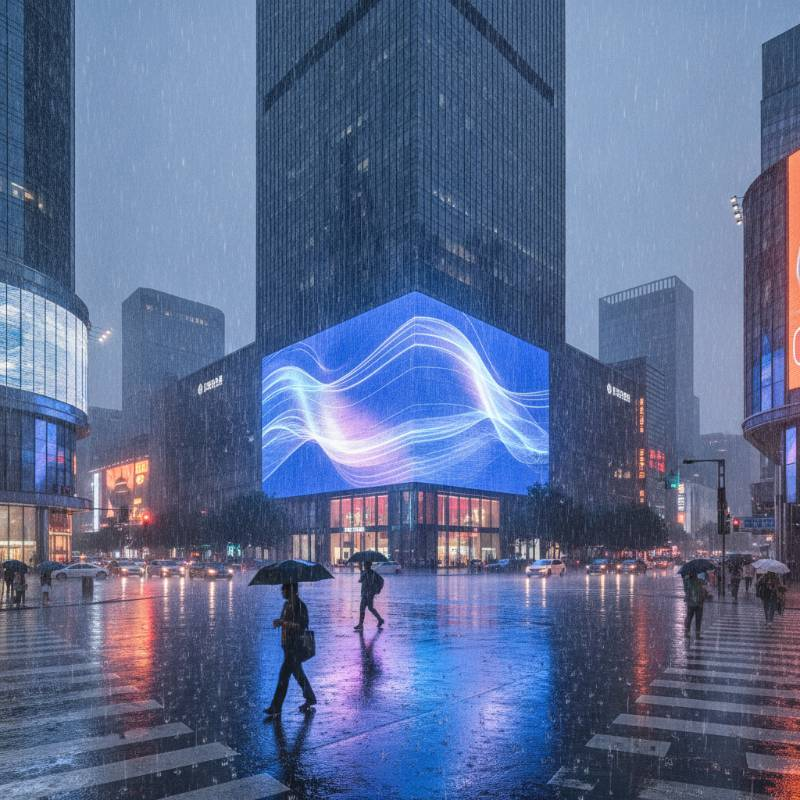
Outdoor digital infrastructure faces a relentless assault from UV radiation, torrential rain, and fluctuating temperatures. To maintain 24/7 uptime, an IP65 outdoor LED screen is no longer an upgrade—it is a baseline requirement for commercial viability.
Reliability in 2026 hinges on adhering to the IEC 60529 International Protection Marking standards. These standards ensure that your investment survives "1-in-100-year" weather events without pixel degradation or internal short-circuiting.
The Physics of Protection: Our Triple-Seal Resilience Protocol
Standard weatherproofing often fails because it relies solely on external gaskets. We utilize a proprietary Triple-Seal Resilience Protocol to ensure deep-level component safety.
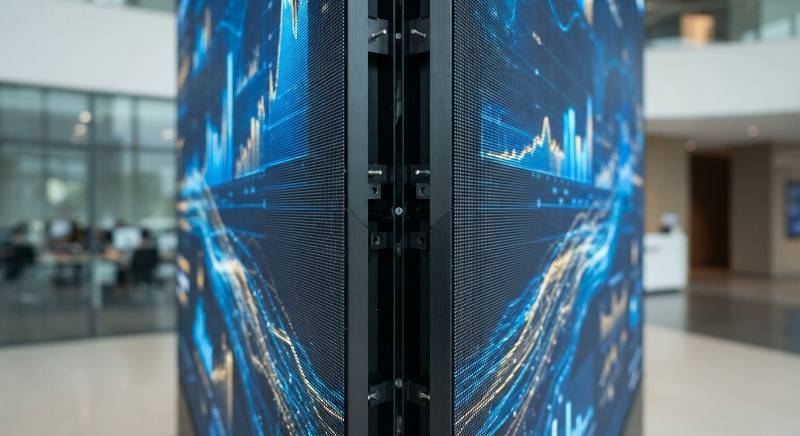
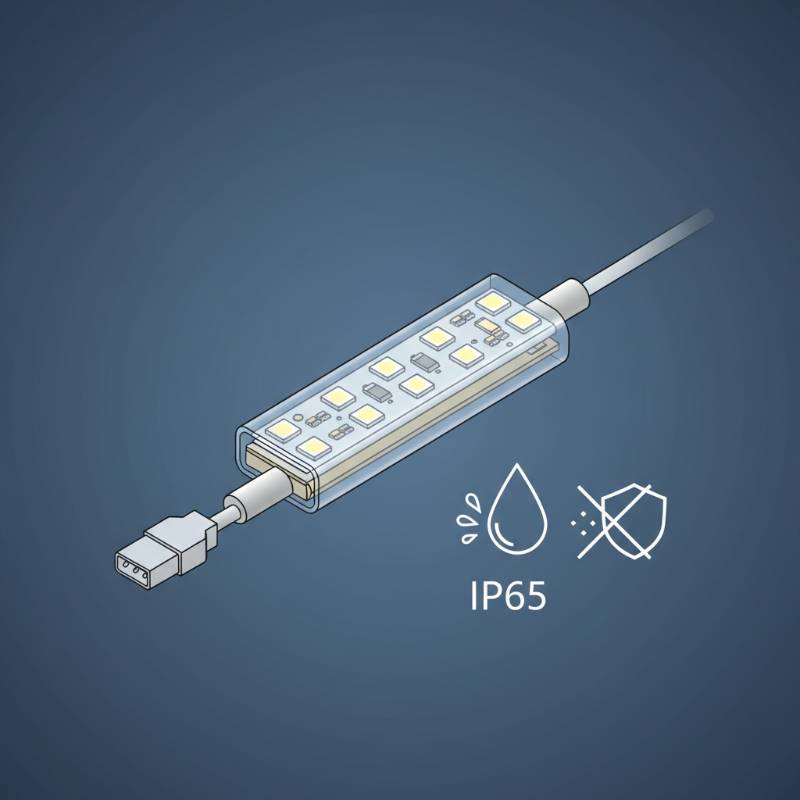
High-performance weatherproof LED video walls utilize three distinct layers of defense. First, full glue potting encapsulates the PCB, preventing moisture from reaching sensitive electronics. Second, independent waterproof modules ensure that if one section is physically damaged, the rest of the display remains operational.
Finally, we employ fully enclosed aviation-grade power and data plugs. This eliminates the vulnerability of traditional cable entries. Combined with a fanless cooling design, this setup prevents dust and salt air from being sucked into the cabinet, significantly extending the energy efficiency ratio of the system.
"Ingress Protection (IP) ratings define the effectiveness of sealing enclosures against intrusion from foreign bodies and moisture. IP65 specifically denotes 'dust-tight' and protection against water jets."
Precision Performance Data: Beyond the IP Rating
While many screens claim to be "outdoor ready," the nuances of extreme weather LED display engineering are found in the data. For coastal or tropical installations, a standard rating is rarely enough.
| Feature | Standard Outdoor | Extreme Climate (2026) |
|---|---|---|
| IP Rating | Front IP65 / Rear IP54 | Dual IP65 (Front & Rear) |
| Temp Range | -10°C to +45°C | -20°C to +60°C |
| Salt Spray Resistance | 48 Hours | 500+ Hours (ASTM B117) |
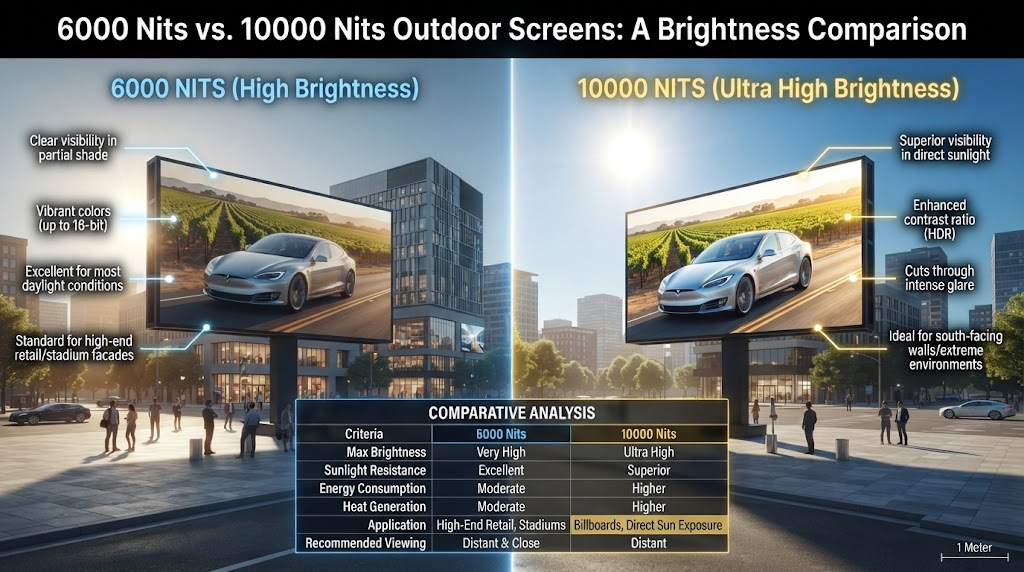
| Brightness (Nit) | 5,000 Nits | 8,500+ Nits |
Our hardware undergoes rigorous immersion testing in third-party laboratories. This ensures that even under high nit brightness levels, the thermal dissipation system maintains a stable internal temperature, preventing pixel pitch distortion.
What Could Go Wrong: Avoiding Structural Failure
Procuring a low-cost outdoor event screen often leads to "hidden" costs. The most common point of failure is galvanic corrosion—where dissimilar metals react in humid environments, weakening the aluminum alloy cabinet.
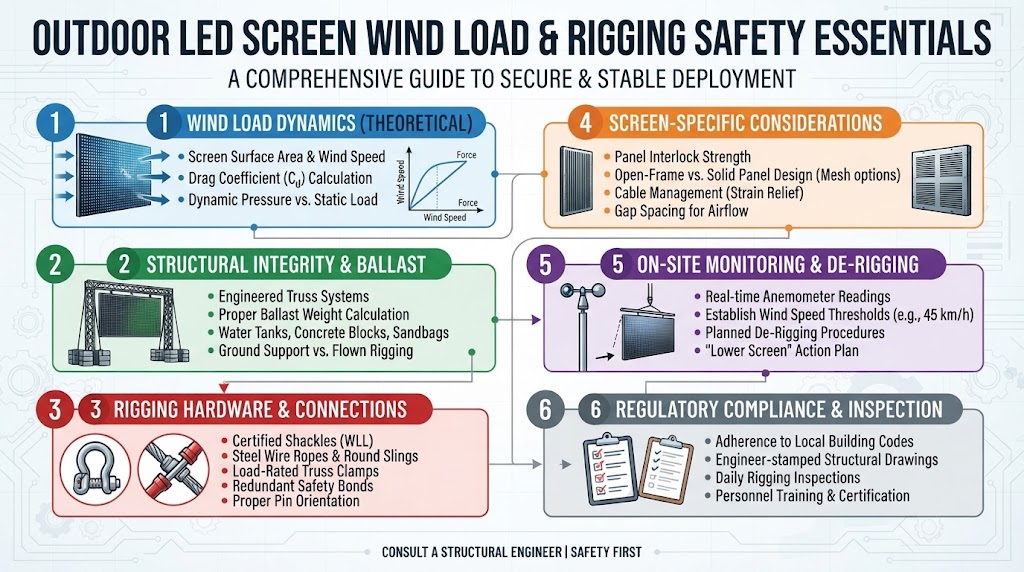
Moisture control is another critical factor. Inferior screens often trap humidity inside the cabinet, leading to "fogging" behind the shaders. Following a proper LED Screen Maintenance Guide is vital, but structural integrity starts at the factory with high wind load ratings and UV resistance coatings.
Sustainability and ESG: The Carbon Footprint of Digital Signage
In 2026, corporate responsibility is as important as technical specs. Every display we deploy includes a carbon footprint report. By utilizing high-efficiency energy-saving LED components, we reduce the total cost of ownership by up to 30%.
Our ISO 14001 compliant manufacturing process emphasizes the circular economy. We use recyclable aluminum and lead-free soldering. Furthermore, our AI-driven brightness adjustment sensors ensure the screen never draws more power than necessary, minimizing light pollution in urban "Smart City" zones.
Strategic Applications: From Stadiums to Smart Cities
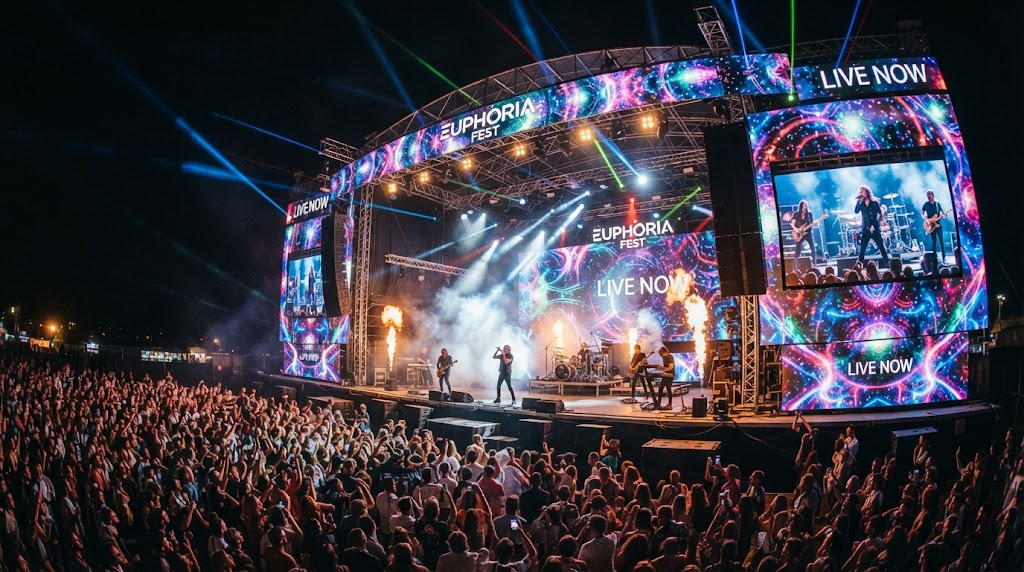
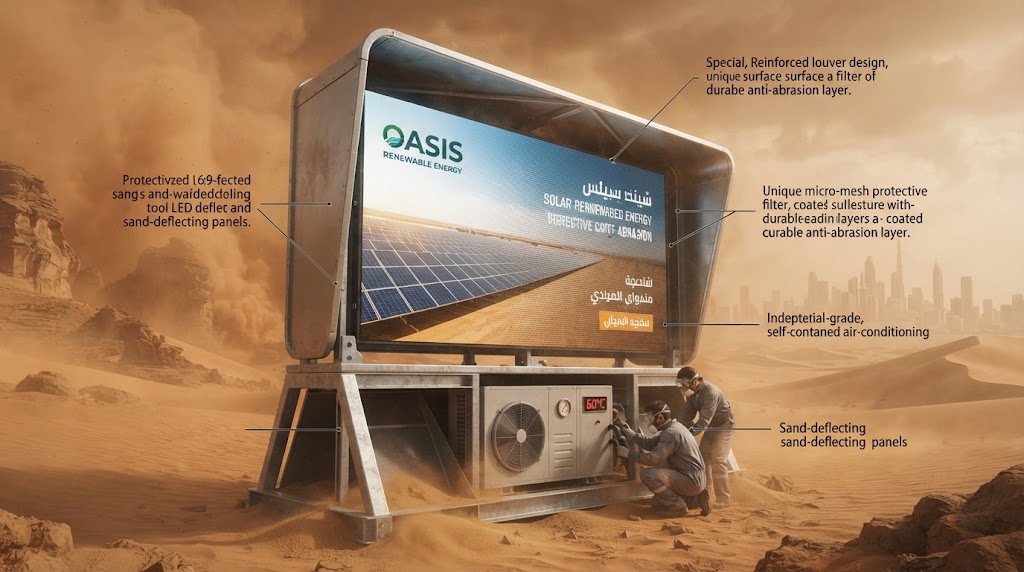
The versatility of IP65 technology has revolutionized DOOH Advertising Technology. From stadium LED screens that endure high-pressure cleaning to smart city digital kiosks in the desert, the hardware must be bulletproof.
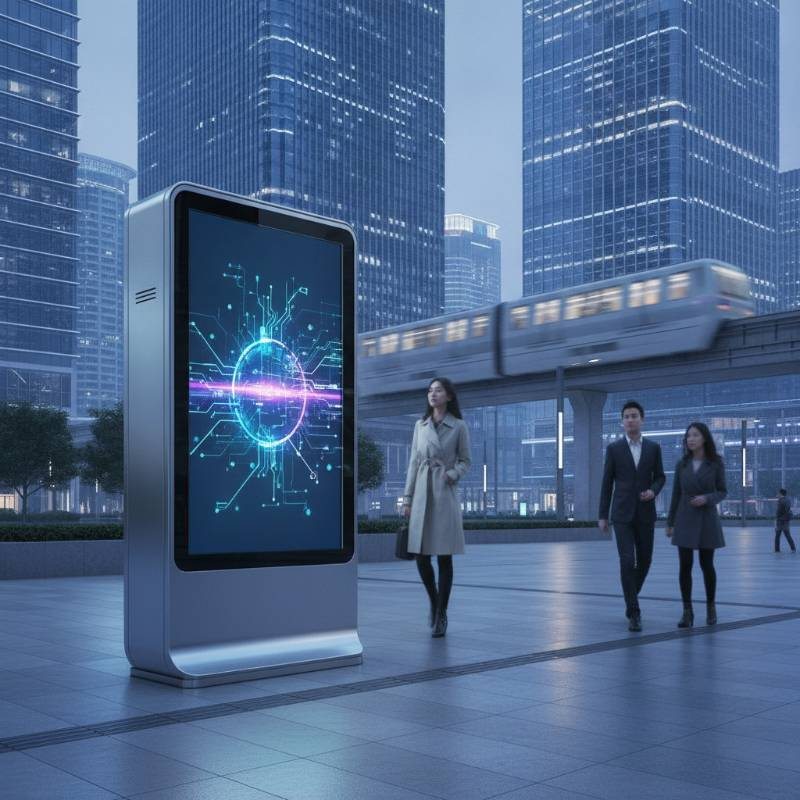
Integrating DOOH software allows for real-time content optimization based on weather conditions. For example, screens can automatically increase contrast ratios during high-glare afternoons or switch to emergency alerts during severe storms.
Expert Perspective: Engineering for Meteorological Extremes
"The primary enemy of outdoor LEDs isn't just water; it's the cycle of thermal expansion. In extreme climates, the difference between daytime heat and nighttime cooling can cause micro-fractures in solder joints. A true IP65 screen must account for this with flexible potting compounds."
— Marcus Thorne, Meteorological Environment Testing Engineer
Ready to protect your infrastructure? Download our Extreme Weather Emergency Response Plan and product specifications to ensure your next project is built to last.
Frequently Asked Questions About Outdoor LED Reliability
What is the difference between IP65 and IP67?
IP65 is designed for water jets and heavy rain, which is standard for most outdoor LED display solutions. IP67 allows for temporary immersion in water. While IP67 offers more protection, it is often unnecessary and significantly more expensive for vertical signage.
Can IP65 screens have front service access?
Yes. Modern front service access designs use vacuum-sealed tools to maintain the IP65 integrity while allowing modules to be swapped from the front, which is ideal for wall-mounted displays.
Are these screens TAA compliant?
We offer a range of TAA compliant LED solutions specifically for government and high-security projects, ensuring all components meet strict sourcing regulations.
Ready for an Unstoppable Display?
Get a custom quote and a detailed LED screen cost estimator report for your extreme weather project today.
Contact Our EngineersReferences:
1. International Electrotechnical Commission. IEC 60529: Degrees of protection provided by enclosures.
2. ASTM International. Standard Practice for Operating Salt Spray (Fog) Apparatus.