
Transparent LED Screens for Trade Shows: The 2026 Evolution
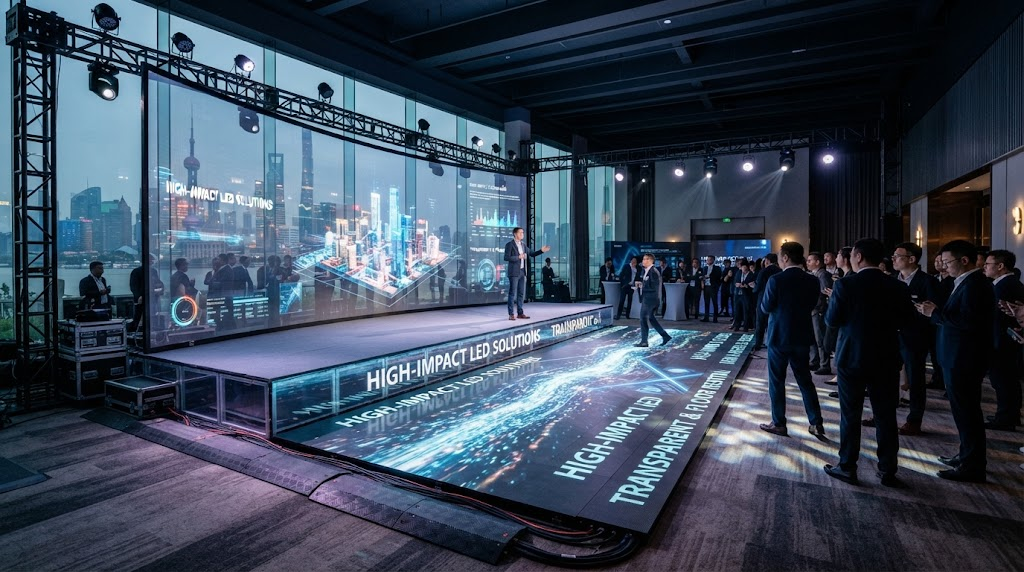
The trade show floor in 2026 is no longer a sea of static banners. It is a high-stakes arena of visual engagement where attention is the primary currency. High-brightness LED technology has moved beyond the "black box" video wall.
Today, transparent LED screens for trade show booths are the gold standard for brands that refuse to choose between an open booth layout and high-impact digital signage. These displays allow light and sightlines to pass through, creating an inviting environment that pulls visitors in rather than blocking them out.
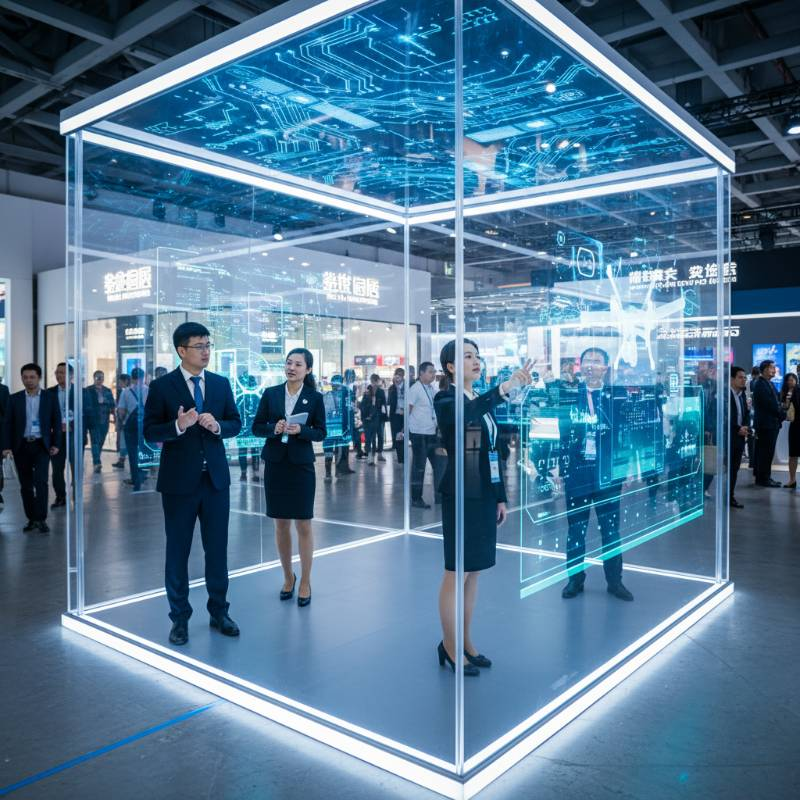
At LEDWallScreen.com, we have observed a massive shift toward "see-through" storytelling. This technology effectively turns your booth's glass perimeter into a dynamic canvas, blending the physical and digital worlds seamlessly.
What is an Exhibition LED Screen and Why Use Transparency?
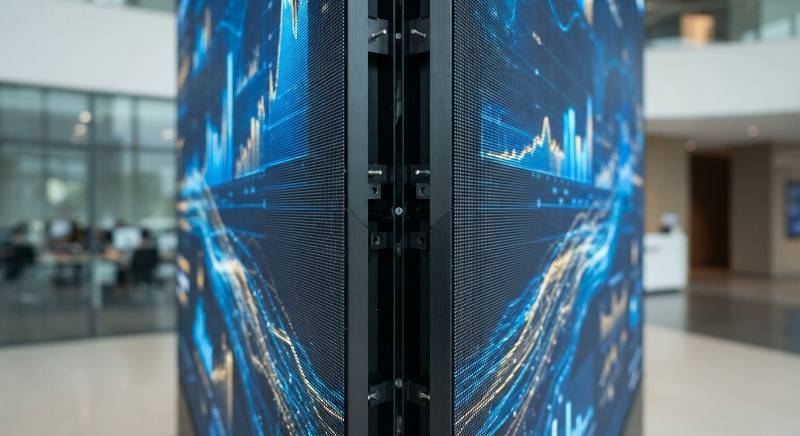
A transparent exhibition LED screen uses a side-emitting LED structure or a specialized grid to maintain high transparency (usually 65% to 85%) while displaying vibrant, high-definition content. Unlike traditional OLED transparent displays, which are often limited in size, LED-based transparency can scale to cover entire booth facades.
Transparent LED technology works by omitting the heavy substrate found in standard screens. This allows the display to remain nearly invisible when not in use, only appearing when pixels are illuminated. This "ghosting" effect is what makes it the preferred tool for modern Custom Exhibition Booth Design.
"Transparency is the bridge between physical product reality and digital storytelling. It allows the visitor to experience the tangible product while the digital layer explains the 'why' behind the innovation."— Marcus Thorne, Senior Exhibition Designer
The 3D-Depth Booth Protocol: Merging Physical and Virtual Reality
We define the 3D-Depth Booth Protocol as a three-step framework for integrating augmented reality displays without the need for visitor-worn glasses. This methodology focuses on the "Physical + Virtual" alignment to maximize ROI.
Step 1: The Physical Core. Place your hero product (e.g., a new electric vehicle engine or a luxury watch) exactly 12-24 inches behind the transparent screen.
Step 2: The Digital Overlay. Sync digital content—such as exploded views, energy flow animations, or UI elements—to "lock" onto the physical product.
Step 3: Perspective Alignment. Utilize content that mimics the parallax effect, ensuring the digital elements appear to wrap around the physical object as the viewer moves.
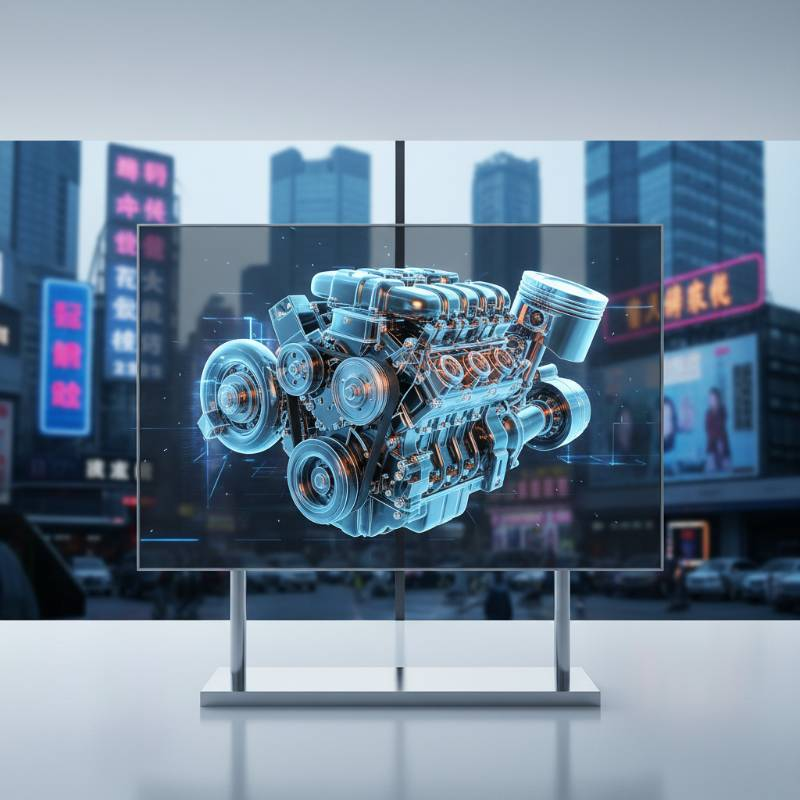
This approach transforms a standard exhibit into an interactive trade show exhibit. By using LED Display Rental Services, brands can deploy this high-end tech for short-term events without the capital expenditure of a full purchase.
Mastering Holographic Effects: Alpha Channels and Black Backgrounds
To achieve a true holographic transparent LED effect, your content production must follow strict technical rules. Based on our data, the most common mistake is using light-colored backgrounds which destroy the transparency effect.
The "Zero-Black" Rule: For an LED to appear transparent, it must be "off." In the digital world, this means your video background must be pure black (RGB: 0, 0, 0). Anything lighter than this will cause the screen's LEDs to glow, creating a "foggy" appearance that obscures the product behind it.
When exporting video assets, use Alpha channels. This ensures that only the intended 3D assets are rendered, while the rest of the frame remains data-empty. This is crucial for creating "floating" effects that seem to hover in mid-air within your booth.
Global Design Trends: Lessons from CES, ISE, and MWC
Data from MWC 2026 and ISE 2026 indicate that 3D transparent display booths saw a 35% higher lead capture rate compared to traditional backlit booths. Major tech giants are moving toward "Invisible Infrastructure," where the tech only reveals itself during a presentation.
| Technology Type | Avg. Dwell Time | Brand Recall Score |
|---|---|---|
| Standard LED Wall | 2.4 Minutes | 62% |
| Transparent LED (3D) | 5.8 Minutes | 89% |
These statistics, cited from industry reports at ISE and CES, highlight the effectiveness of visual merchandising that prioritizes depth over flat imagery.
Technical Specs for Maximum Impact: Pitch, Brightness, and Angles
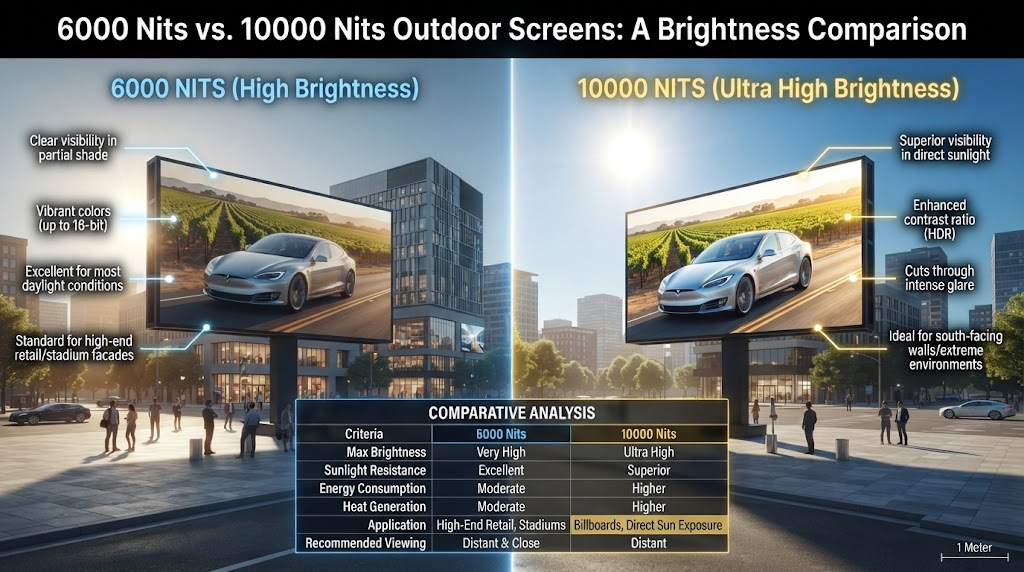
Choosing the right hardware is a balance of viewing distance and ambient light. In a brightly lit hall, high-brightness LED modules are non-negotiable. You need at least 3,500 to 5,000 nits to compete with overhead exhibition lighting.
Viewing Angle: To capture the maximum flow of people from the main aisles, your screen must have a viewing angle exceeding 140°. Narrower angles will cause the content to "disappear" or color-shift for visitors approaching from the side.
Pixel Pitch Selection:
P2.8: Ideal for close-up viewing (3-5 feet). Best for small product showcases.
P3.9: The industry standard for booth facades and large-scale walls.
P7.8: Best for high-transparency needs where the screen is viewed from 20+ feet away.
Logistics and Setup: Ensuring a Seamless Experience
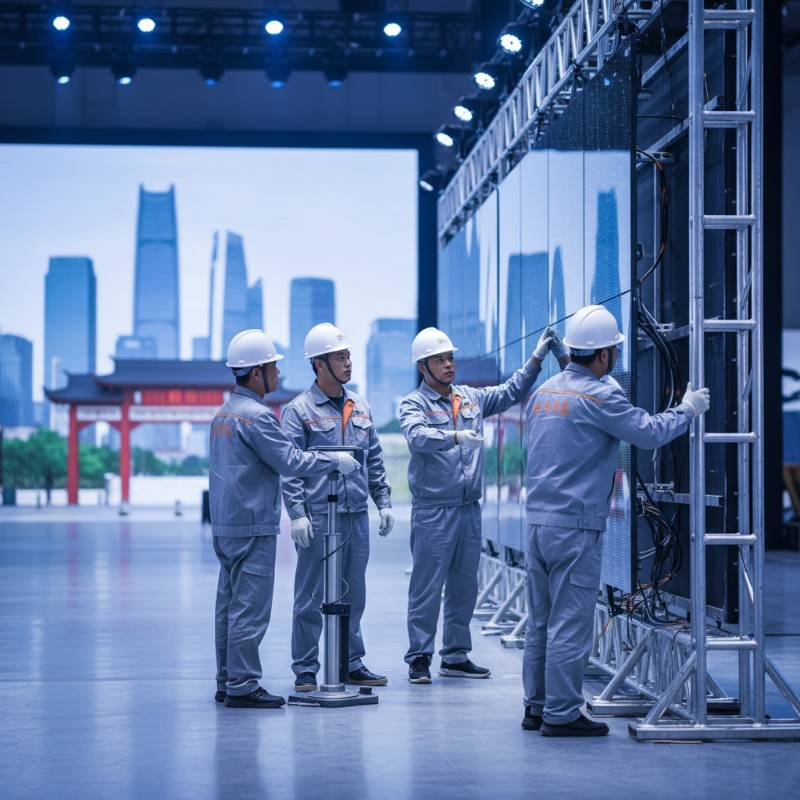
Exhibition timelines are tight. One of the primary benefits of modern transparent LED systems is their lightweight, modular design. They are significantly easier to rig than heavy traditional panels, reducing labor costs and setup time.
Furthermore, these screens offer notable sustainability benefits. They consume up to 30% less power than standard video walls because the "black" pixels are simply turned off. This lower power draw means fewer cables and a smaller carbon footprint—a key metric for corporate responsibility in 2026.
Request Content Creation Guide for Transparent LED
Ready to master the "floating" 3D effect? Download our 2026 technical guide for designers, featuring resolution mapping templates and Alpha channel export settings.
Unlock the secrets to 100% transparency and maximum ROI.
Get the Technical Guide NowFrequently Asked Questions
How much does a transparent LED cost for a 3-day show?
Rental costs typically vary based on pixel pitch and total square footage. For a standard 10ft x 10ft booth section, expect to invest in a range that covers high-end logistics and content calibration. Contact our team for a custom quote.
Can people see through the screen from both sides?
Yes. While the content is primarily visible from the front, the physical structure of the screen allows light to pass through from both directions, maintaining the open feel of your booth architecture.
What is the best pixel pitch for a 10x10 booth?
For a standard 10x10 booth where visitors are standing 3 to 6 feet away, a P2.8 or P3.9 pixel pitch is recommended to ensure image clarity without visible "screen door" effects.