
The Strategic Advantage of Sourcing Indoor Rental LED Screens from Shenzhen
Shenzhen remains the undisputed global epicenter for LED technology. For event production companies looking to buy indoor rental LED display systems in 2026, this city offers an unparalleled ecosystem of innovation. By sourcing directly from a Shenzhen LED screen manufacturer, you bypass middleman markups and gain direct access to the latest R&D in fine pixel pitch and rapid-deployment hardware.
Choosing an OEM LED screen China partner allows for deep customization. Whether you require specific cabinet dimensions or specialized refresh rates for high-speed broadcast environments, the Shenzhen supply chain provides the agility needed for modern stage design. At Guanhong Display, we see this ecosystem as the foundation of our ability to deliver Tier-1 quality at competitive scales.
The Core Supply Chain: Understanding LEDs and Driver ICs
Successful sourcing involves validating the "Golden Triangle" of components—Nationstar LEDs, Macroblock driver ICs, and NovaStar control systems—while verifying factory capacity and aging protocols to ensure 2026 event standards are met. This technical foundation separates professional-grade gear from entry-level hardware that fails under the rigors of rental use.
The performance of your Rental LED Screen Series depends heavily on the lamp brand. We recommend Nationstar LEDs for high-end indoor rentals due to their superior encapsulation and color uniformity. While Kinglight offers a cost-effective alternative for budget-conscious projects, Nationstar remains the benchmark for 2026 broadcast-quality displays.
The driver IC is the brain of your module. Using a Macroblock driver IC (such as the MBI5264) ensures high grayscale at low brightness and refresh rates exceeding 3,840Hz. This prevents "scan lines" when the screen is filmed by professional cameras. In contrast, lower-tier ICN2153 refresh rate solutions may suffice for simple signage but often struggle with the high-dynamic-range (HDR) requirements of modern corporate events.
The Guanhong "5-Tier Factory Verification Protocol"
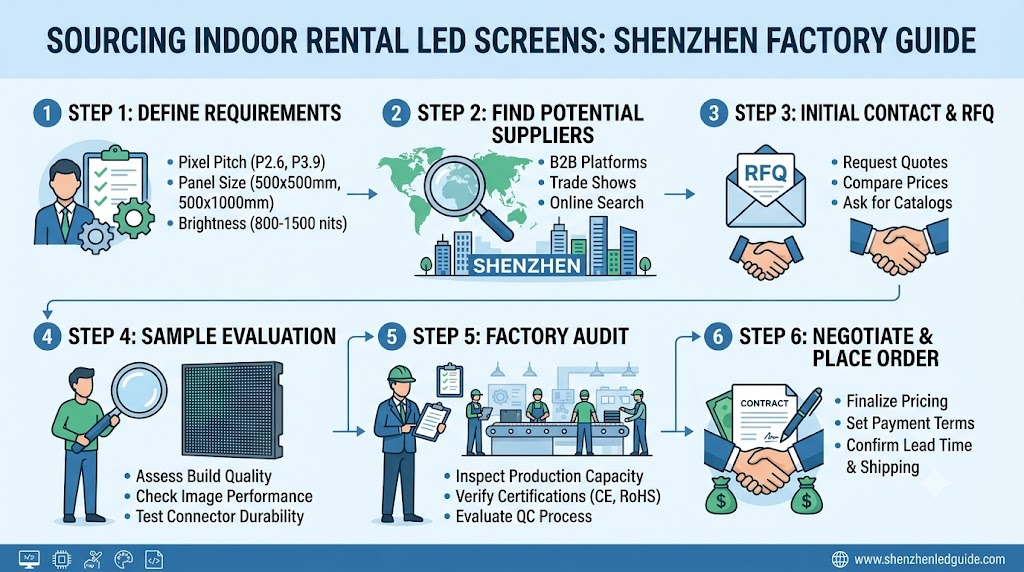
To navigate the thousands of suppliers in China, we developed a proprietary methodology for auditing an indoor LED screen factory. We call this the Domain 3-Step Velocity Framework, focusing on Compliance, Capacity, and Consistency. Before signing a contract, every professional buyer should demand the following:
SGS Field Inspection: Do not rely on digital brochures. Request a recent SGS factory report to verify the physical existence and scale of the facility.
Certifications: Verify ISO14001 certification for environmental management and ISO9001 for quality control.
Annual Capacity: A reliable partner should demonstrate an annual production capacity of at least 10,000 square meters.
"Reliability in the rental market isn't about the first show; it's about the fiftieth. If a factory cannot show you their 120-hour aging log, they aren't selling you a rental product—they're selling you a liability."
— Li Wei, Chief Engineer at Guanhong Display
Technical Benchmarks: Aging Tests and Quality Assurance
In the world of Indoor LED Display Solutions, the 72-hour aging test is the bare minimum. At Guanhong, we push this to a 120-hour cycle, including a 24-hour continuous white screen aging test at maximum brightness. This process forces "infant mortality" failures in LEDs and solder joints to happen in the factory, not at your client's venue.
During your audit, check the dead pixel ratio records. A top-tier factory should maintain a ratio of less than 0.0001 before shipping. Furthermore, ensure the factory uses automated optical inspection (AOI) to catch SMD technology defects that the human eye might miss during rapid production cycles.
Optimizing Rental ROI: Setup Efficiency and Cabinet Materials
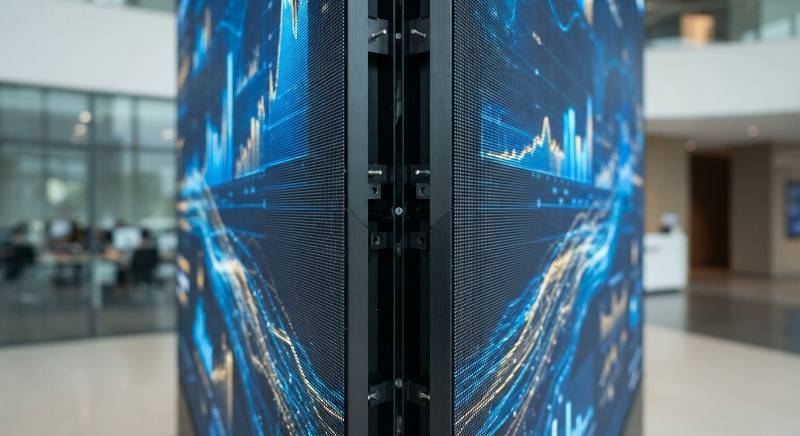
Your return on investment is determined by how quickly your crew can strike and set the wall. A die-cast aluminum cabinet is the industry standard for 2026, offering a perfect balance between structural rigidity and weight. These cabinets prevent warping over time, ensuring seamless splicing even after hundreds of uses.
Look for a fast-lock system that supports one-man installation. Reducing the rental LED weight to under 7kg per cabinet can slash your on-site labor costs by 30%. Additionally, ensure the design features front-access maintenance, allowing modules to be swapped in seconds without dismantling the entire screen structure.
Calculating Total Cost of Ownership (TCO) for LED Walls
The sticker price is only a fraction of the LED screen TCO. When sourcing from Shenzhen, factor in the following 2026 cost variables:
| Cost Component | Typical Percentage | Key Consideration |
|---|---|---|
| LED Hardware | 65-70% | Pixel pitch and LED brand choice. |
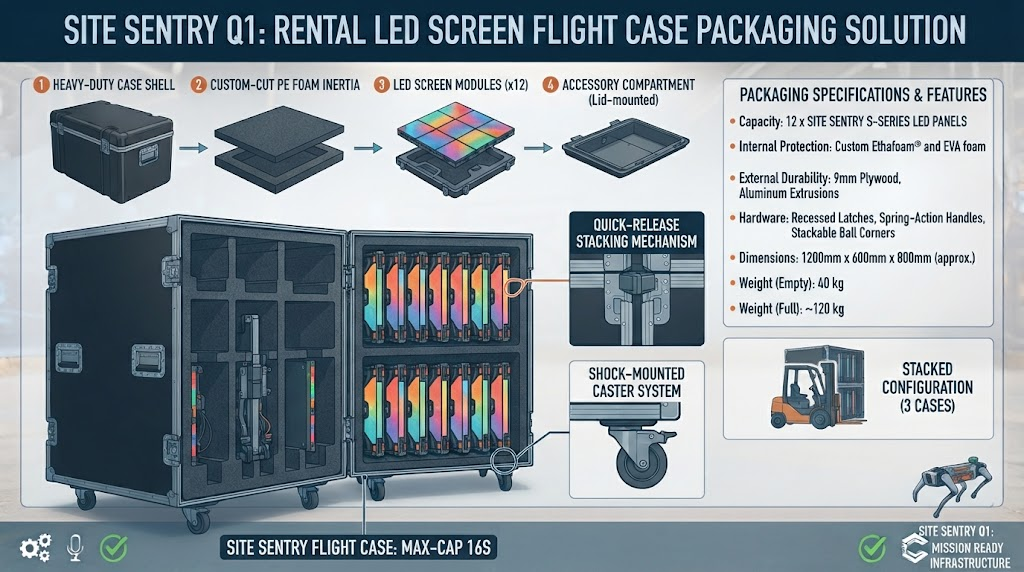
| Flight Cases & Cables | 8-10% | Shock-absorption quality for transit. |
| Shipping & Logistics | 10-15% | Air vs. Sea freight volatility. |
| Spare Parts Buffer | 3-5% | Essential for immediate on-site repairs. |
Don't overlook customs clearance China documentation. Working with a manufacturer that understands international HS codes for LED displays can prevent costly delays and unexpected duties at the port of entry.
Logistics and Global After-Sales Support Networks
Even the best hardware requires LED Screen Technical Support. When negotiating with a Shenzhen factory, clarify their global after-sales service policy. Do they have local repair centers in your region, or must modules be shipped back to China?
A professional LED screen spare parts package should include at least 5% extra modules, power supplies, and receiving cards. This ensures that even if a component fails during a high-stakes event, your production continues uninterrupted. At Guanhong, we provide 24/7 remote diagnostic support to assist your technicians in real-time, regardless of your time zone.
Frequently Asked Questions About Sourcing from Shenzhen
What is the typical LED screen lead time in 2026?
For standard rental products, expect a lead time of 15-25 days. Customized OEM projects may require 30-45 days depending on the complexity of the cabinet design and component availability.
Which pixel pitch is best for indoor rental?
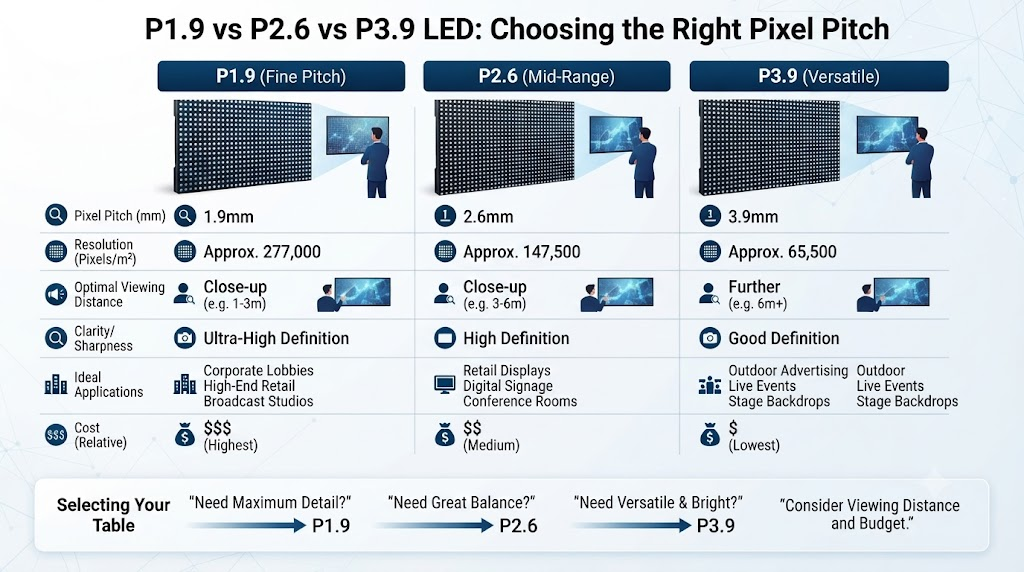
For most corporate stages and trade shows, P2.6 and P2.9 are the current 2026 industry standards. They provide excellent clarity for viewing distances as close as 2.5 meters while remaining cost-effective for large-scale walls.
What are the standard payment terms for China factories?
The industry standard is a 30% deposit via T/T to begin production, with the remaining 70% balance paid after a successful video inspection or third-party factory audit, prior to shipment.
Ready to Upgrade Your Rental Inventory?
Partner with Guanhong Display for factory-direct access to the most reliable indoor rental LED technology in Shenzhen. Experience the difference that precision engineering and 120-hour aging protocols make for your next event.
Get a Professional Quote Now