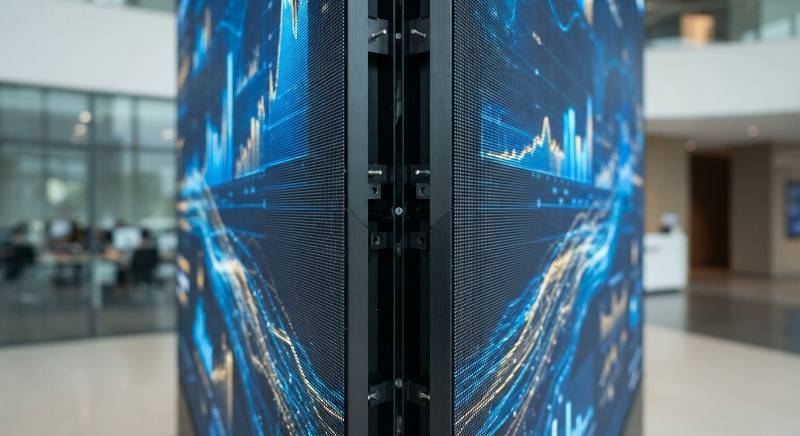
Flexible LED screen engineering represents the pinnacle of modern display technology. It merges structural mechanics with high-definition visual output. For AV integrators and architects, the challenge is no longer just about making a screen bend. It is about ensuring long-term reliability in high-traffic immersive retail environments.
"Flexible LED screen engineering is defined as the specialized discipline of designing, mounting, and maintaining non-rigid diode matrices to achieve seamless curvature while preserving pixel geometry and thermal stability."
The 2026 Landscape: Market Growth and Engineering Standards
The demand for organic, fluid digital surfaces has surged. According to recent market analysis from Statista, the sector is experiencing a CAGR of 28% as we head through 2026. This growth isn't just about volume; it is about sophistication.
At GUANGHONG DISPLAY, we emphasize that engineering excellence starts with compliance. Modern deployments in the US and EU markets mandate strict adherence to CE/RoHS standards. For outdoor or high-humidity indoor applications, IP65 certification is the baseline for protecting internal circuitry against particulate and moisture ingress.
Structural Integrity: Managing Module Warping and Thermal Expansion
Module warping is the nemesis of high-end installations. It occurs when the flexible substrate and the supporting frame expand at different rates. This physical stress leads to "popping" modules or visible seams that ruin the pixel pitch consistency.
Preventing Deformity through Substrate Selection
Substrate material selection is critical. We utilize reinforced silicone with high-tensile internal mesh. This prevents "creep"—the permanent stretching of the module over time. Proper adhesive and bonding techniques ensure that the module remains flush against the mounting structure despite temperature fluctuations.
| Material Type | Flexibility Radius | Thermal Stability |
|---|---|---|
| Standard Rubber | Moderate | Low (High Expansion) |
| Reinforced Silicone | High | Excellent |
| Carbon-Fiber Backing | Structural Only | Superior |
The Flex-Sync Precision Protocol: Our Proprietary Alignment Framework
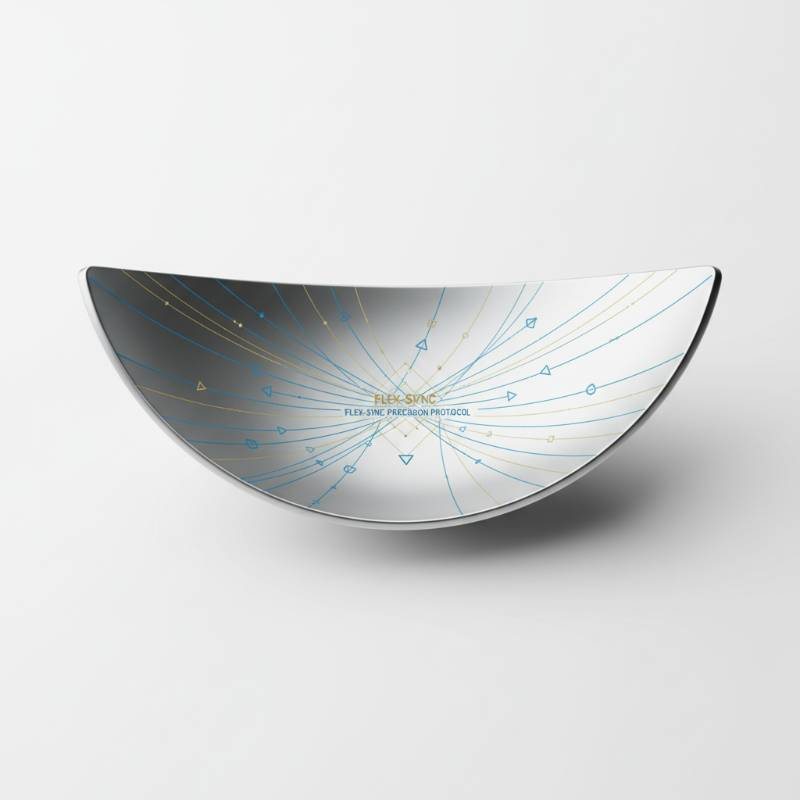
To solve the "warped curve" problem, we have pioneered the Flex-Sync Precision Protocol. This is our golden rule for any flexible LED panels installation. It moves beyond simple magnetic mounting to a data-driven alignment process.
Laser-Guided Radius Mapping: Before a single module is placed, we use AR-based placement tools to map the exact curvature of the substrate.
Tension-Balanced Fastening: Modules are secured using a staggered pattern to distribute mechanical stress evenly across the frame.
Pixel-Mapping Authentication: Post-installation, we run a diagnostic to ensure the geometric distance between LEDs on adjacent modules is identical to those within a single module.
Signal Integrity and Power Distribution in Curved Architectures
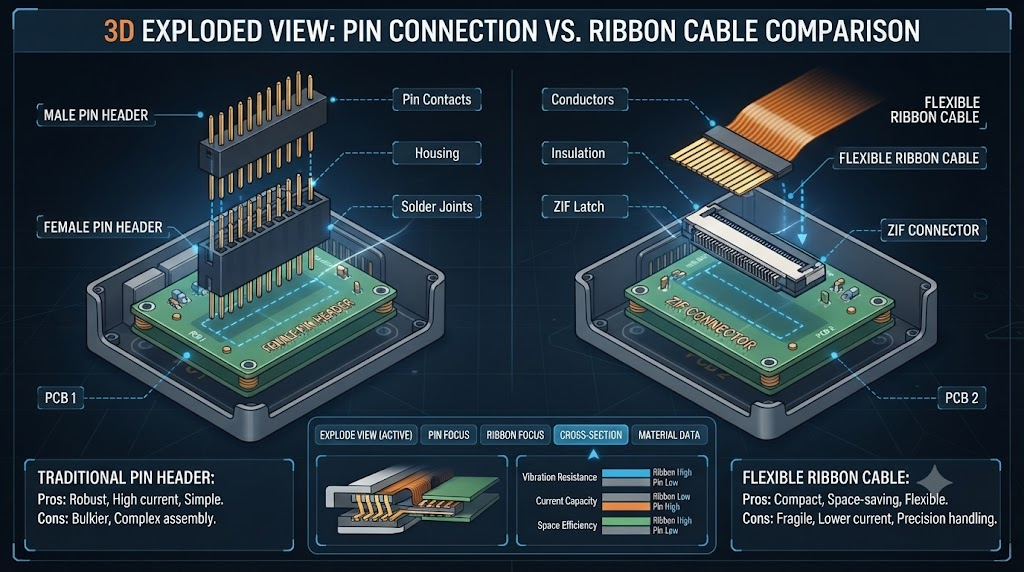
In a flat screen, signal paths are predictable. In curved flexible LED screen engineering, the PCB is under constant stress. This can lead to micro-cracks in traces. We mitigate this using multi-layer FPC (Flexible Printed Circuits) with redundant data paths.
Heat dissipation is another hurdle. Traditional fans don't work well in custom, tight-fitting enclosures. We utilize passive cooling through the aluminum structure. This ensures that the center of a convex curve doesn't become a heat trap, which would otherwise accelerate diode degradation.
Engineering for AI-Driven Generative Content and Anamorphic 3D Illusions
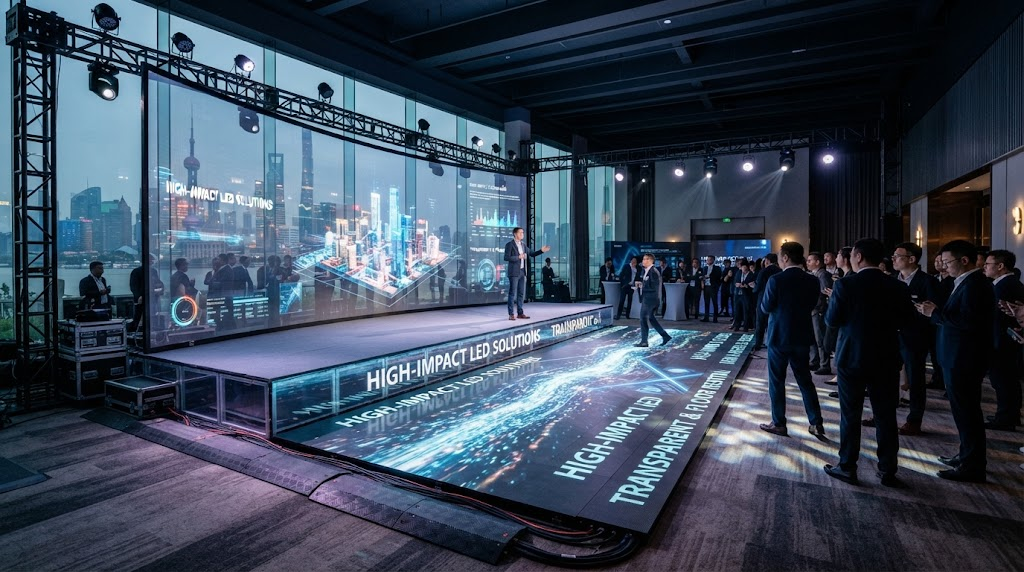
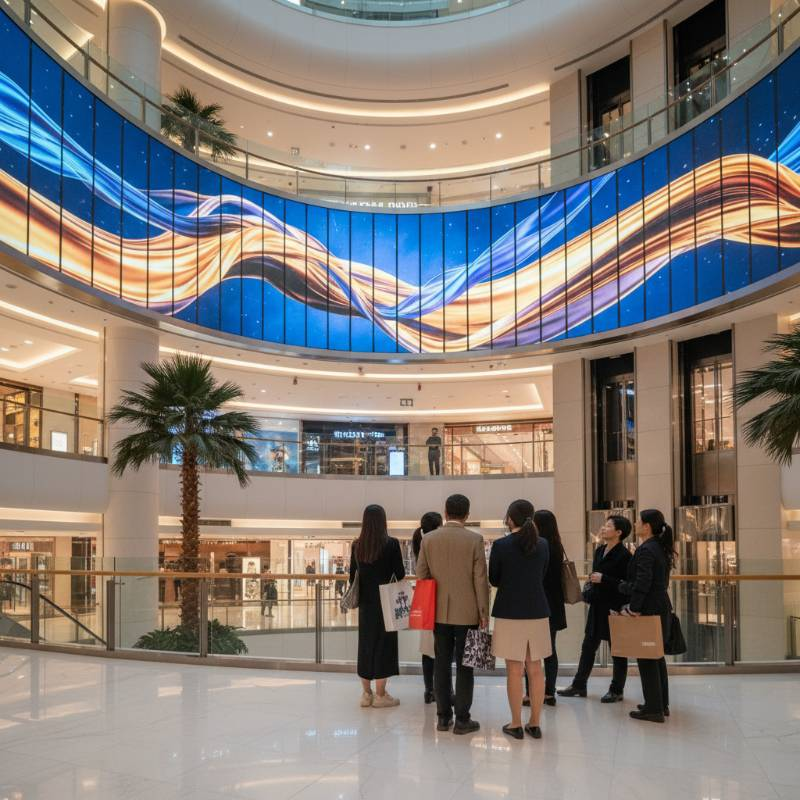
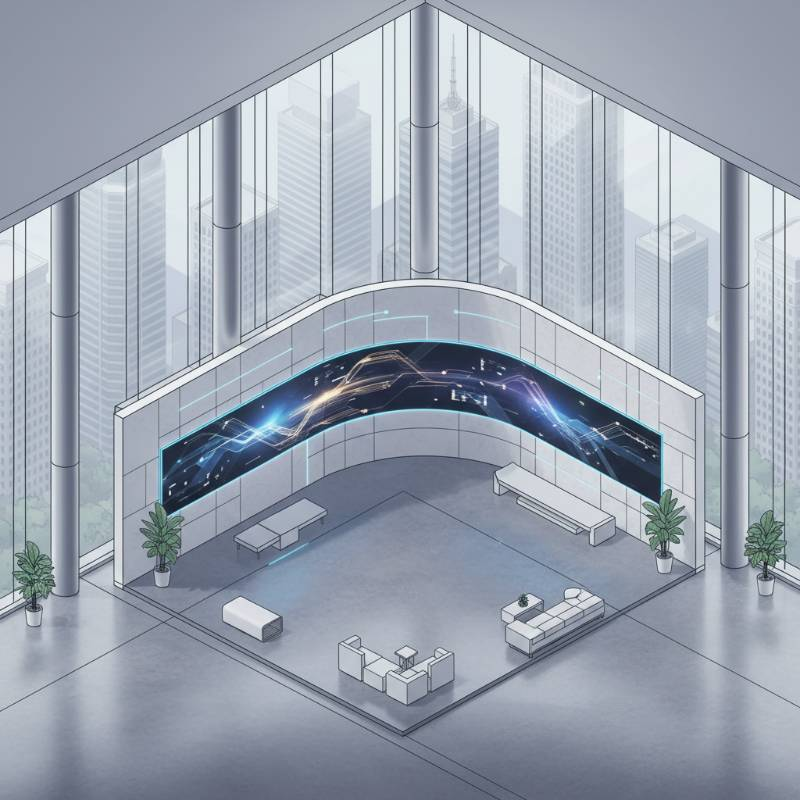
By 2026, content is no longer static. It is generative and often interactive. Engineering a screen for anamorphic 3D illusions requires precise viewing angle optimization. If the curvature radius is too tight, the 3D effect collapses for the viewer.
We work with content creators to ensure the hardware supports the math. This involves calculating the "sweet spot" based on the floor plan and the screen's bend. Every LED wall solutions project must account for these curvature radius limitations during the pre-visualization phase.
Sustainability and Green Engineering: BIM Integration and TCO
Modern engineering isn't just about the "wow" factor. It's about the Total Cost of Ownership (TCO). We integrate BIM files and CAD drawings early in the design cycle. This allows architects to calculate energy loads and structural requirements before construction begins.
Green engineering metrics are now standard. By using high-efficiency drivers, we reduce power consumption by up to 30% compared to 2022 models. This isn't just good for the planet; it reduces heat, which extends the LED screen lifespan.
Frequently Asked Questions about Flexible LED Engineering
What is the minimum bend radius for a flexible LED module?
Typical high-quality modules can achieve a radius of 250mm. However, the exact limit depends on the pixel pitch. Finer pitches generally require a larger radius to prevent component stress.
How do you perform maintenance on a curved LED wall?
We utilize front-serviceable flexible modules. Using a vacuum suction tool, individual modules can be removed from the front without dismantling the entire structure. This is essential for retail environments where downtime is costly.
Can module warping be fixed after installation?
Prevention is easier than the cure. If warping occurs, it usually requires re-leveling the mounting frame or replacing the adhesive. Following the Flex-Sync Precision Protocol during initial setup virtually eliminates this risk.