
What is Digital Poster ROI? Defining the Value of Dynamic Displays
Digital Poster ROI is the measurable financial and brand equity return generated by transitioning from static signage to dynamic LED displays. This calculation factors in direct sales lifts, reduced recurring costs, and the 68% surge in audience engagement seen in 2026 marketing data.
"We define Digital Poster ROI as the aggregate of cost-avoidance (printing/labor) plus the incremental revenue generated by high-frequency, motion-based visual triggers."
Static banners are passive. They fade into the background. In contrast, high-performance LED posters use active light emission to break through visual clutter.
Beyond the Screen: The Total Cost of Ownership (TCO) Breakdown
Calculating ROI requires looking past the sticker price. You must evaluate the Total Cost of Ownership (TCO) over a five-year horizon.
While a roll-up banner costs less upfront, the hidden expenses of shipping, disposal, and manual labor add up. Digital solutions eliminate these recurring friction points.
| Expense Category | Static Roll-Up Banners | Digital LED Posters |
|---|---|---|
| Initial Hardware | Low ($150 - $300) | Moderate ($1,500 - $3,500) |
| Content Updates | High (Reprinting & Shipping) | Near-Zero (Cloud Upload) |
| Installation Labor | Manual & Repetitive | One-time Setup |
| Engagement Rate | Declines over time | High (Dynamic Content) |
Our internal data suggests that businesses utilizing modular LED posters reach a break-even point within 14 months. After this window, the cost per impression drops significantly compared to traditional media.
The 'Green-Growth' Protocol: Our Proprietary Sustainability ROI Framework
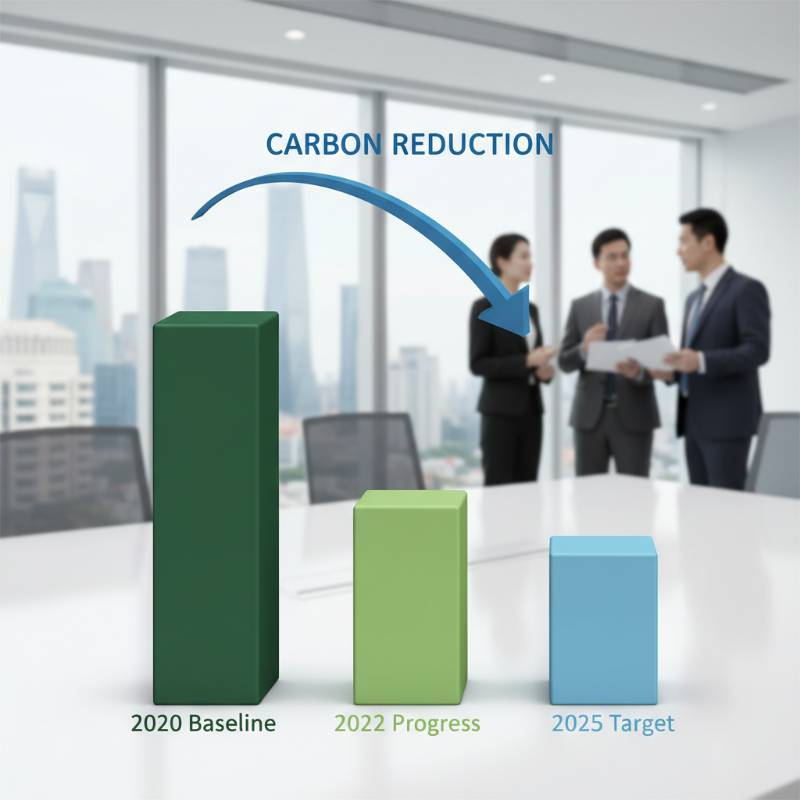
In 2026, ROI isn't just about cash—it’s about carbon. We developed the Green-Growth Protocol to help firms quantify the ESG (Environmental, Social, and Governance) impact of their displays.
This three-step framework tracks the transition from physical waste to digital efficiency:
Phase 1: Waste Audit – Quantifying the tons of vinyl and PVC sent to landfills by static banner campaigns.
Phase 2: Energy Optimization – Deploying smart-sensor LEDs that adjust brightness based on ambient light, reducing power draw by 40%.
Phase 3: Carbon Offset Integration – Mapping energy savings directly to corporate sustainability reports.
According to environmental impact studies, a single digital poster can replace up to 50 physical banners over its lifespan. This is a critical metric for modern digital signage solutions aimed at global markets.
Industry-Specific Metrics: Tailoring ROI for Retail, Corporate, and Events
ROI looks different depending on your sector. A retail store measures "dwell time," while a corporate office measures "information retention."
Retail & Luxury Goods
In retail, the primary KPI is the "conversion lift." High-definition posters near point-of-sale areas drive impulse purchases. Recent Nielsen research indicates that digital out-of-home (DOOH) advertising increases brand recall by 47%.
Corporate Communications
Efficiency is the metric here. How quickly can a safety alert or company update reach 1,000 employees? Digital posters reduce "email fatigue" and ensure 100% visibility in high-traffic zones like lobbies and breakrooms.
Predictive ROI: Using Foot Traffic and AI to Forecast Performance
We are moving past "set it and forget it" marketing. By 2026, predictive ROI tools have become standard. By integrating AI-driven computer vision with your posters, you can see exactly how many people looked at the screen and for how long.
This data allows for real-time A/B testing. If an ad isn't performing by 10:00 AM, the content management system can automatically swap it for a higher-converting creative. This agility is the "secret sauce" of modern Digital Poster ROI.
Hardware and Software: Choosing Tech That Drives Revenue
Not all screens are created equal. Poor hardware actually hurts ROI by creating a "cheap" brand perception or failing in bright sunlight.
To maximize your return, prioritize these technical specs:
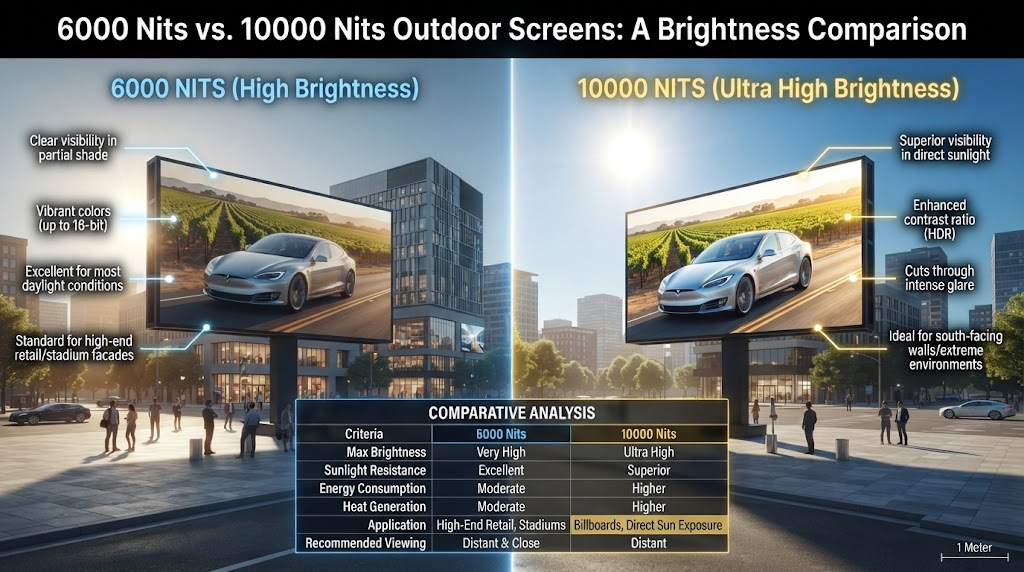
Nits (Brightness): Indoor posters need at least 800–1000 nits, while window-facing displays require 3500+ nits to fight glare.
Refresh Rate: A 3840Hz refresh rate ensures flicker-free performance on smartphone cameras—essential for "Instagrammable" moments.
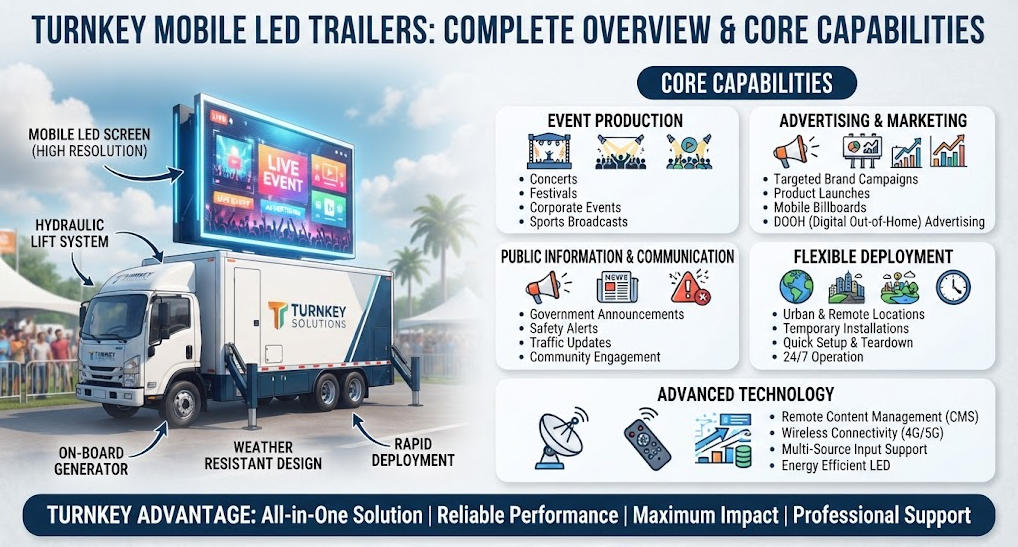
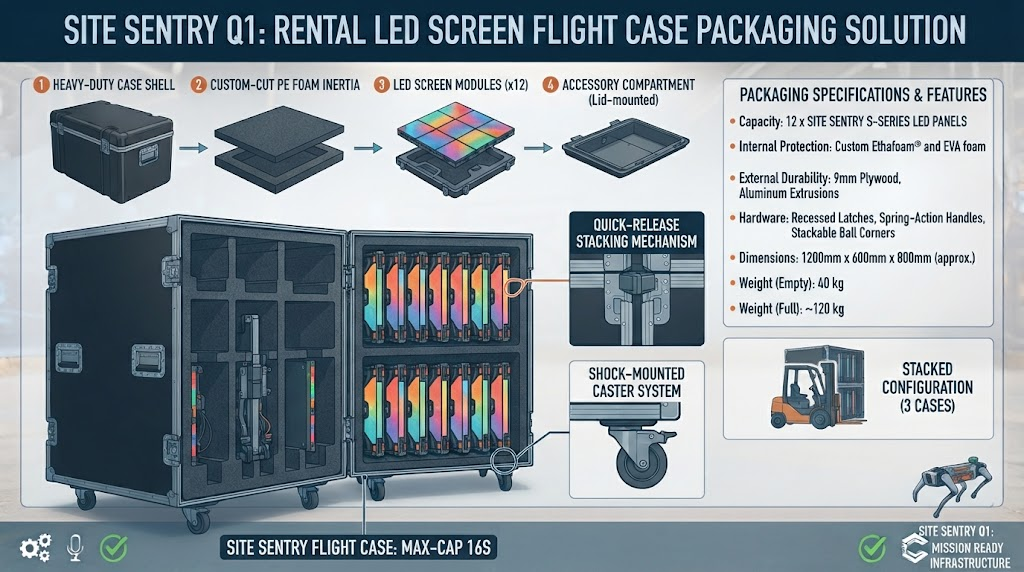
Portability: Lightweight, wheeled designs allow you to move the display to where the traffic is, maximizing impressions per hour.
Real-World Success: Short-Form Case Studies
The Boutique Hotel Group: Replaced static lobby easels with two LED posters. They reported a 22% increase in in-house spa bookings within the first quarter due to dynamic video promotions.
The Global Tech Summit: Used 20 synchronized LED posters instead of printed directional signage. They saved $12,000 in printing and disposal costs while increasing sponsor visibility revenue by 35%.
Frequently Asked Questions about Digital Poster ROI
What is the typical payback period for an LED poster?
Most businesses see a full return on investment within 12 to 18 months. This accounts for the elimination of printing costs and the documented increase in customer engagement.
How long do digital posters last?
High-quality LED posters are rated for 100,000 hours of use. If run 12 hours a day, the hardware can last over 20 years, though most firms update their tech every 7–10 years to stay current with resolution trends.
Is the ROI higher for indoor or outdoor posters?
Outdoor posters typically offer a higher "raw" impression count, but indoor posters often have a higher conversion ROI because they reach customers who are already in a "buying" mindset inside a store or mall.