
Defining the Architecture: Rental vs. Permanent Installations
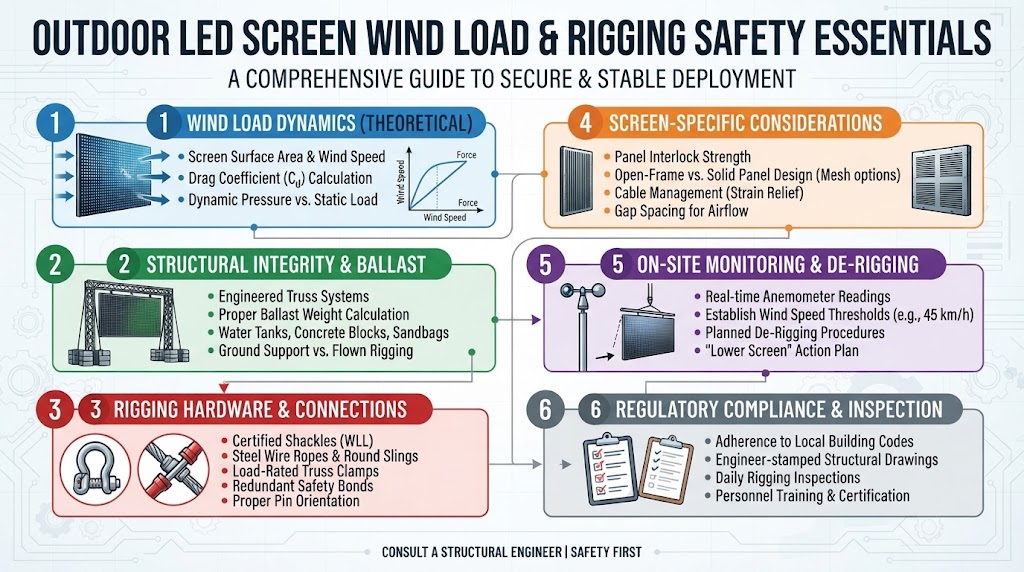
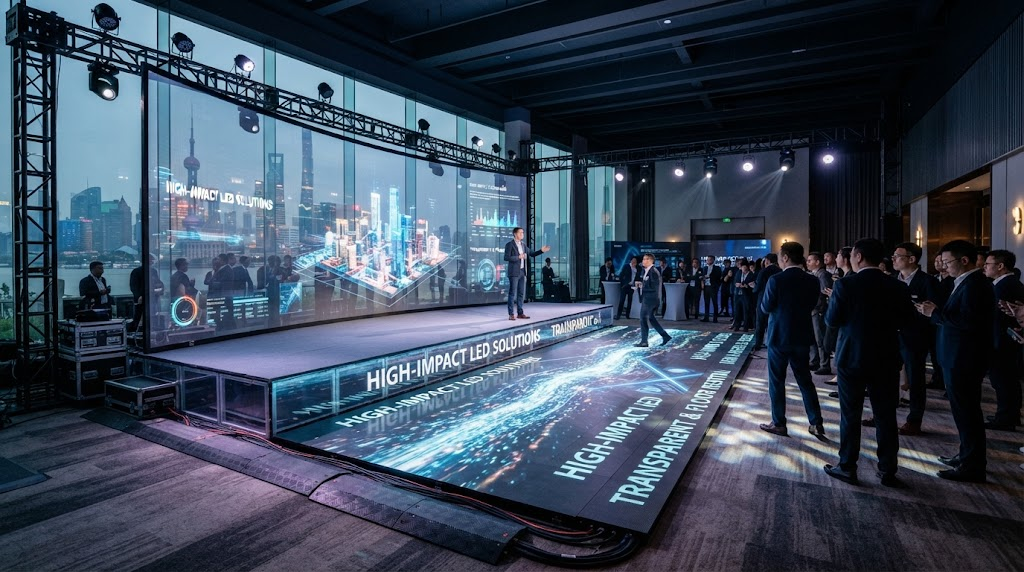
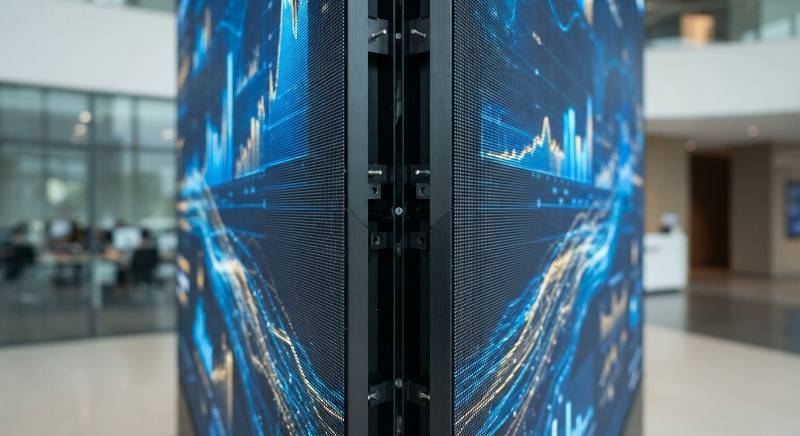
The primary difference between a Rental LED screen vs. Fixed LED display lies in the engineering of the chassis and the frequency of use. Rental displays utilize lightweight die-cast aluminum cabinets designed for rapid assembly and disassembly, whereas fixed displays are engineered for long-term structural integrity and seamless integration into a building's facade or interior wall.
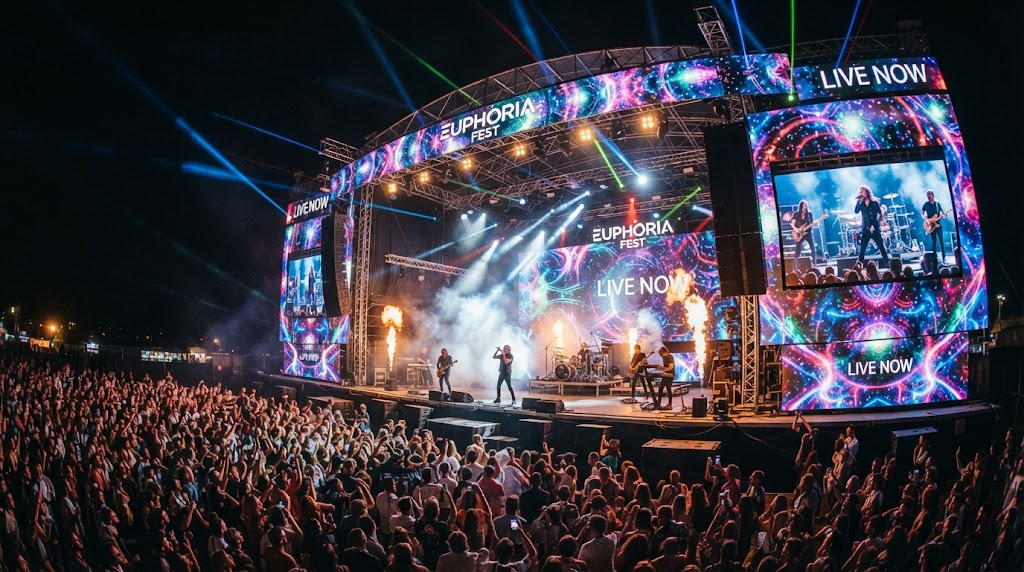
Choosing between these technologies depends on whether your venue hosts rotating events or requires a static, high-performance visual centerpiece. For venues hosting over 15 unique events per quarter, a high-quality rental LED screen often provides the necessary versatility to adapt to different stage plots and audience sizes.
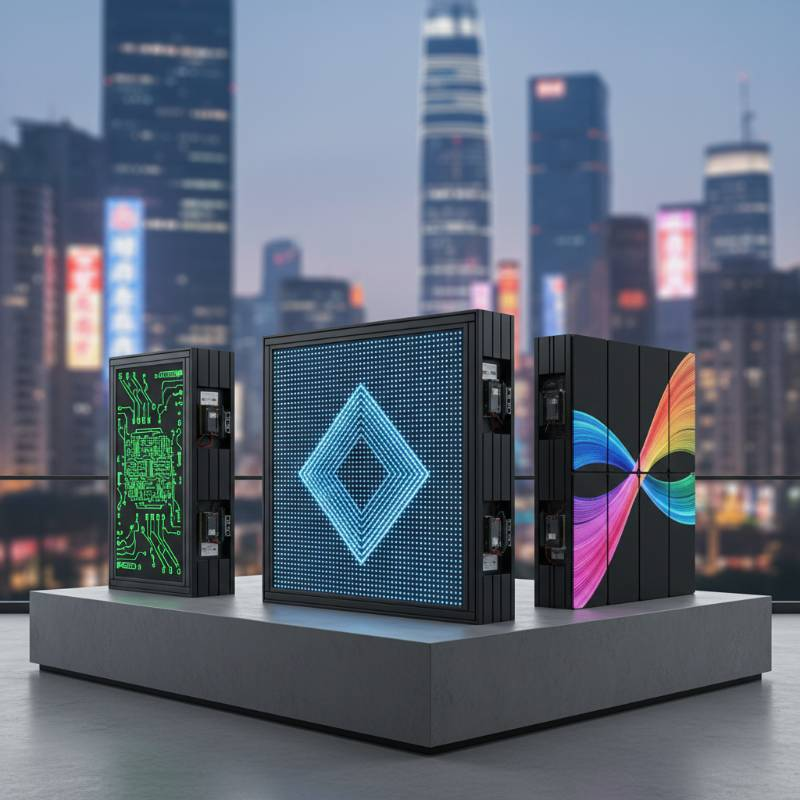
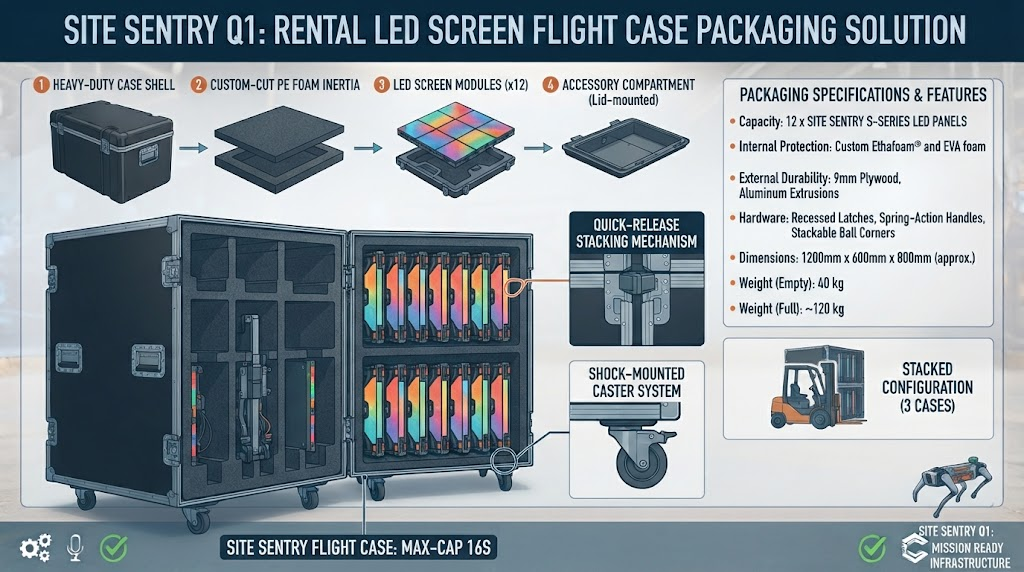
Rental hardware features integrated rigging hardware and fast-lock systems, allowing technicians to build massive walls in hours. Conversely, a fixed LED display is typically front-serviceable and mounted to a dedicated steel frame, prioritizing a zero-bezel aesthetic and permanent power routing.
The V.A.L.U.E. Deployment Matrix: Our Proprietary Selection Protocol
At LEDWallScreen, we utilize the V.A.L.U.E. Deployment Matrix to guide AV procurement. This framework scores hardware based on five critical vectors:
Versatility: Can the modules be reconfigured into different aspect ratios or curved configurations?
Assembly: What is the "Time-to-Pixel" (TTP) metric for your specific crew size?
Lifespan: Will the diode batch maintain color consistency over 50,000+ hours of operation?
Utility: Does the hardware support 2026-standard HDR10+ and high-refresh-rate processing?
Expense: Does the CapEx justify the projected OpEx savings over a 60-month window?
In our technical testing, rental units score higher on Versatility and Assembly, while fixed units dominate in Lifespan and Thermal Utility. Based on our data, venues that ignore the "Assembly" cost of rental units often see a 30% increase in hidden labor expenses within the first two years.
Total Cost of Ownership (TCO) and ROI Analysis
The financial debate between Rental LED screen vs. Fixed LED display often focuses on initial price, but TCO reveals the true winner. Fixed installations have higher initial CapEx due to custom structural engineering. However, their OpEx is significantly lower because they do not require constant transportation, warehousing, or specialized rigging crews for every event.
| Cost Metric | Rental LED (Mobile) | Fixed LED (Installed) |
|---|---|---|
| Initial Hardware Cost | Medium-High (Premium Chassis) | High (Structure + Hardware) |
| Labor & Rigging | High (Recurring per event) | Low (Occasional Maintenance) |
| Depreciation Rate | 15-20% Annually | 10-12% Annually |
| Calibration Frequency | Per Setup (Essential) | Bi-Annually |
According to research by the AVIXA industry standards, the ROI for event venues is reached 18% faster with fixed displays if the screen is used more than four days per week.
Technical Performance: Pixel Pitch and Thermal Management
Technical performance is where the two formats diverge significantly. A modular design in rental screens must account for physical impact resistance. Rental modules often use "GOB" (Glue on Board) technology to protect pixel pitch integrity during transit.
Fixed displays, however, focus on thermal dissipation. Because they are often flush-mounted against walls, they require advanced heat-sink designs to prevent "thermal throttling" of the driver ICs. In 2026, fixed installations are increasingly utilizing common-cathode technology to reduce heat output by 20% compared to standard rental boards.
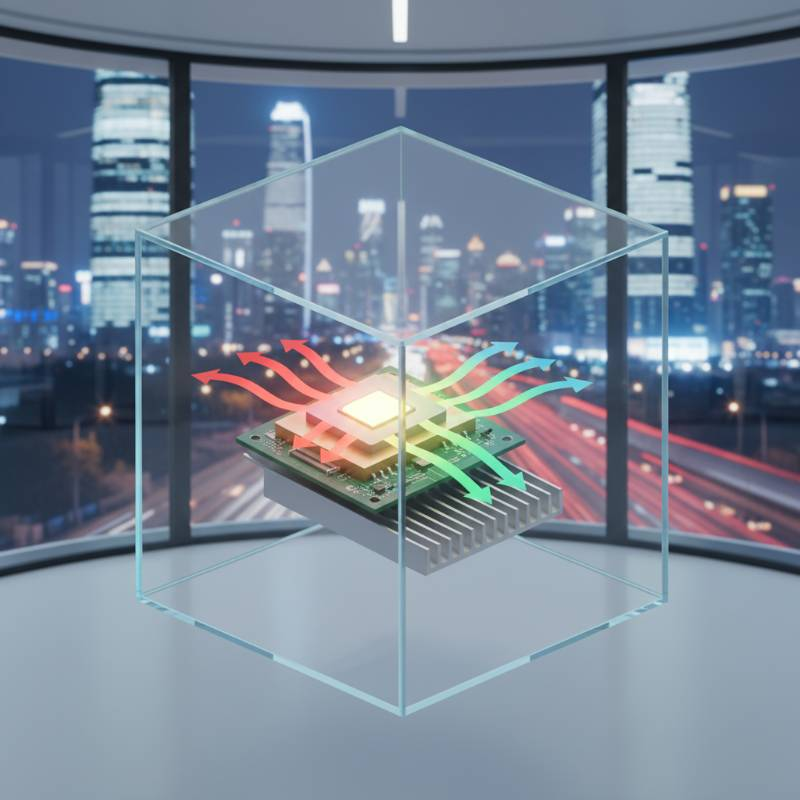
Pixel Pitch: The distance (in millimeters) from the center of an LED cluster (pixel) to the center of the next LED cluster. Smaller pitch equals higher resolution and closer viewing distances.
Sustainability Metrics: Energy and Carbon Footprint
Sustainability is no longer optional in 2026 AV procurement. The carbon footprint of a rental screen includes the emissions of specialized transport vehicles and the wear-and-tear of flight cases. A fixed display has a higher "embodied carbon" initial cost but wins on long-term power consumption analysis due to optimized power supplies that don't need to handle the varying voltage inputs typical of temporary tour power generators.
For venues tracking ESG data, permanent installations offer more predictable energy modeling. We have found that fixed units equipped with light sensors for auto-dimming can reduce annual energy costs by up to 15% compared to manual rental setups.
Operational Logistics: From Rigging to Maintenance
Operational logistics are the silent budget killers. Rental screens require a dedicated storage area and meticulous inventory management to ensure calibration stays consistent across different module batches. If you mix "Batch A" and "Batch B" rental modules, the color shift will be visible to the naked eye.
Fixed displays require less daily attention but benefit from a "Front-Serviceable" architecture. This allows a single technician to replace a faulty module in under two minutes without deconstructing the entire wall. In our experience, hardware failure stories usually stem from connector wear in rentals—the constant plugging and unplugging of power/data cables eventually fatigues the pins.
For more on maintaining these systems, consult the IEEE standards for electronic equipment maintenance.
Frequently Asked Questions
What is the typical LED screen lifespan in 2026?
Most high-quality LED displays are rated for 100,000 hours. However, real-world "usable" life is closer to 60,000–80,000 hours before significant brightness decay occurs.
Can I use a fixed LED display for outdoor events?
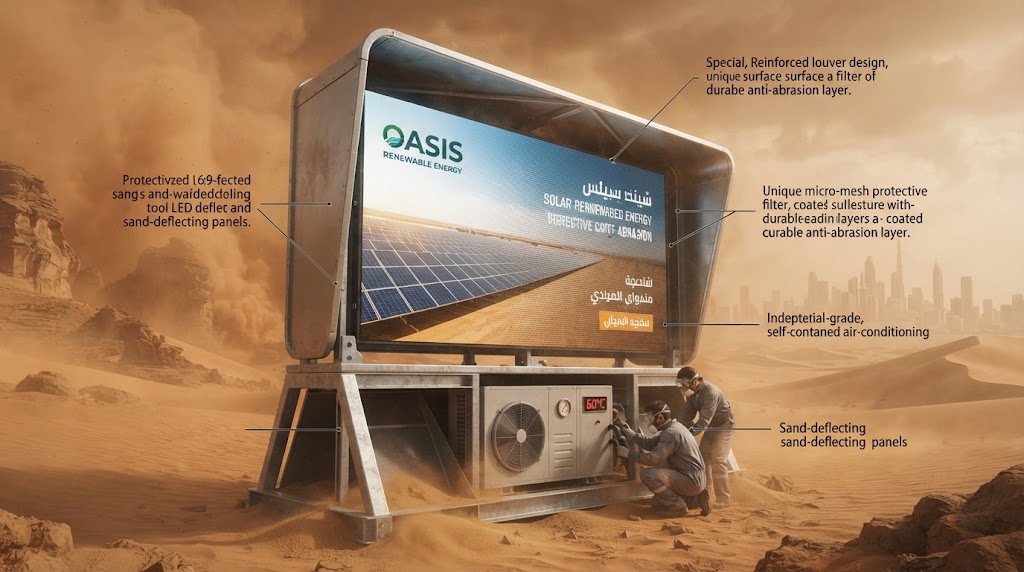
Only if it is specifically rated for IP65 or higher. Using an indoor-fixed screen outdoors will lead to immediate failure due to moisture and UV degradation.
Why is rental pricing so much higher per day than leasing a fixed unit?
Rental pricing accounts for the high labor costs of setup, strike, and the logistical overhead of transporting the equipment and maintaining the "fleet" quality.
Ready to Upgrade Your Venue?
Whether you need the flexibility of a rental fleet or the permanence of a 4K fixed installation, our engineers are ready to help you navigate the 2026 market.
Get a Technical Consultation