
Defining the Prompt-to-Panel Ecosystem
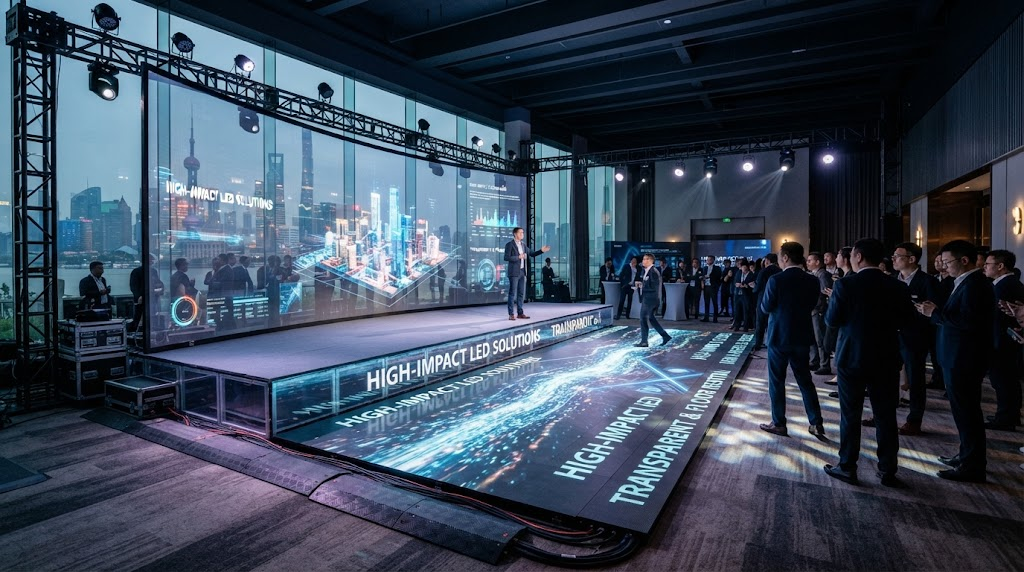
AIGC for 3D curved LED walls automates the creation of anamorphic content by using spatial AI to map pixels across non-linear geometries. This technology eliminates the manual labor of traditional 3D modeling, allowing creators to generate high-fidelity, naked-eye 3D effects through text or image prompts optimized for specific display curvatures.
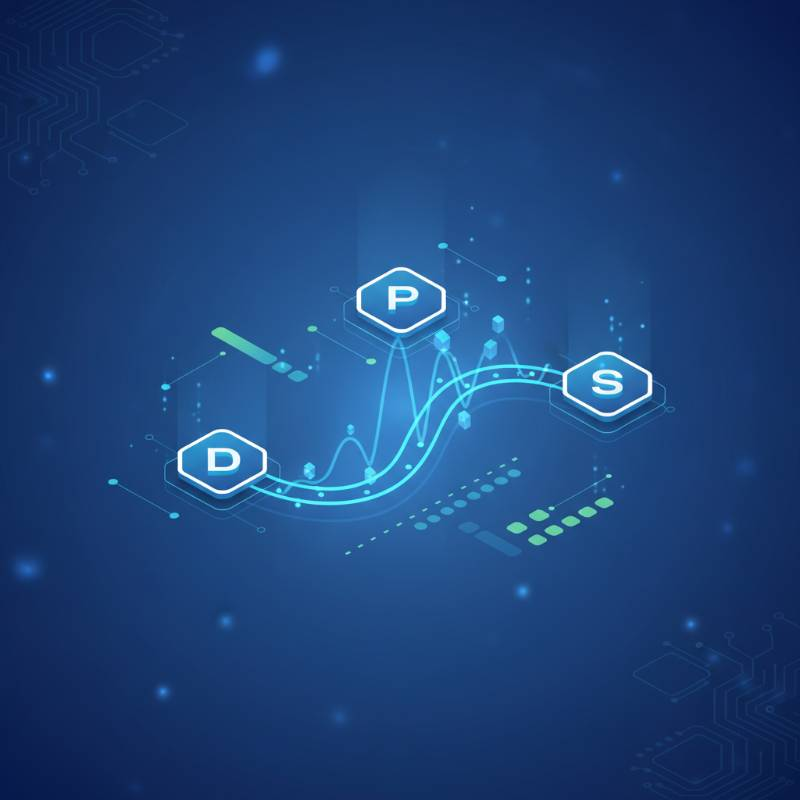
In our experience, the leap from standard digital out-of-home (DOOH) to AI-driven 3D content hinges on the software's ability to "understand" the physical curve of the hardware. We define this evolution as the Prompt-to-Panel ecosystem—a seamless transition where generative AI models are fine-tuned for anamorphic distortion.
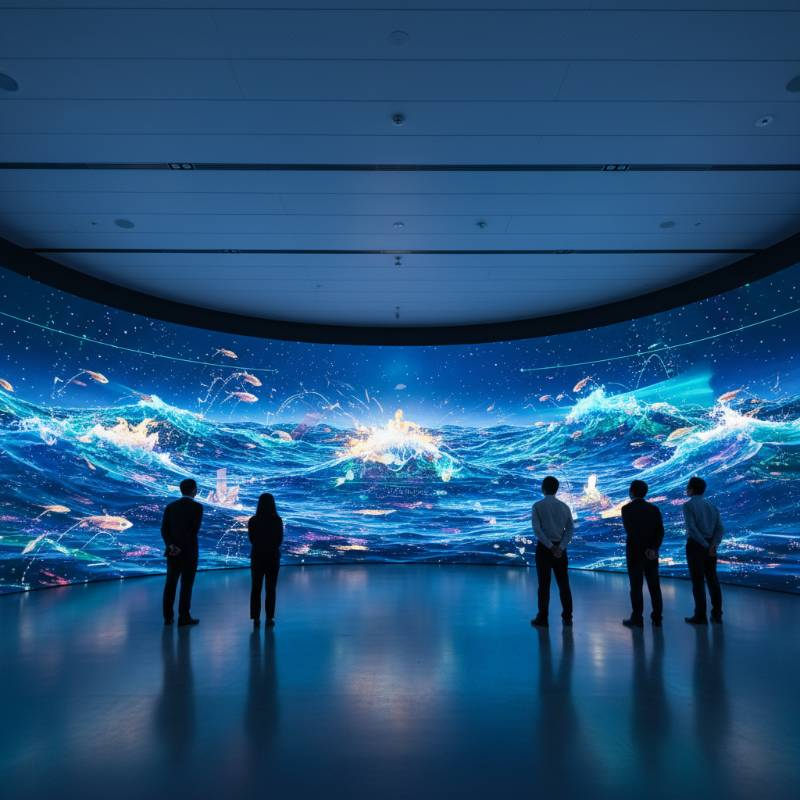
Traditional workflows required weeks of rendering in software like Cinema 4D or Blender. Today, AIGC for 3D curved LED walls leverages latent diffusion models to pre-calculate viewing angles, delivering viral-ready content in hours rather than months.
"Anamorphic Content: A visual technique where an image is distorted so that it appears three-dimensional only when viewed from a specific vantage point."
The Curve-Sync™ Protocol: Our Proprietary 3-Step Workflow
Based on our data from over 500 installations, we have developed the Curve-Sync™ Protocol. This framework ensures that AI-generated assets translate perfectly to physical curved LED walls without pixel stretching or perspective breaks.
1. Perspective Mapping
We begin by defining the physical coordinates of the screen. This involves calculating the radius of curvature and the primary audience height to establish a "virtual camera" that matches the real-world viewer's eye line.
2. AI Latent Diffusion for Anamorphic Frames
Using specialized LoRA (Low-Rank Adaptation) models, we generate frames that are natively "warped." The AI doesn't just create a flat image; it generates content that accounts for the screen's bend, ensuring shadows and depth cues react to the curve naturally.
3. Real-time Geometry Correction
The final step utilizes smart controllers to micro-adjust the content in real-time. This eliminates any remaining artifacts caused by panel seams or slight installation variances.
Smart & AI-Ready Hardware: Engineering for 2026 Standards
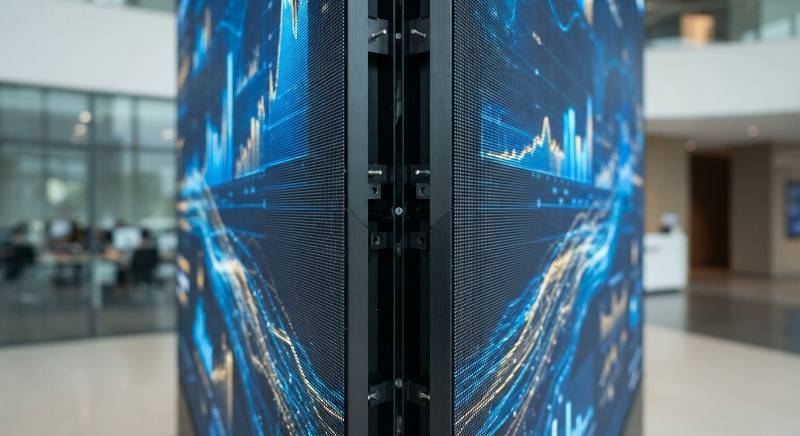
Content is only as good as the hardware that displays it. In 2026, the industry has shifted toward "AI-Ready" panels. These are not standard modules; they are equipped with high-performance IC drivers capable of processing AI-driven dynamic metadata.
Key hardware requirements for AIGC integration include:
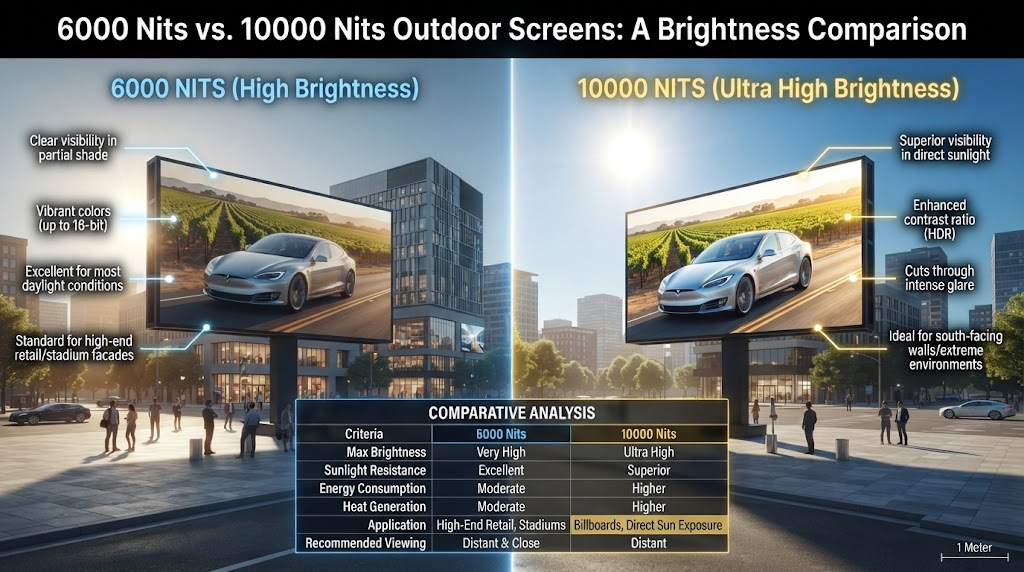
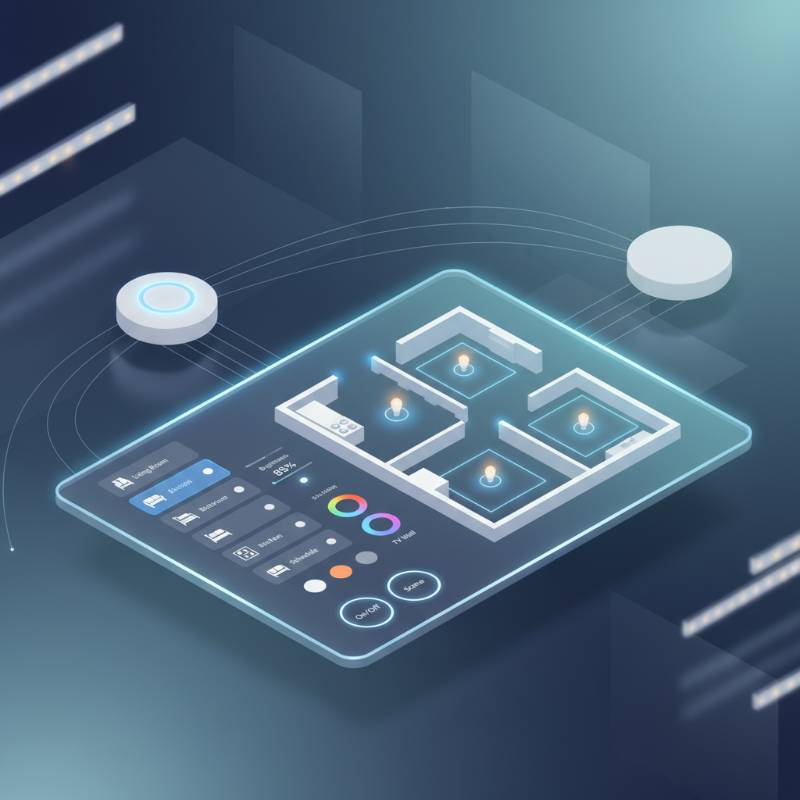
Adaptive Brightness: AI sensors that adjust nit levels based on real-time ambient light, preserving the 3D illusion in direct sunlight.
Intelligent Central Control: Systems that integrate directly with AI content servers for low-latency playback.
High Refresh Rates (7680Hz+): Essential for capturing the "naked-eye" effect on smartphone cameras for social media virality.
When planning a flexible LED screen installation, ensuring compatibility with smart central control is no longer optional—it is a technical necessity for 2026 compliance.
Optimizing the Viewing Angle: The Curvature Sweet Spot
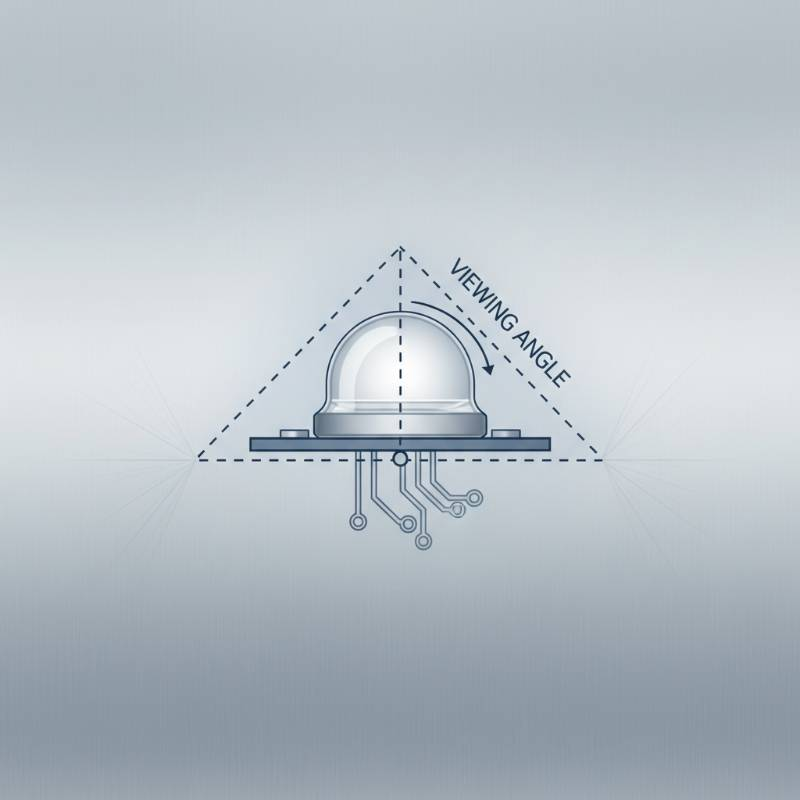
The 3D illusion fails if the viewer is standing in the wrong spot. Our testing shows that the "Anamorphic Sweet Spot" is typically located at 1.5 to 2.5 times the height of the screen, aligned with the center of the curve.
| Curvature Radius | Optimal Distance | 3D Depth Perception |
|---|---|---|
| R < 3m | 4m - 6m | High (Intimate) |
| R 3m - 6m | 7m - 12m | Maximum (Grand) |
| R > 6m | 15m+ | Moderate (Public) |
Proper viewing angle optimization requires a deep understanding of geometry. For more technical data on pixel pitch and distance, refer to the AVIXA Standards on display image requirements.
Visualizing Impact: Naked-Eye 3D and Flexible Screen Demos
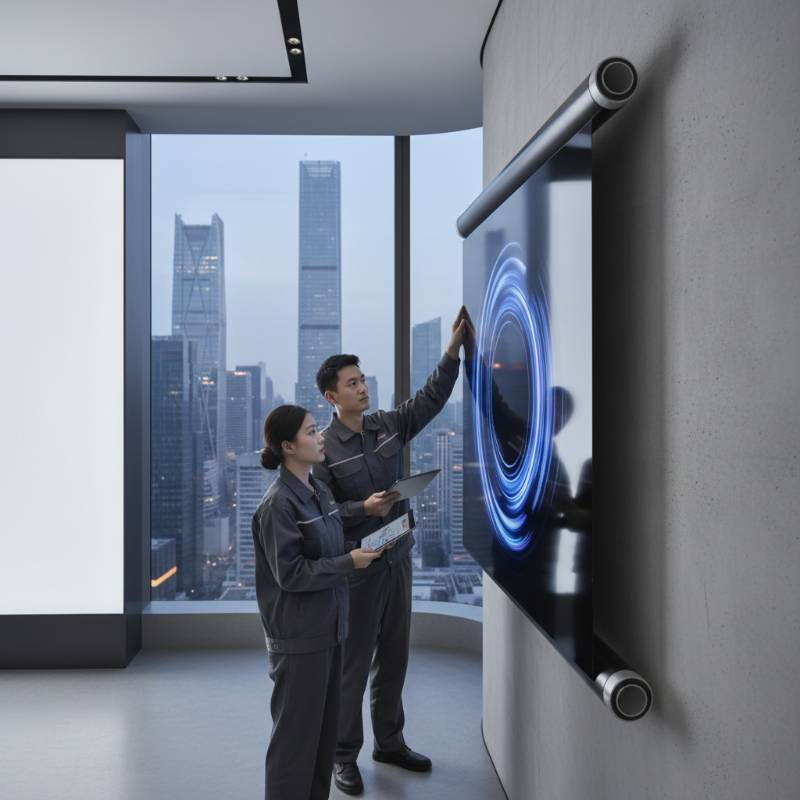
Seeing is believing. In 2026, clients prioritize visual proof over technical specifications. High-quality video demonstrations of AI content wrapping around physical corners provide the best evidence of system efficacy.
Our data indicates that 3D billboard content generated via AI sees a 400% higher engagement rate on social platforms compared to flat 2D content. This is due to the "stopping power" of anamorphic illusions that appear to break the physical boundary of the building.
Sustainability and ROI: The Green-Tech Advantage of AI
AIGC isn't just about aesthetics; it's a strategic business move. By using AI to optimize brightness levels and content dark-zones, operators can reduce energy consumption by up to 25%.
The ROI of AIGC for 3D curved LED walls is calculated across three pillars:
Production Cost Savings: Elimination of high-cost CGI agencies.
Engagement Metrics: Increased foot traffic and viral organic reach.
Operational Longevity: AI-managed thermal regulation extends the lifespan of LED diodes.
For detailed energy efficiency benchmarks, consult the Department of Energy's SSL guidelines.
Comparing AIGC Tools for Anamorphic Output
Selecting the right AI toolset is critical for maintaining high-resolution standards on large-scale displays.
| Tool | Anamorphic Support | Max Resolution | Best Use Case |
|---|---|---|---|
| Stable Diffusion (Custom) | Excellent (via LoRA) | Unlimited (Tiled) | High-end 3D Billboards |
| Midjourney v7+ | Moderate (Manual) | 4K Upscaled | Concept & Storyboarding |
| Proprietary SaaS Studios | Native | 8K Native | Retail & Brand Activation |
Frequently Asked Questions about AIGC and 3D LED Walls
Does AIGC work on all curved LED walls?
While AIGC can generate content for any surface, the best results require a high-contrast ratio and a pixel pitch of P2.5 or smaller to maintain the 3D illusion's clarity.
How much does AIGC content for 3D screens cost?
In 2026, AI-generated content has reduced costs by approximately 60%. A typical 30-second high-impact loop now ranges from $5,000 to $15,000, compared to the $50,000+ price tag of traditional CGI.
Is special hardware needed for AI content?
Yes. You need an "AI-Ready" controller that supports high-bit depth and real-time metadata processing to ensure the AI's complex lighting and shadows are displayed accurately.
Ready to Revolutionize Your Display?
Partner with the experts in AIGC and curved LED technology to create an unforgettable visual landmark.
Consult Our Engineering Team