
The Science of Precision: How Our Calculation Engine Works
A professional led screen size calculator is more than a simple multiplication tool. It bridges the gap between a client's "wish list" resolution and the hard physics of hardware manufacturing.
To determine the exact size of a LED wall screen, our engine uses the core formula: Physical Width = Horizontal Resolution × Pixel Pitch. However, the theoretical result is rarely the final engineering dimension.
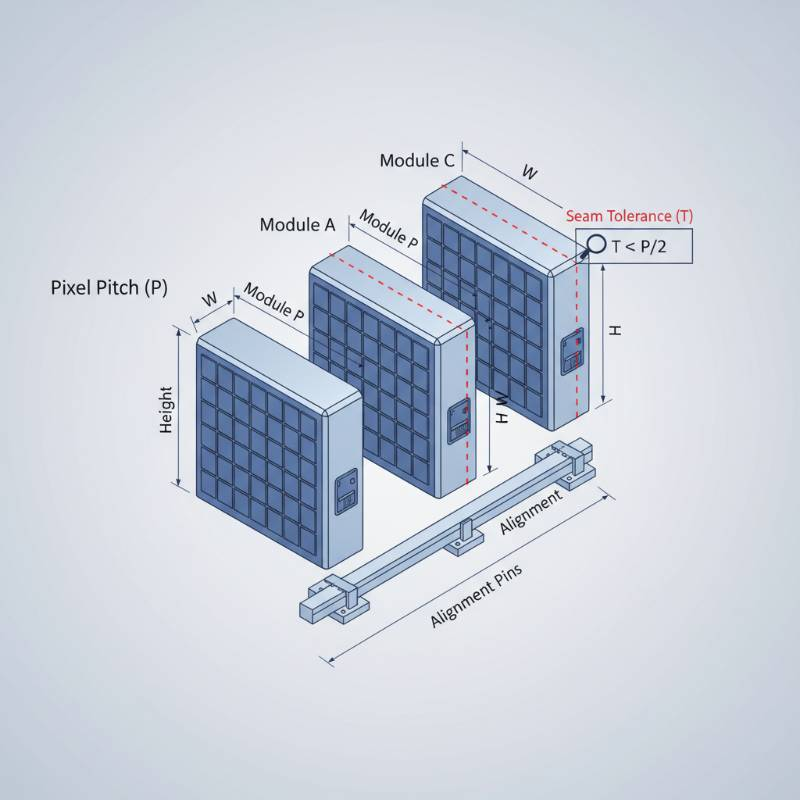
For instance, if you require a 4K resolution at a P1.5 pixel pitch, the math suggests a width of approximately 6000mm. Our tool automatically aligns this with standard cabinet architecture. In this case, it matches exactly 10 units of a 600mm cabinet, ensuring zero gap and perfect structural alignment.
Why Cabinet Multiples Define Your Final Installation
In the world of professional AV, you cannot cut an LED panel. Every screen must be an integer multiple of its base cabinet size. Whether you are using a 500x500mm rental panel or a 600x337.5mm fixed installation unit, the total width and height must divide evenly by these numbers.
Our led display resolution calculator prevents engineering failures by rounding your desired dimensions to the nearest functional cabinet count. This ensures the structural load-bearing calculations remain valid and the visual aspect ratio stays consistent with your content source.
The Precision-Grid Protocol: Our Proprietary Design Framework
Based on our data from thousands of global installations, we developed the Precision-Grid Protocol. This three-step methodology ensures that your screen isn't just the right size, but the right performance tier for its environment.
Step 1: Density Validation: We cross-reference your chosen pixel pitch against the minimum and maximum viewing distances to ensure no visible pixelation.
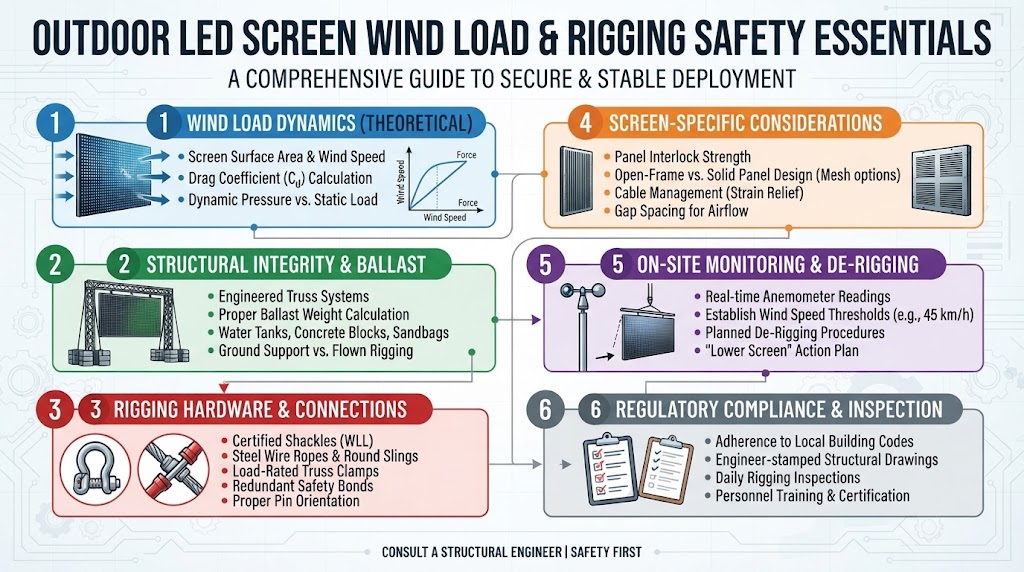
Step 2: Structural Integrity Sync: The tool calculates the total weight based on cabinet count, ensuring the wall or hanging truss can support the load.
Step 3: Signal Logic Mapping: We define the number of LED controllers and data paths required to drive the calculated resolution without latency.
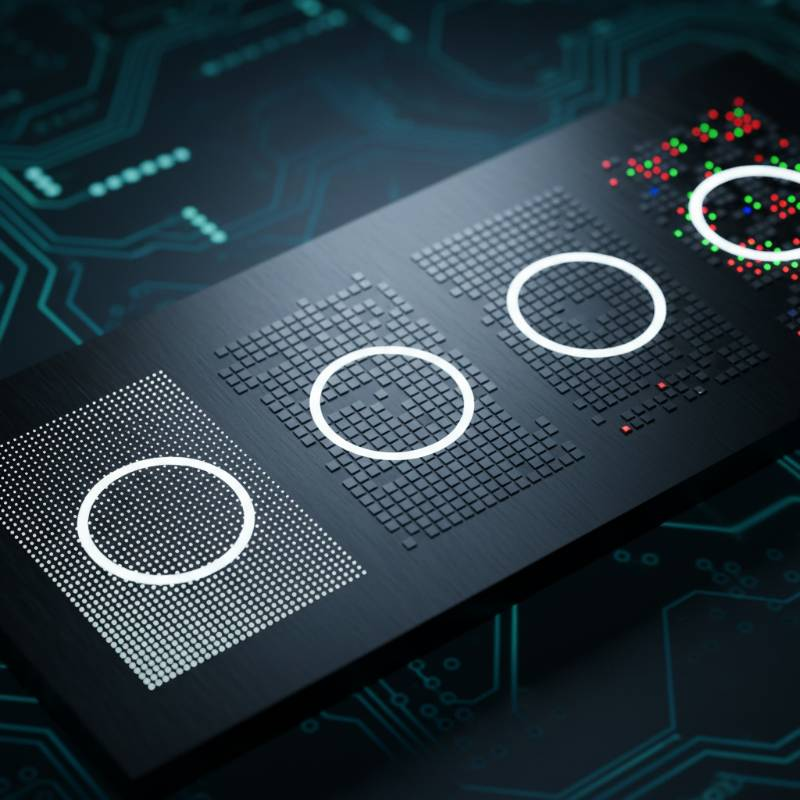
Pixel Pitch: The distance (in millimeters) from the center of one pixel to the center of the adjacent pixel. A smaller pitch equals higher pixel density and closer viewing distances.
Comprehensive Database: From P0.7 to P16 and Beyond
Our tool contains an exhaustive library of industry hardware. This isn't limited to standard sizes; it includes specialized COB (Chip on Board) technology for ultra-fine pitch applications.
| Pixel Pitch | Common Cabinet (mm) | Best Use Case |
|---|---|---|
| P0.7 - P1.2 | 600 x 337.5 | Command Centers / Boardrooms |
| P1.5 - P2.5 | 600 x 337.5 / 500 x 500 | Retail & indoor LED display |
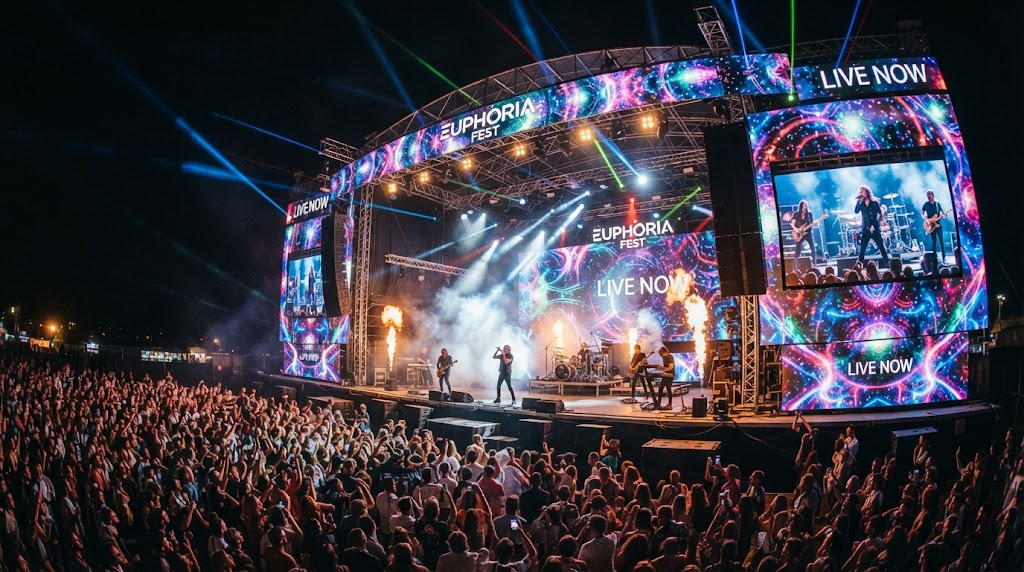
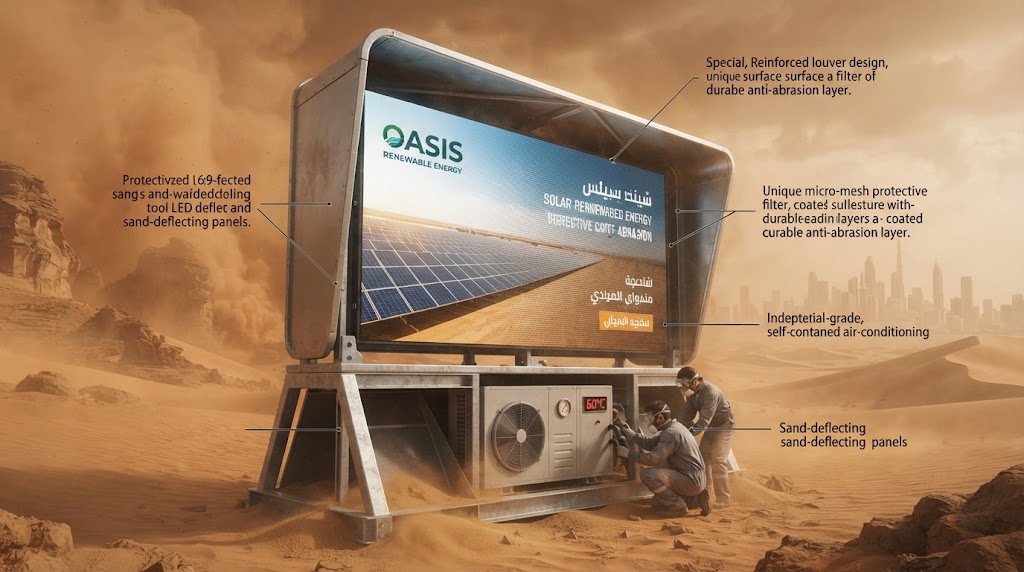
| P3.9 - P10 | 500 x 1000 / 960 x 960 | Outdoor Advertising |
Next-Gen Features: AI Scanning and AR Room Placement
In 2026, manual measurements are becoming obsolete. Our led video wall calculator now integrates with mobile LiDAR sensors to provide AI-assisted room scanning. Simply point your device at the wall, and the tool suggests the optimal screen size based on the available physical space.
Furthermore, our Augmented Reality (AR) preview allows you to "mount" the calculated outdoor LED screens or indoor walls in your environment. This visual validation helps stakeholders understand the scale and impact before a single cabinet is shipped.
Sustainability Metrics: Energy Efficiency and Carbon Footprint
Modern procurement requires environmental accountability. Our calculation engine provides real-time data on power consumption based on your specific dimensions and brightness requirements. We utilize updated 2026 efficiency standards from Energy Star to forecast annual operational costs.
By inputting your local energy rate, the tool generates a carbon footprint metric. This allows AV integrators to propose "Green LED" solutions that balance high-impact visuals with reduced heat dissipation and energy waste.
Industry-Standard Accuracy for Global AV Integrators
Trust is built on precision. The logic driving our pixel pitch to dimension converter is adopted from AVIXA system design norms and international engineering specifications.
We define "accurate" as zero-tolerance engineering. When our tool says a screen is 6000mm wide, it accounts for the mechanical seams and mounting brackets required for a seamless finish. This reliability is why B2B procurement teams treat our reports as the "Gold Standard" for project tenders.
Export Your Professional Project Proposal
Once your calculation is complete, you have two powerful paths for project progression. We believe in moving from data to action instantly.
Download PDF Report
Get a full technical breakdown including dimensions, total weight, max power draw, and resolution specs sent to your inbox.
Consult an Engineer
Send your specific dimension requirements directly to our engineering team for a formal quote and structural review.
Frequently Asked Questions About LED Screen Sizing
How do I choose the right pixel pitch for my viewing distance?
A general rule of thumb is the "1-to-1" rule: a P1.5 screen is best viewed from 1.5 meters away or further. Our calculator uses a more advanced algorithm that considers visual acuity and content type (text vs. video) to recommend the optimal pitch.
What is the difference between 16:9 and custom aspect ratios?
16:9 is the standard for most video content. If your calculated dimensions result in a different ratio, you may see "black bars" or need custom content scaling. Our tool highlights aspect ratio deviations to help you stay within standard broadcast formats.
How do I calculate the total power load for a video wall?
Total power load is calculated by multiplying the maximum power consumption per cabinet (found in our database) by the total number of cabinets. Remember to plan for "Peak Power" (all white screen) and "Average Power" (typical video content).
Regular LED screen maintenance also ensures that power efficiency remains high over the display's lifespan.