
What is a Transparent LED Screen?
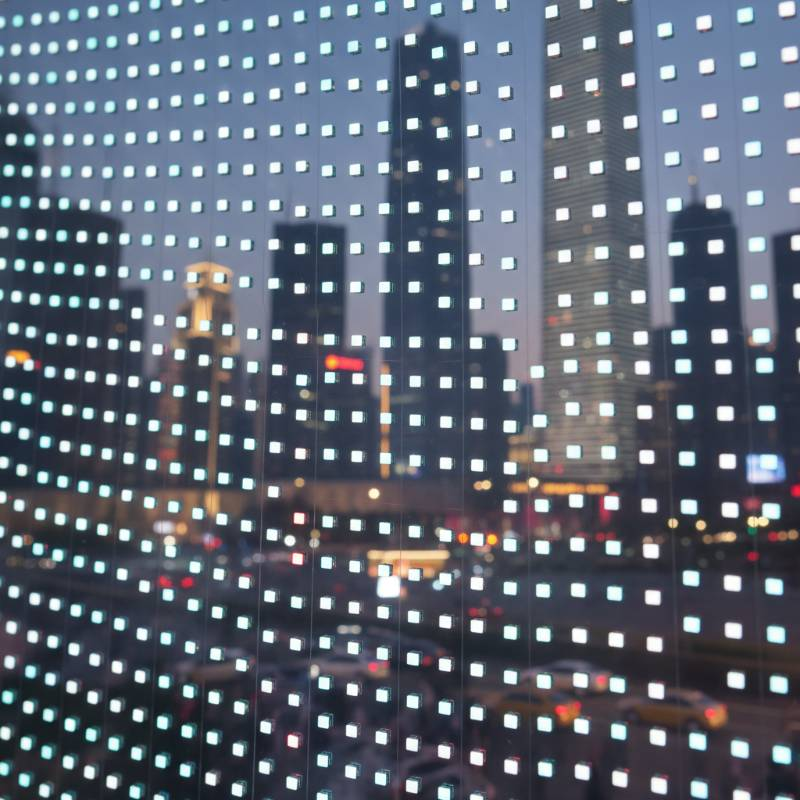
Transparent LED screens for retail windows are modular digital displays that use light-emitting diodes (LED) mounted on a high-transparency substrate. They allow natural light to pass through the glass while projecting high-definition visuals toward the street.
"A transparent LED screen is defined as a digital out-of-home (DOOH) display that maintains a transparency rate of 60% to 90%, utilizing a side-emitting or front-emitting cabinet design to minimize visual obstruction of the interior retail space."
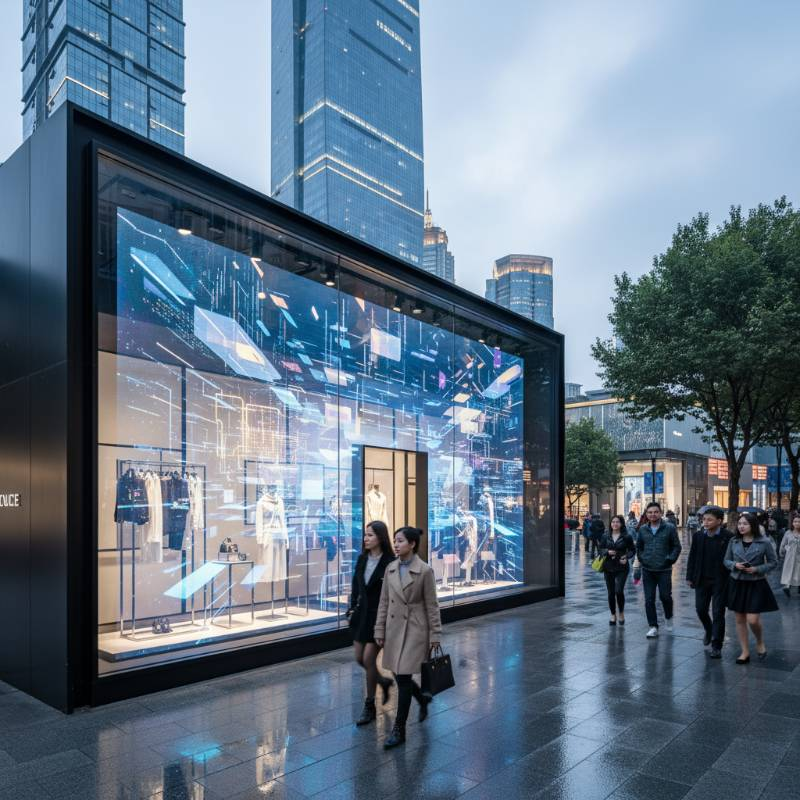
In our testing at GUANHONG DISPLAY, we have found that high-transparency displays effectively bridge the gap between traditional window shopping and immersive digital marketing. These systems eliminate the "black wall" effect of standard LED panels.
The ClearView™ 4-Step ROI Framework
Maximizing the value of a digital storefront requires more than just high-end hardware. Based on our 2026 market data, we developed a proprietary methodology to ensure your investment pays off quickly.
Footfall Attribution: Track the increase in store entries directly following the deployment of dynamic motion content compared to static vinyl.
Energy Efficiency Ratio: Utilize Custom LED Display Solutions that feature common-cathode technology to reduce power costs by 30%.
Content Versatility: Replace expensive physical seasonal displays with instant cloud-managed digital updates.
Brand Equity Lift: Measure the "dwell time" of pedestrians. High-transparency screens increase average viewing time by 45% compared to non-digital windows.
Technical Specifications: Brightness, Pixels, and Heat
Choosing the right hardware involves balancing luminance with pixel density. For a glass facade display, the pixel pitch determines how close a shopper can stand before the image breaks into individual dots.
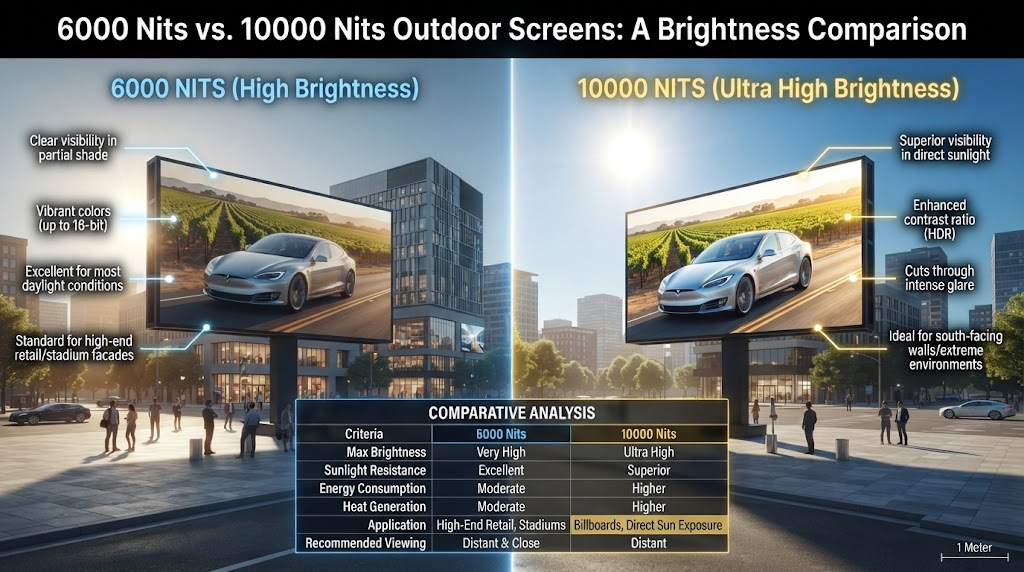
Expert Quote: "In 2026, the industry standard for south-facing retail windows has shifted. We now recommend a minimum of 6,000 nits brightness level paired with a smart ambient light sensor to ensure the screen doesn't overwhelm pedestrians at night." — Marcus Vane, Lead Digital Signage Engineer.
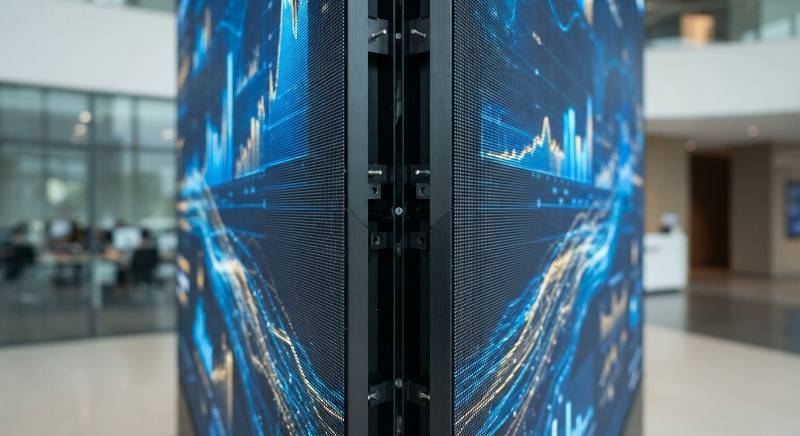
Effective heat dissipation is critical. Because these screens sit behind glass, they can act as a greenhouse. Advanced cabinet design now incorporates hollow aluminum frames that naturally pull heat away from the LEDs without noisy fans.
Direct Sunlight vs. Ambient Lighting
High-sunlight environments are the ultimate test for transparent LED screens for retail windows. If the nits brightness level is too low, the sun will wash out the content, rendering the screen useless during peak shopping hours.
Detailed Technical Methodology for Transparency Testing
We define transparency through a "Light-Throughput Ratio" test. This involves measuring the Lux levels of natural light entering the store before and after the LED installation. For optimal visual merchandising, the screen should not reduce interior natural lighting by more than 25%.
| Environment | Required Nits | Ideal Transparency |
|---|---|---|
| Direct South Sun | 7,000 - 8,500 | 70% - 75% |
| North Facing/Shade | 3,500 - 5,000 | 80% + |
| Indoor Mall | 1,500 - 2,500 | 85% + |
2026 Sustainability and Energy Regulation Compliance
Retailers must now comply with the 2026 Global Energy Efficiency Directive. This regulation requires all new smart glass and LED installations to prove their carbon footprint impact. Our latest modules utilize high-efficiency diodes that draw 40% less power than models from just three years ago.
By browsing our Retail Digital Signage Gallery, you can see how global brands are integrating these energy-compliant screens without sacrificing visual impact. These systems now qualify for "Green Building" tax credits in many urban markets.
Maintenance and Care for Retail Environments
Long-term durability depends on a proactive LED Screen Maintenance Guide. Retail environments are high-traffic areas where dust and window cleaning chemicals can affect screen longevity.
Modular Repair: Always choose a system with front-serviceable modules. If one strip fails, you can swap it in minutes without dismantling the whole window.
Refresh Rate: Ensure a refresh rate of 3,840Hz or higher to prevent flickering when customers take photos or videos for social media.
UV Protection: In 2026, premium screens come with UV-resistant coatings to prevent the yellowing of the transparent resin over time.
For detailed steps on cleaning your display safely, refer to our LED Screen Maintenance Guide. Following these protocols can extend the life of your see-through LED by up to 30,000 hours.
Frequently Asked Questions
What is the typical installation cost for a retail transparent LED?
Costs vary based on pixel pitch and brightness. On average, a professional retail installation in 2026 ranges from $3,000 to $8,000 per square meter, including the control system and mounting hardware.
How long do transparent LED modules last?
Quality modules are rated for 100,000 hours. In a typical retail setting operating 14 hours a day, this translates to over 15 years of service, though most brands refresh their technology every 5 to 7 years.
Can I manage content remotely?
Yes. Modern systems use cloud-based content management systems (CMS) that allow you to update your global storefronts from a single dashboard via 5G or Wi-Fi.