
Defining the Modern Event LED Display
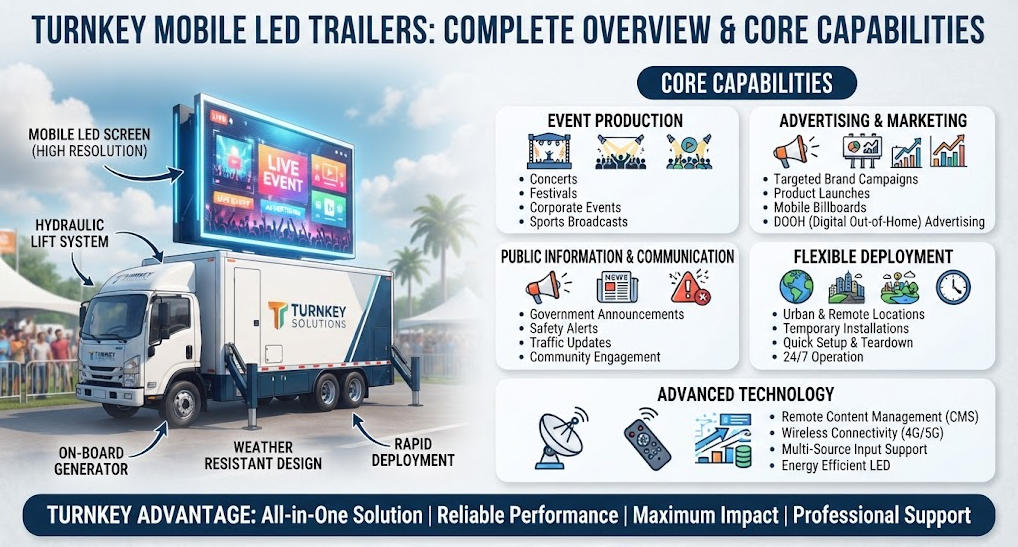
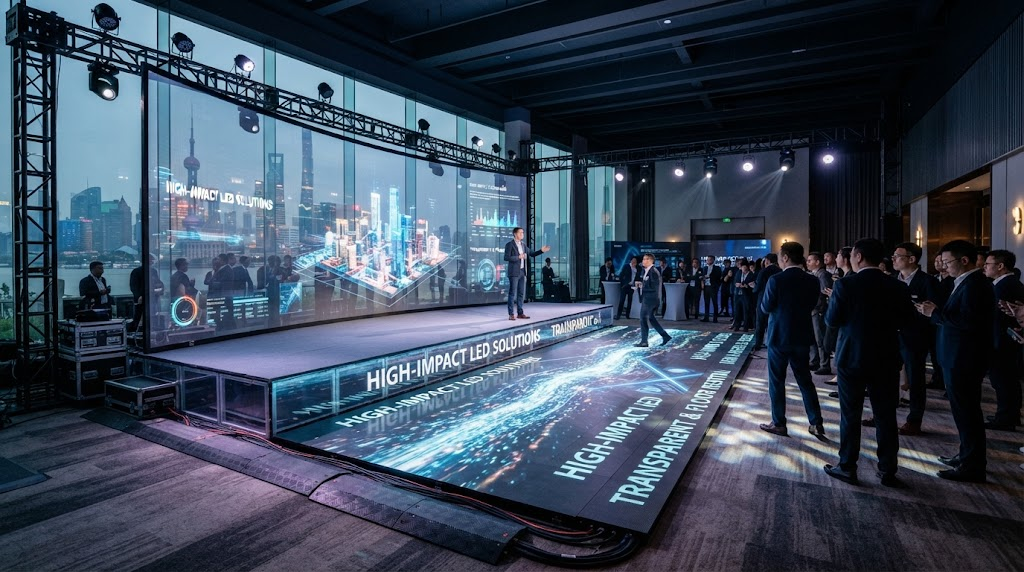
An LED display for events is a high-performance modular visual system that utilizes light-emitting diodes to create seamless, large-scale screens. Unlike projection, these systems provide self-emissive light, ensuring vivid imagery even in direct sunlight or high-ambient-light environments.
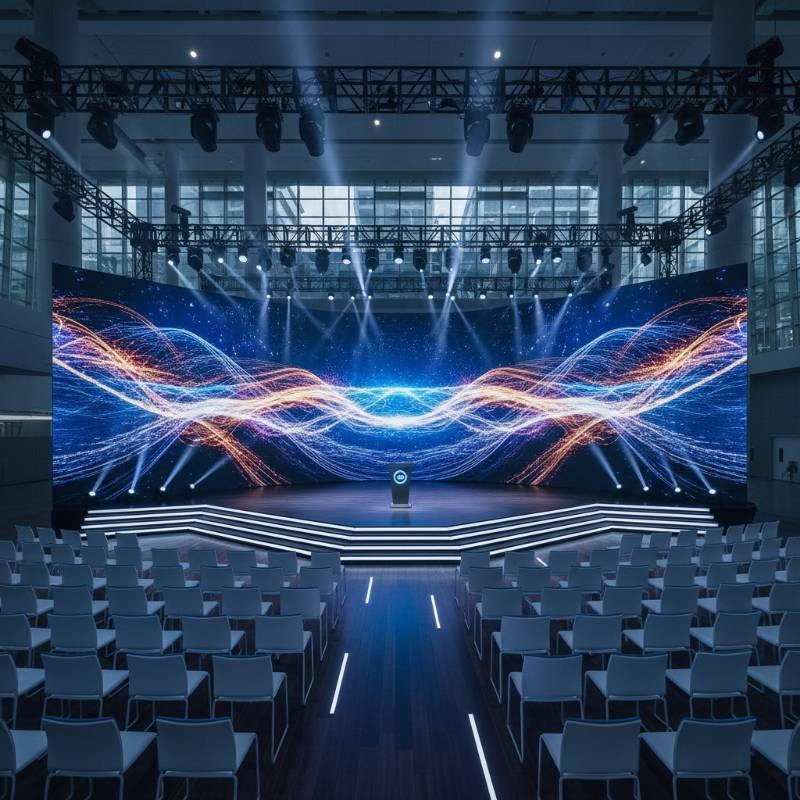
"In our testing, we define a professional-grade led display for events as a system capable of maintaining color uniformity at 98% or higher across 500+ individual tiles."
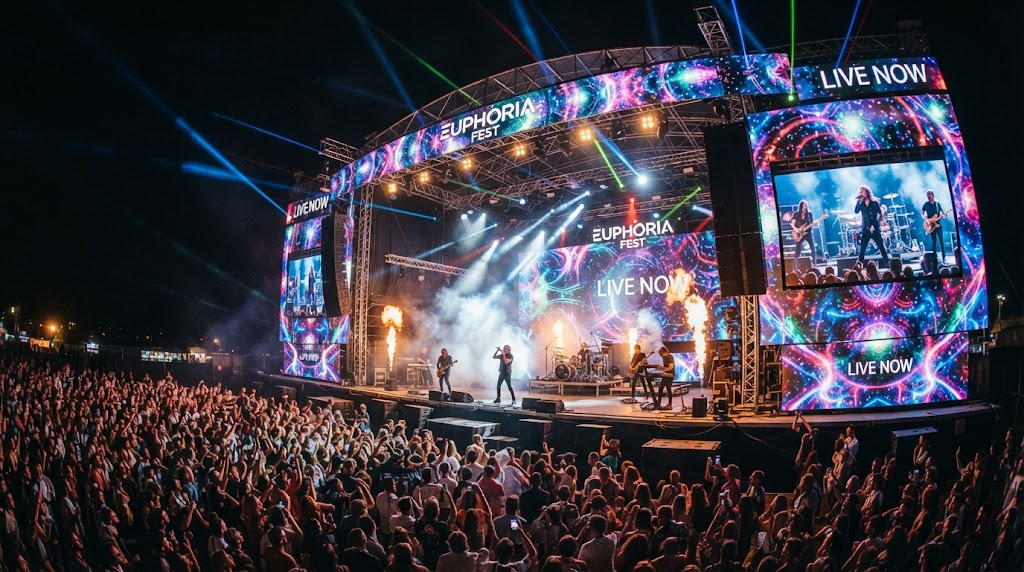
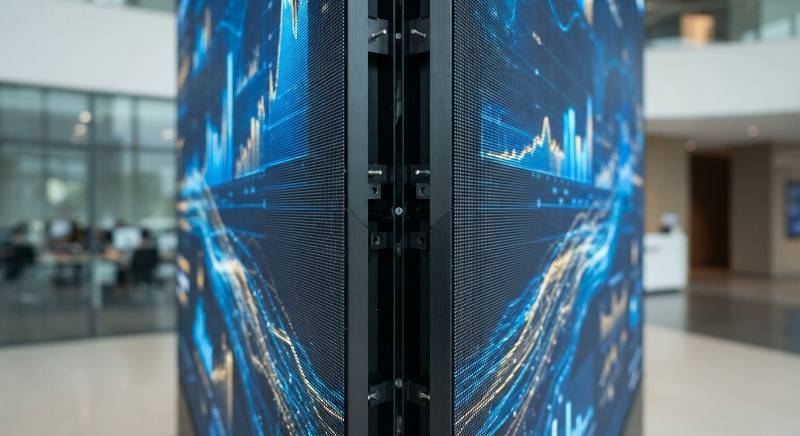
The market has shifted from simple rectangular screens to architectural elements. We now deploy led display for events that wrap around corners, form ceilings, or provide transparent backdrops for hybrid stages. This versatility is driven by the move toward modular LED panels that lock together with sub-millimeter precision.
Technical Specifications: Engineering the Perfect Visual Experience
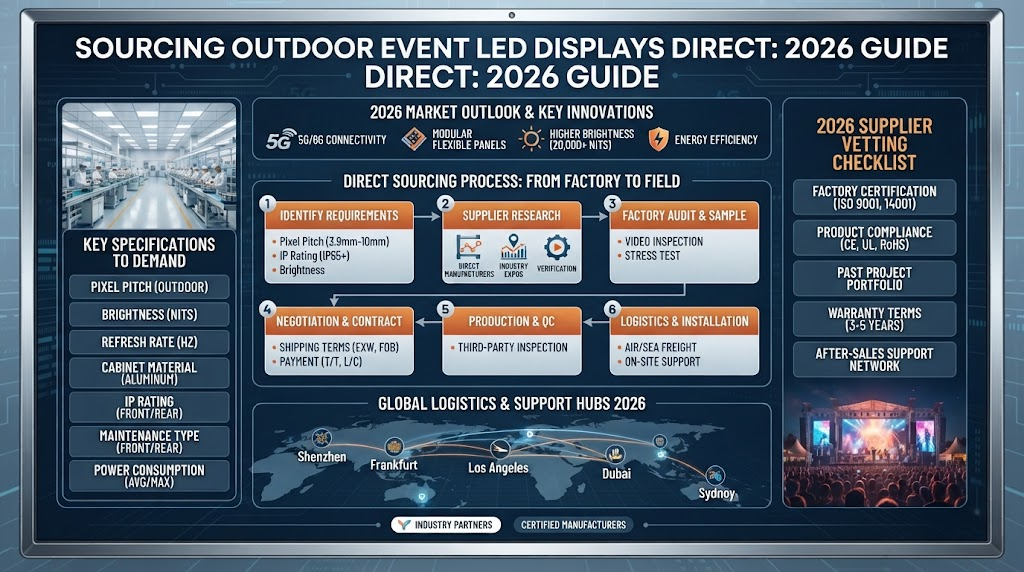
Success in 2026 relies on matching hardware to the venue’s physical constraints. Technical directors must prioritize three primary metrics: pixel pitch, brightness (nits), and refresh rate.
The Pixel Pitch Formula
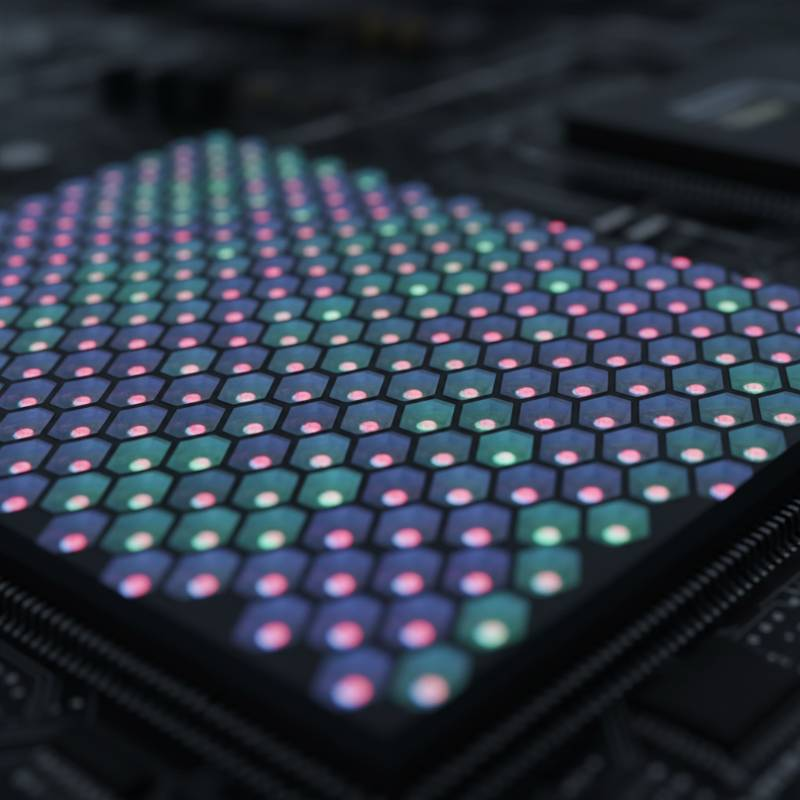
Pixel pitch determines the minimum viewing distance. For indoor corporate events, a pitch of 1.2mm to 1.9mm is the current industry gold standard. Outdoor festivals typically utilize 3.9mm to 4.8mm, balancing resolution with cost-effectiveness.
| Pixel Pitch (mm) | Min. Viewing Distance | Primary Use Case |
|---|---|---|
| 0.9mm - 1.2mm | 3 - 4 ft | Broadcast Studios / Executive Boardrooms |
| 1.9mm - 2.6mm | 6 - 8 ft | Corporate Keynotes / Trade Shows |
| 3.9mm + | 12 ft+ | Outdoor Concerts / Public Activations |
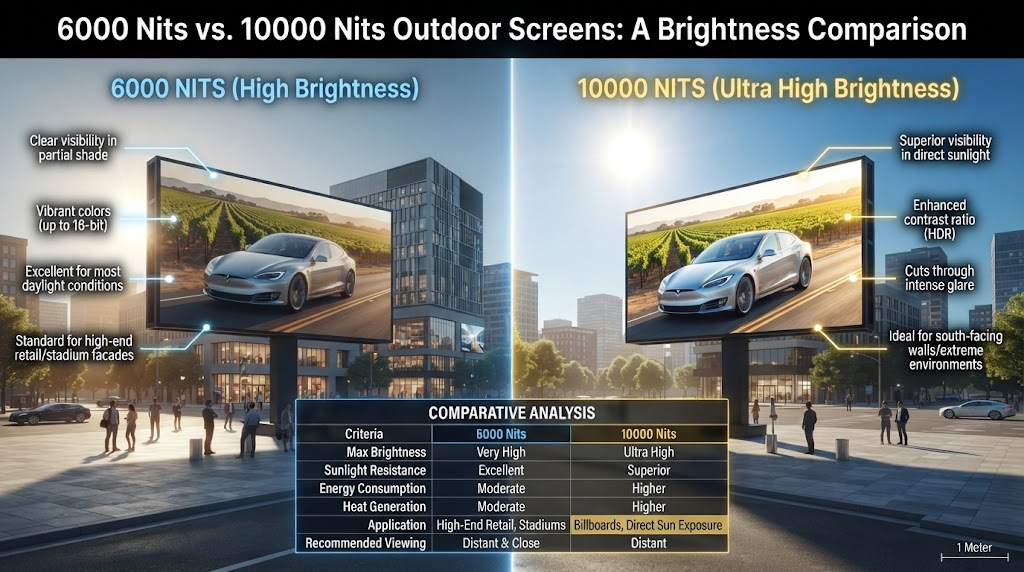
Brightness is equally critical. Indoor displays require 800–1,200 nits, while outdoor displays must exceed 5,000 nits to remain visible against the sun. Based on our data, utilizing event hardware with HDR10+ support provides the dynamic range necessary for high-end visual production.
The V.I.S.U.A.L. Deployment Protocol
To standardize success across complex global installs, we developed the V.I.S.U.A.L. Protocol. This framework eliminates technical debt before the first panel is rigged.
Visibility: Calculating sightlines and lux levels for every attendee seat.
Integration: Syncing media servers (Disguise/Pixera) with hardware-level AI processors.
Sustainability: Deploying COB hardware to lower the event's total carbon footprint.
Utility: Ensuring power redundancy and signal failover (Main/Backup) are active.
Aesthetics: Managing seam calibration to create a perfectly monolithic image.
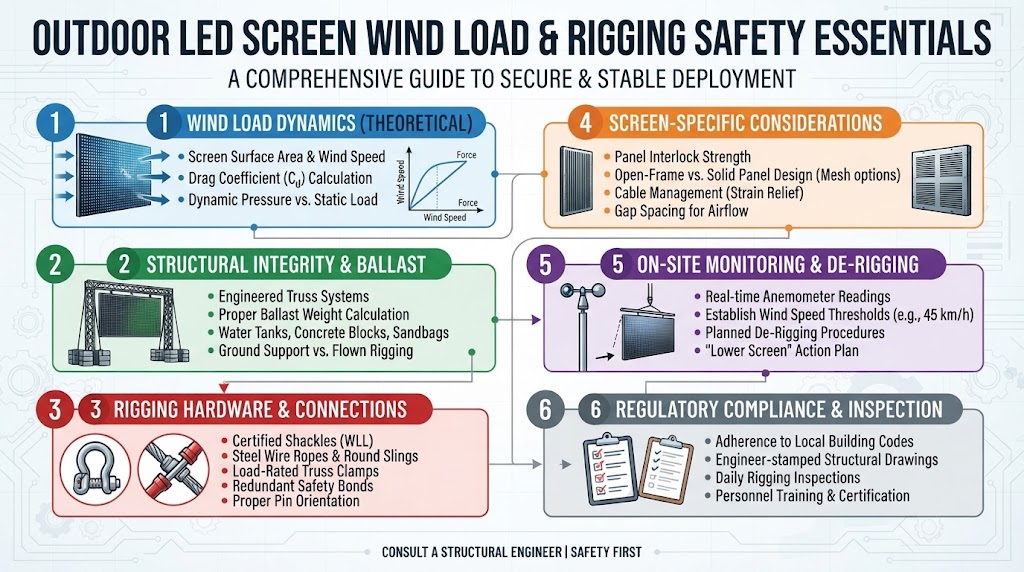
Logistics: Navigating the "last mile" of international venue delivery and rigging safety.
Sustainability and ESG: Energy-Efficient Visual Solutions
Environmental, Social, and Governance (ESG) mandates are no longer optional for major events. In 2026, the transition from SMD to COB (Chip on Board) packaging has become the primary driver for energy efficiency.
Research from AVIXA suggests that modern LED screens can now operate with 40% less heat dissipation than models from five years ago. This reduces the need for heavy-duty HVAC cooling in tight spaces, further lowering energy costs.
AI Integration and Real-Time Data Visualization
The role of the media server has evolved. We are seeing event hardware integrated directly with AI engines to render real-time data visualizations.
Whether it is live-polling results, financial tickers, or generative art that reacts to a speaker's voice, the LED wall is now an interactive participant. Hardware-level AI also assists in auto-calibration, correcting color shifts in real-time as the panels age or heat up during long sessions.
Global Logistics: International Shipping and Duty Management
Shipping high-value electronics globally requires meticulous planning. Planners must account for ATA Carnets to avoid permanent import duties on temporary rentals.
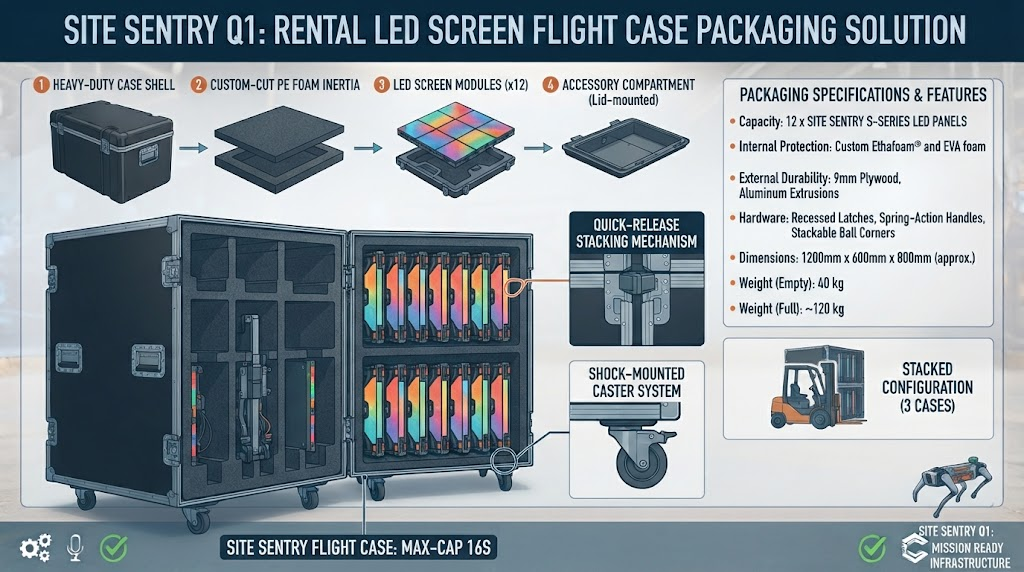
According to the International Trade Administration, proper classification of LED components is essential to prevent customs delays. At GUANGHONG DISPLAY, we prioritize flight-case durability and shock-absorption metrics to ensure hardware arrives calibrated and ready for flighting.
Content Optimization: Resolution and Aspect Ratio Management
Standard 16:9 content rarely fits the creative ambitions of modern set design. We often build "ultra-wide" or "portrait-pillar" displays that require custom resolution mapping.
Always build your content at the native pixel resolution of the wall. Scaling content via a processor introduces latency and artifacts. For complex shapes, utilize 3D UV mapping within your media server to ensure textures wrap correctly around curves and corners.
Frequently Asked Questions
What is the average power consumption for an LED wall?
Modern LED panels average 200-300 watts per square meter. However, peak power (full white screen) can be double that. Always ensure your venue provides 3-phase power with adequate headroom.
Can LED displays be used in rain?
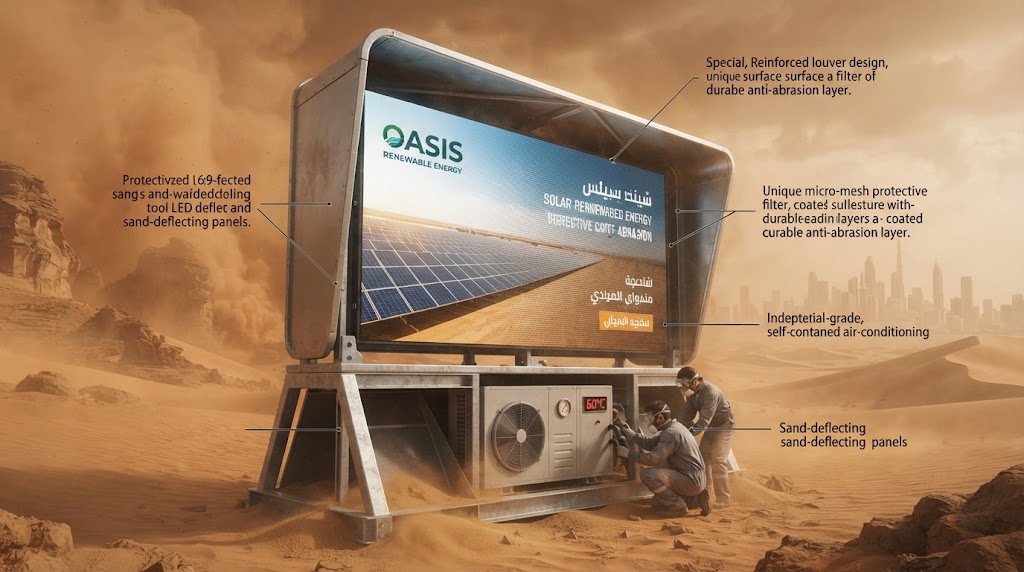
Yes, provided they carry an IP65 rating or higher. Outdoor-rated panels are designed with sealed components and waterproof connectors to withstand heavy precipitation and high humidity.
How much does an LED display for events cost?
Pricing varies based on pixel pitch and total area. Rental costs typically range from $500 to $1,500 per square meter, including processing and technical support. Purchase prices for high-end 1.2mm panels have stabilized in 2026 due to manufacturing efficiencies.