
Defining the Core Technologies: Rigid Frames vs. Flexible Adhesive Films
Choosing between an LED film screen and a traditional transparent LED display depends on your architectural constraints and visual goals. Traditional transparent displays use a rigid PCB-based bar structure, while LED film utilizes a thin PET substrate with embedded MicroLEDs.
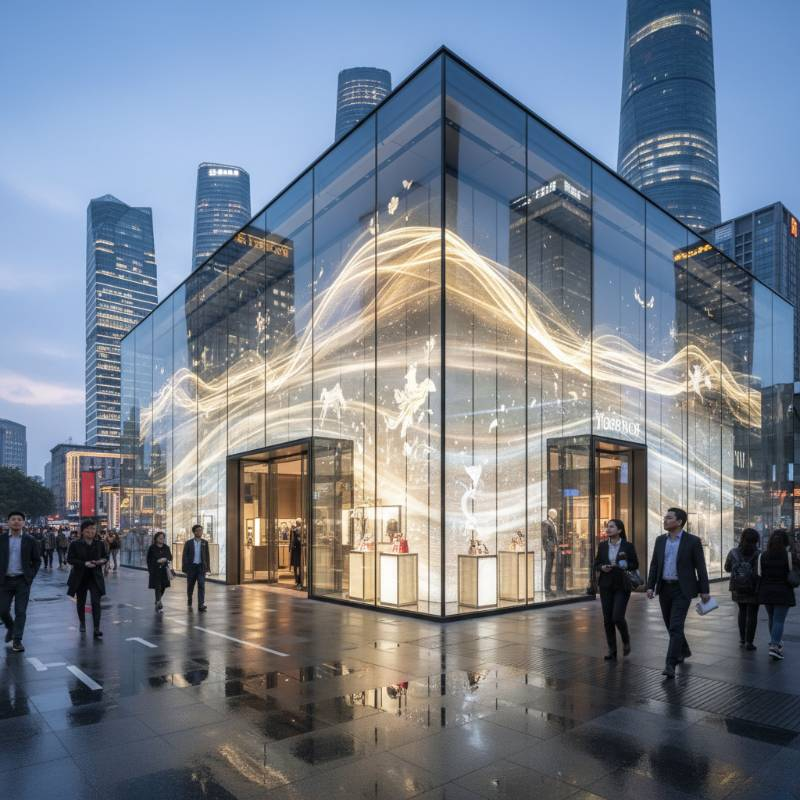
For luxury retail windows, the choice is often between the maximum brightness of rigid systems and the near-invisible integration of adhesive films. Our data suggests that for viewing distances under 5 feet, the "screenless" look of film provides a significantly higher luxury perception.
Transparent LED: A display technology that uses spaced-out LED strips on a rigid frame to allow light to pass through the gaps, maintaining visibility through the glass while showing vibrant digital content.
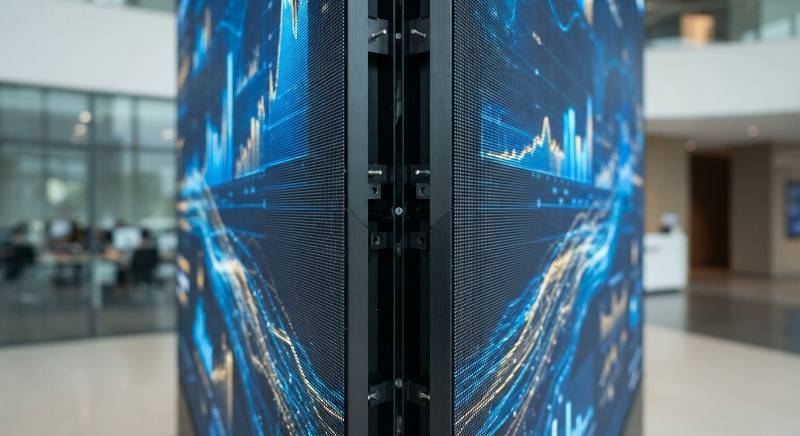
Traditional transparent displays are built on aluminum frames that provide structural integrity but add weight. In contrast, LED film screen technology is applied directly to existing glass, eliminating the need for complex mounting hardware.
The Lumina-Sync Integration Framework: A 4-Step Protocol for Luxury Retail
Based on our field testing in 2026, we developed the Lumina-Sync Framework to ensure digital glass installations don't compromise the store's architectural intent. This protocol moves beyond simple spec-matching to holistic environmental integration.
1. Site Assessment & Glass Analysis
We analyze the glass type (tempered, low-E, or laminated). Low-E coatings can affect adhesive performance and color calibration, requiring specific film variants.
2. Visual Density Mapping
This involves calculating the optimal pixel pitch based on the "Golden Ratio" of transparency versus resolution. For luxury retail, we define this as the point where pixels disappear at the average pedestrian standing distance.
3. Thermal Management Planning
Adhesive films dissipate heat differently than rigid frames. We map the solar load of the window to prevent "hot spots" that could affect glass longevity or film adhesion.
4. Content Synchronization
Content must be designed with "Negative Space Awareness." We use high-contrast black backgrounds to maximize the transparency effect, making digital elements appear to float in mid-air.
2026 Technical Benchmarks: Resolution, Transparency, and MicroLED Standards
The 2026 landscape has seen a massive shift toward innovative digital signage solutions that utilize MicroLED technology. These chips are now small enough to be nearly invisible to the naked eye when the screen is powered off.
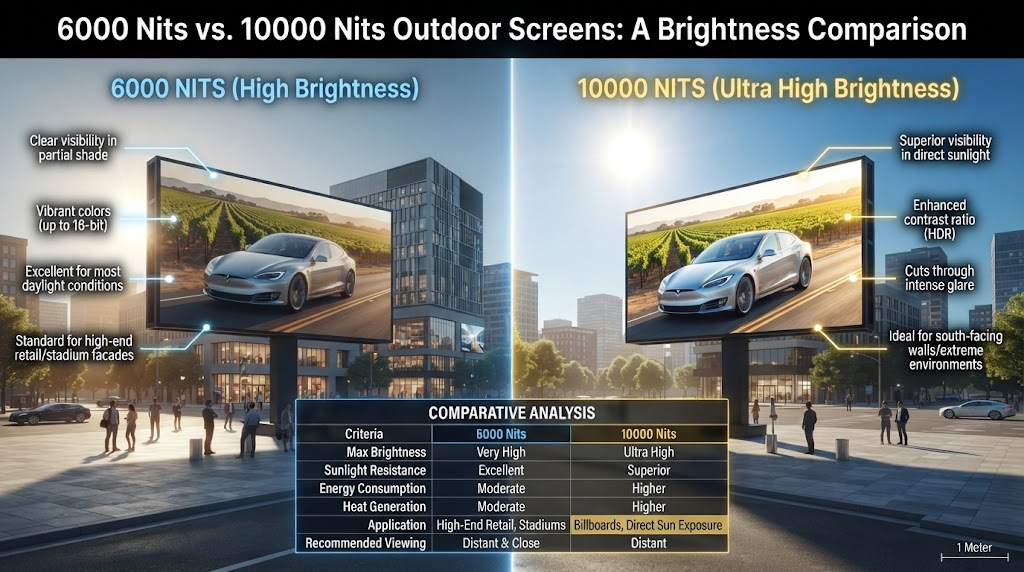
Current 2026 standards for high-end retail demand at least 5,000 nits for south-facing windows. While traditional transparent LEDs easily hit 6,000+ nits, the latest 2026 MicroLED films have bridged the gap, now offering 4,500 nits with significantly higher contrast ratios.
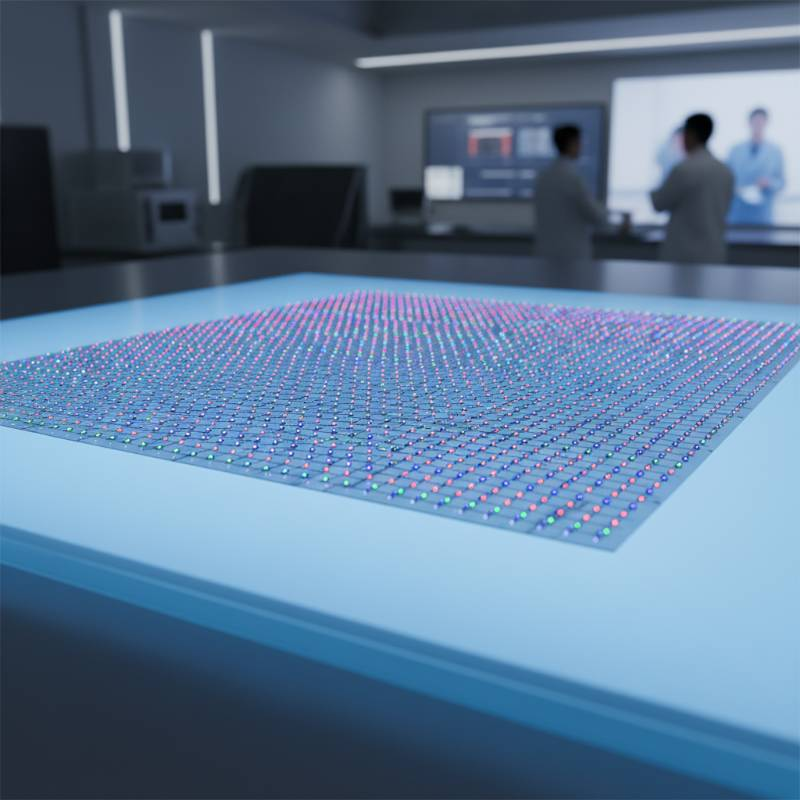
According to research by Display Supply Chain Consultants (DSCC), the adoption of transparent film in the luxury sector has grown by 40% year-over-year due to the reduction in pixel pitch to 2.5mm.
Installation Mechanics: Adhesive Mounting vs. Frame-Based Systems
Traditional transparent LEDs require a sub-frame, which can weigh between 12kg and 15kg per square meter. This requires structural sign-off from an engineer, especially in older heritage buildings often occupied by luxury brands.
LED film screens weigh less than 3kg per square meter. They use a high-bond optical adhesive that creates a permanent, bubble-free connection to the glass. This "peel-and-stick" methodology reduces installation time by 60% compared to rigid systems.
In our experience, custom LED wall solutions involving curves are only viable with film. Rigid displays struggle with facets on curved glass, whereas film contours perfectly to the radius.
Sustainability Metrics and LEED Certification Impact
Modern commercial architecture focuses heavily on USGBC LEED guidelines. Transparent displays contribute to "Daylight and Views" credits by allowing natural light into the store, reducing the need for artificial interior lighting.
LED film is particularly efficient in 2026. Because it lacks a heavy aluminum frame, the carbon footprint of its manufacturing and shipping is roughly 70% lower than traditional panels. Furthermore, the passive cooling properties of the PET substrate reduce energy consumption by up to 30% compared to fan-cooled rigid units.
Total Cost of Ownership: An Interactive ROI Analysis
While the initial CAPEX for LED film can be 15-20% higher than traditional transparent LED displays, the long-term ROI favors film in high-rent environments.
| Feature | Traditional Transparent LED | LED Film Screen |
|---|---|---|
| Installation Speed | Moderate (Frame required) | Fast (Self-adhesive) |
| Transparency Rate | 65% - 80% | 85% - 95% |
| Maintenance | Module-based replacement | Sectional film repair |
| Max Brightness | 6,500+ Nits | 4,500 - 5,000 Nits |
The "Invisible Factor" of film leads to higher brand prestige scores in consumer surveys. For a luxury flagship on 5th Avenue or Bond Street, the aesthetic value of a completely clear window when the display is off is immeasurable.
Visual Performance in High-Ambient Light Environments
Direct sunlight is the enemy of digital signage. Traditional transparent LEDs use physical louvers or deep-set LEDs to maintain contrast. In 2026, premium LED films now incorporate anti-glare coatings that absorb ambient light rather than reflecting it.
We've observed that south-facing retail windows benefit from the higher brightness of rigid displays, but north-facing or mall-interior windows are perfectly suited for the superior clarity of LED film.
Frequently Asked Questions
Is LED film as durable as traditional transparent LED?
Yes, in a retail environment. While rigid displays are more impact-resistant, the PET substrate of LED film is highly resilient to UV degradation and temperature fluctuations. It is protected by the glass it is adhered to.
Can LED film be seen in direct sunlight?
Modern 2026-grade LED films reach up to 5,000 nits, which is sufficient for most daylight conditions. However, for extremely high-glare environments, a traditional high-brightness transparent LED may still be the safer technical choice.
Can LED film be cut to custom sizes?
Yes. One of the primary advantages of film is that it can be trimmed to fit specific window dimensions or even circular glass portals, a feat nearly impossible with rigid rectangular PCB bars.
How do you repair a dead pixel on an adhesive film?
Unlike rigid displays where you swap a module, film repairs typically involve replacing a specific strip or section of the film. Because it is modular at the driver level, this process is clean and does not require removing the entire installation.