
P2.6 vs P3.9 Outdoor LED Displays for Festivals Guide
P2.6 vs P3.9 Outdoor LED Displays: Overview
P2.6 outdoor LED panels deliver 147,456 pixels/m² for crystal-clear visuals starting at 2.6 meters, making them the superior choice for near-field festival backdrops, DJ booth facades, and VIP zones. Outdoor P3.9 panels provide 65,536 pixels/m² with higher daylight brightness headroom (up to 5,500 nits) and superior thermal dissipation, making them the standard recommendation for main stage IMAG side screens and massive festival arrays viewed from 4 meters or further.
Selecting between these two pitches determines stage visual impact, total power distribution, generator overhead, and rigging weight limits on touring festival trusses.
Understanding Festival LED Pixel Pitch: Core Optical Principles
Pixel pitch defines the center-to-center distance between adjacent LED diodes measured in millimeters. In touring festival environments, choosing the correct pixel pitch prevents human eye pixelation and eliminates optical moiré during live multi-camera broadcasts.
"Pixel density scales inversely with the square of the pixel pitch. Moving from P3.9 to P2.6 increases pixel density by 125%, providing unprecedented detail for close-up viewing at the expense of higher driver IC density and increased thermal output."
Visual Acuity and Minimum Viewing Distance
Human visual acuity thresholds dictate that individual pixels become indistinguishable when the viewing distance meets the standard optical threshold: Minimum Distance (meters) ≈ Pixel Pitch (mm).
P2.6 Optimal Viewing: 2.6 meters to 30 meters (8.5 ft to 100 ft).
P3.9 Optimal Viewing: 3.9 meters to 60+ meters (12.8 ft to 200+ ft).
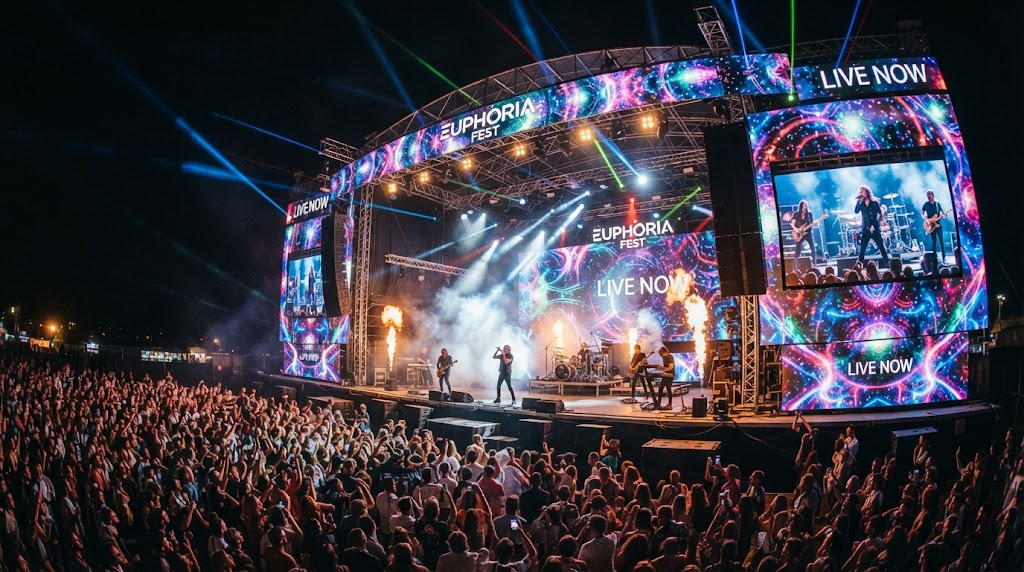
For music festivals where crowds stand behind crowd control barriers at least 4 to 6 meters from the stage edge, an Outdoor Commercial LED Displays setup running P3.9 provides a seamless image without perceptible pixel structure.
Technical Comparison Table: P2.6 vs P3.9 Outdoor Rental Panels
The following engineering data reflects production specifications for Guanhong Display touring-grade rental cabinets (500x500mm and 500x1000mm platforms).
| Parameter | Outdoor P2.6 Rental | Outdoor P3.9 Rental |
|---|---|---|
| Pixel Density | 147,456 dots/m² | 65,536 dots/m² |
| Standard Panel Size | 500 × 500 mm | 500 × 500 mm / 500 × 1000 mm |
| Cabinet Resolution (500x500) | 192 × 192 pixels | 128 × 128 pixels |
| Peak Daylight Brightness | 4,000 – 4,500 Nits | 4,500 – 5,500 Nits |
| Driver IC Refresh Rate | 3840Hz – 7680Hz | 3840Hz – 7680Hz |
| Grayscale Level | 14 – 16 Bit | 14 – 16 Bit |
| Max / Avg Power Consumption | 850W / 280W per m² | 650W / 210W per m² |
| Ingress Protection Rating | IP65 Front / IP54 Rear | IP65 Front / IP65 Rear |
| Cabinet Material | Die-cast Aluminum / Magnesium | Die-cast Aluminum |
Daylight Visibility, Nits, and Thermal Dissipation Performance
Outdoor summer music festivals run in harsh environmental conditions: direct ambient sunlight exceeding 80,000 lux and ambient temperatures above 35°C (95°F).
To overcome direct sun glare, displays require high-efficiency black SMD LED encapsulation capable of sustained nit outputs without thermal degradation. Referencing standards established by the International Commission on Illumination (CIE), daytime optical contrast ratios must stay above 10:1 under direct solar irradiation.
Thermal Dissipation and Driver IC Lifespan
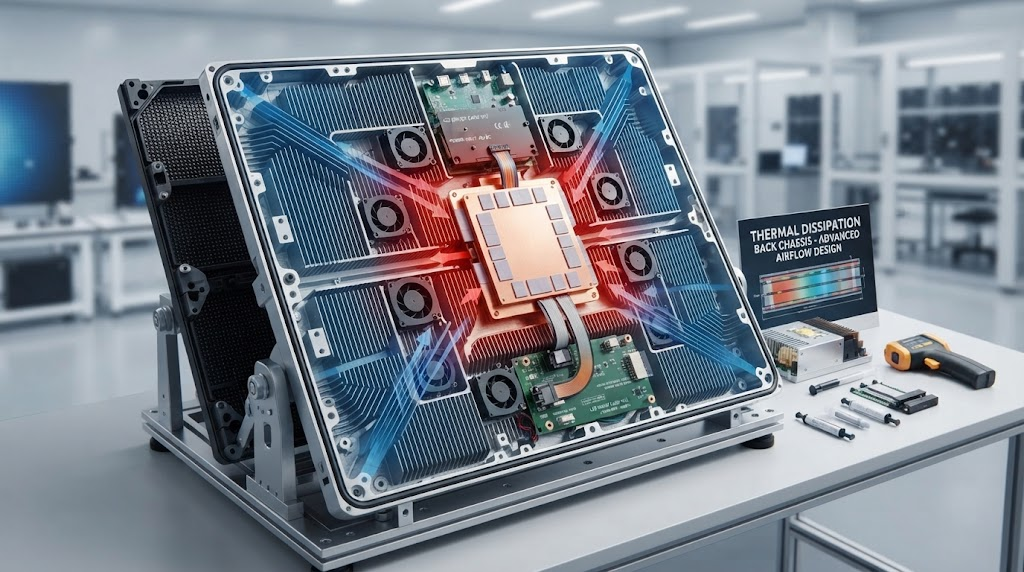
Because P2.6 contains 2.25 times more LED diodes and driver ICs than P3.9 within the same 500x500mm footprint, internal heat concentration is substantially higher. P3.9 cabinets run cooler, minimizing thermal drift and preventing localized color calibration shifting during 12-hour continuous festival operation.
Live Broadcast IMAG: Moiré Mitigation and Camera Refresh Rates
Main stage festival screens double as live video backdrops and IMAG (Image Magnification) side screens recorded by high-speed 4K broadcast cameras. Scan lines, flickering, and moiré effects can ruin live streams and festival aftermovies.
Scan Rates and Driver IC Selection
Standard displays running at 1920Hz exhibit horizontal banding when recorded by high-shutter broadcast cameras. Touring setups require high-end PWM driver ICs operating at a minimum of 3840Hz, while 7680Hz is preferred for multi-angle broadcast setups calibrated according to SMPTE broadcast standards.
"In our field stress tests with major concert touring rigs, outdoor P2.6 combined with GOB (Glue-on-Board) surface coating reduced camera moiré by over 40% compared to standard SMD surface configurations, while P3.9 maintained superior high-luma legibility from long-distance drone shots."
— Senior Optical Engineer, Guanhong Display
The Guanhong 4-D Stage Matrix: Festival Selection Protocol
To eliminate guesswork during festival production planning, we established The Guanhong 4-D Stage Matrix. This four-point protocol aligns stage layout with screen hardware parameters.
1. Distance (Audience Proximity): If front-row festival attendees or VIP platforms sit less than 3.5 meters from the display, choose P2.6. If audience barriers start at 4 meters or beyond, deploy P3.9.
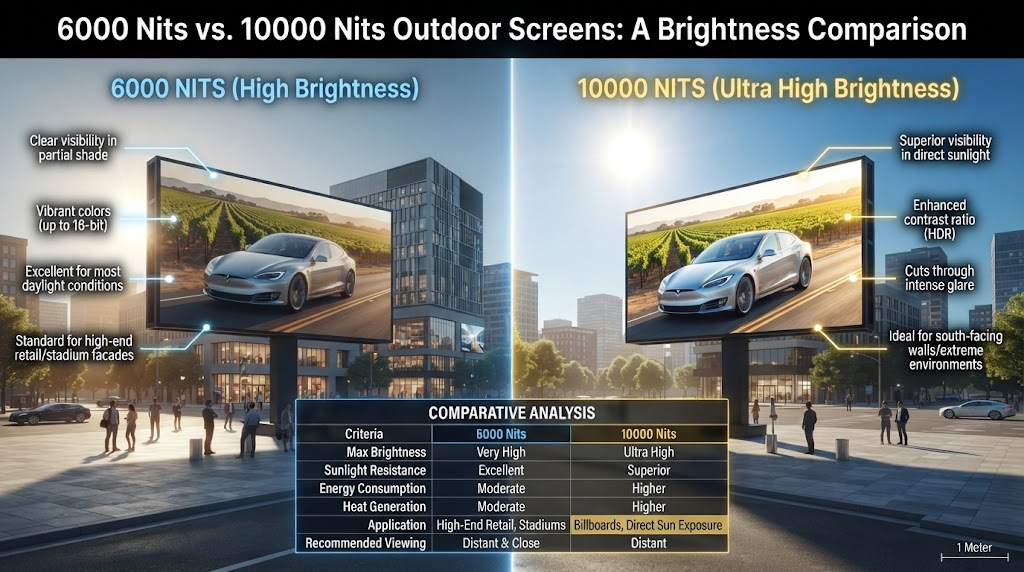
2. Daylight (Direct Exposure): For unshaded main stages facing direct southern solar paths, deploy high-brightness (5,000+ nits) P3.9 to ensure maximum visual contrast without overdriving power supplies.
3. Dynamics (Content Complexity): Complex generative motion graphics, fine typography, and high-framerate visuals perform best on P2.6 due to 147,456 dots/m² native resolution.
4. Dispatch Weight (Truss Limits): Large flying arrays (exceeding 100m²) on outdoor temporary ground-support structures benefit from 500x1000mm P3.9 panels, which reduce total cabinet seam hardware weight by up to 15%.
Rigging, Wind Loading, and Physical Tour Durability
Festival production crews face intense load-in timelines, severe wind shear, and sudden storms. Staging cabinets must combine rapid assembly mechanisms with high structural rigidity.
Die-Cast Aluminum Frames & Curving Systems
Both our P2.6 and P3.9 touring series use high-precision CNC die-cast aluminum frames with integrated fast-locking handles. For wrap-around amphitheater stages or circular DJ structures, Touring Curve Lock LED Cabinets allow seamless -10° to +10° angle adjustments per panel.
IP65 Waterproofing and Compliance Checklist
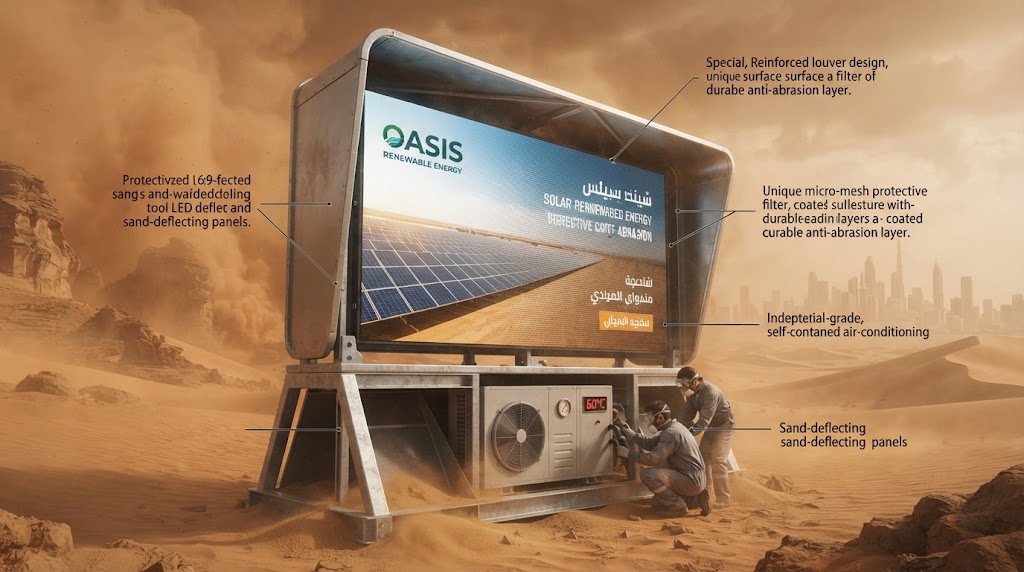
True outdoor festival displays require complete front-and-rear IP65 sealing to withstand sudden torrential rain and pressure washing between tour dates.
IP65 Ingress Protection: Fully sealed silicone gaskets on module covers and independent power boxes.
EMC Class-B Compliance: Prevents electromagnetic interference with wireless stage audio systems and DMX lighting links.
Safety Certifications: Full CE, RoHS, and UL94-V0 flame retardant standard testing.
ROI Analysis: Purchasing vs Renting for AV Production
For AV staging and rental companies, cross-rental demand and turnaround speed determine fleet profitability.
Inventory Utilization vs Specialized High-Res Demand
P3.9 Utility Factor: The high-volume industry standard. It achieves roughly 75-85% seasonal inventory utilization across standard festivals, corporate conferences, and outdoor sporting events.
P2.6 Premium Factor: Commands 25-40% higher rental rates per square meter for high-end electronic music festivals, luxury brand activations, and studio broadcast production.
Investing in an Outdoor Rental LED Screen Series with cross-compatible power supplies and receiving cards maximizes long-term hardware ROI across multiple tour seasons.
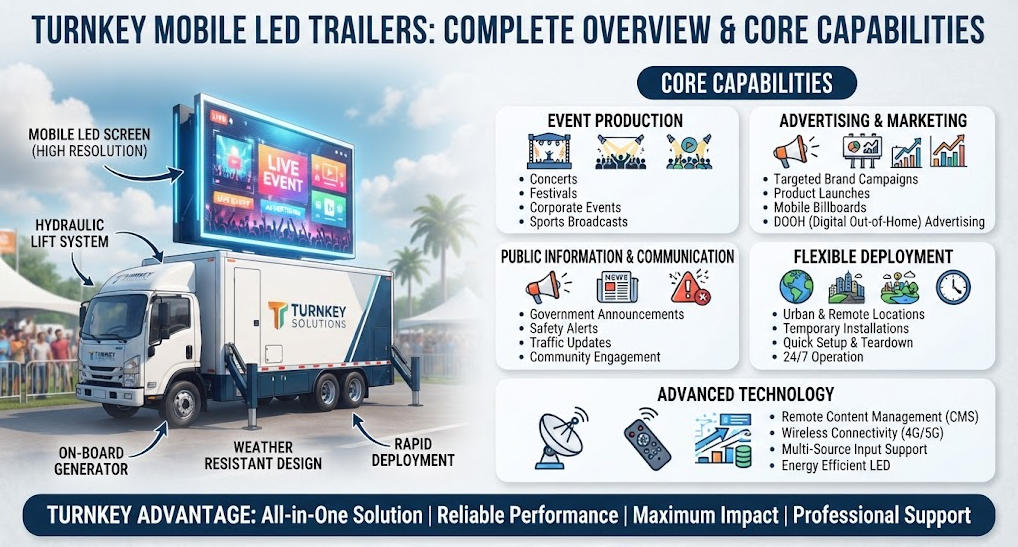
Guanhong Display Turnkey Festival Rental Solutions
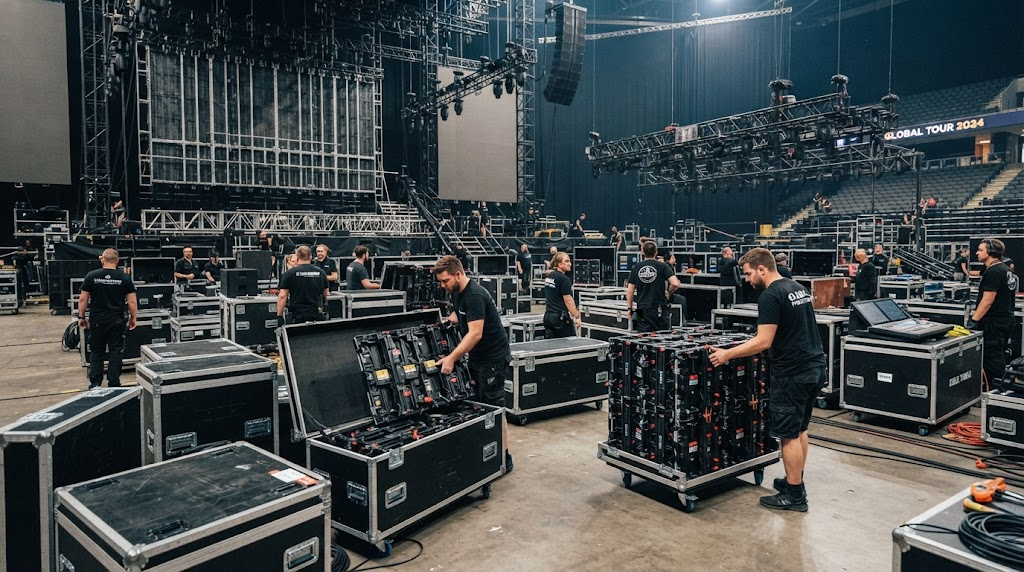
Guanhong Display manufactures professional touring LED screens engineered for demanding festival conditions. Every cabinet includes integrated corner protections, magnetic front/rear module servicing, and dual backup power/signal channels.
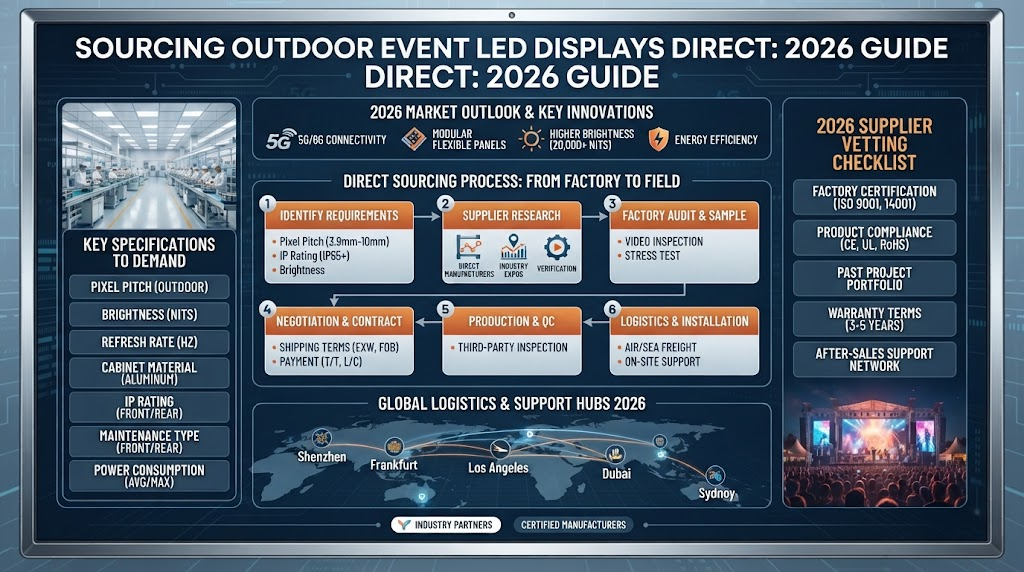
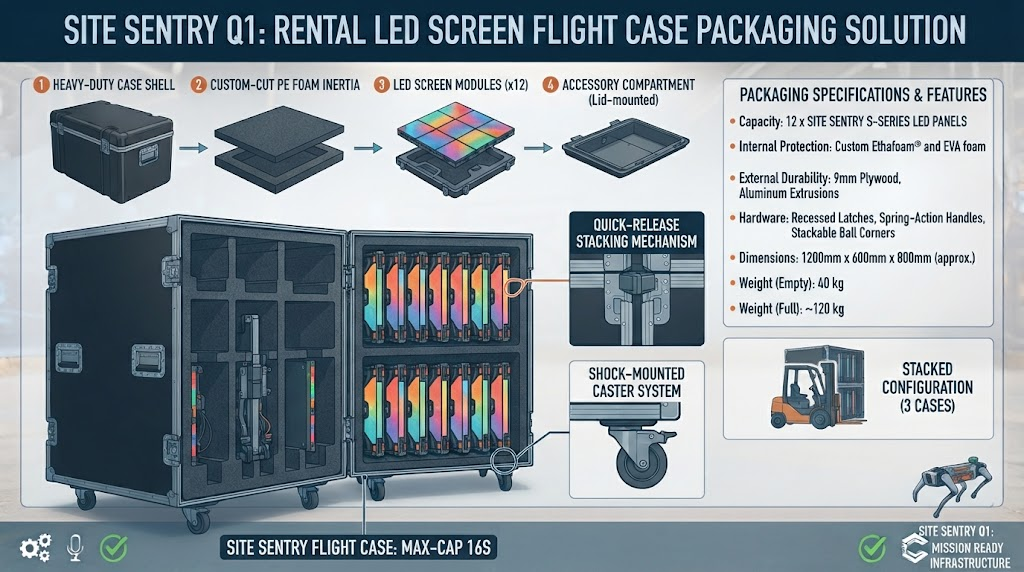
We provide full system integration, pairing our screens with market-leading video processors and controllers from NovaStar and Colorlight for rock-solid 4K HDR live signal delivery. Our direct factory engineering team offers custom truss design verification, flight case packaging, and on-site deployment consultation worldwide.
Frequently Asked Questions (FAQs)
Can outdoor P2.6 LED screens handle direct rain during a live show?
Yes. Outdoor-rated P2.6 panels manufactured by Guanhong Display feature an IP65 waterproof rating on both front and rear surfaces, sealed module gaskets, and conformal-coated PCBs to operate reliably in torrential rain.
Why is P3.9 more commonly used for large festival main stages?
Festival crowds typically view main stages from 10 to 100+ meters away. At these distances, human eyes cannot differentiate between P2.6 and P3.9. Choosing P3.9 offers higher brightness headroom, lower power demand, and better overall staging economics.
What refresh rate is required to avoid camera scan lines on festival LED walls?
A minimum refresh rate of 3840Hz is necessary for standard HD camera capture. For 4K broadcast cameras with high-speed shutter settings, 7680Hz driver ICs are strongly recommended to prevent moiré and horizontal line artifacts.
Can I mix 500x500mm and 500x1000mm cabinets in the same wall?
Yes. Guanhong Display touring series cabinets feature unified locking hardware and identical module pin mappings, allowing seamless interlocks between 500x500mm and 500x1000mm frames to speed up rigging.