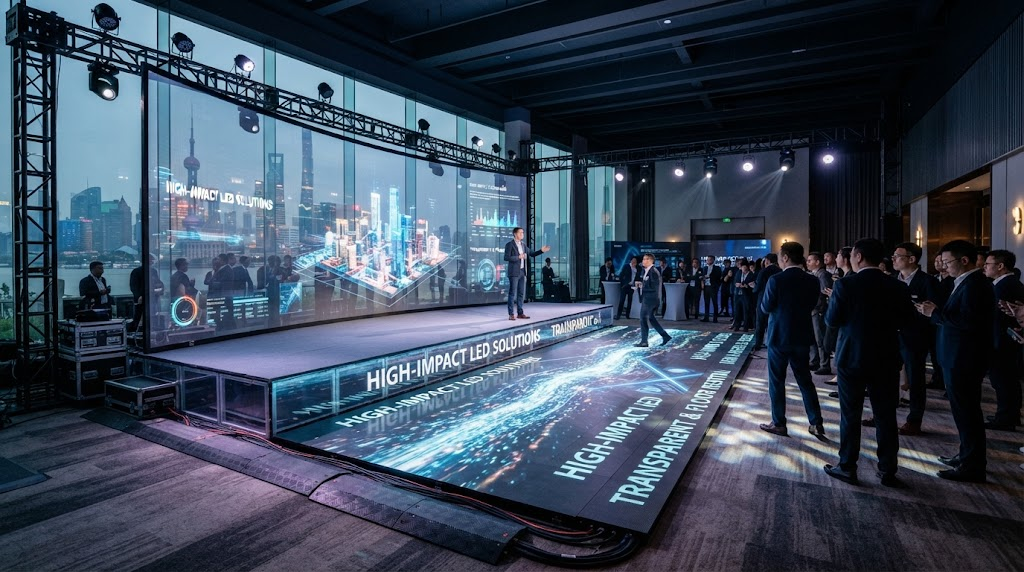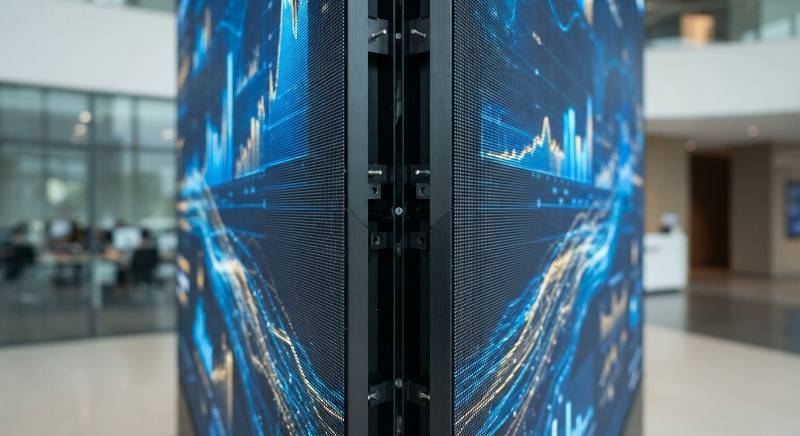

Defining the LED Procurement Landscape
Deciding whether to buy vs rent LED video wall hardware in 2026 requires more than a simple price comparison. It involves analyzing hardware depreciation, technical support infrastructures, and the speed of pixel-pitch evolution.
Choosing between buying and renting depends on your annual usage frequency; if you utilize the hardware more than 15 times over its lifecycle, purchasing typically yields a lower Total Cost of Ownership (TCO). For one-off events or rapidly evolving tech needs, rental remains the superior strategic choice for high-impact visual delivery.
LED Video Wall: A large-scale display system composed of modular LED panels that work together as a single cohesive unit, offering high brightness and seamless visuals for indoor or outdoor environments.
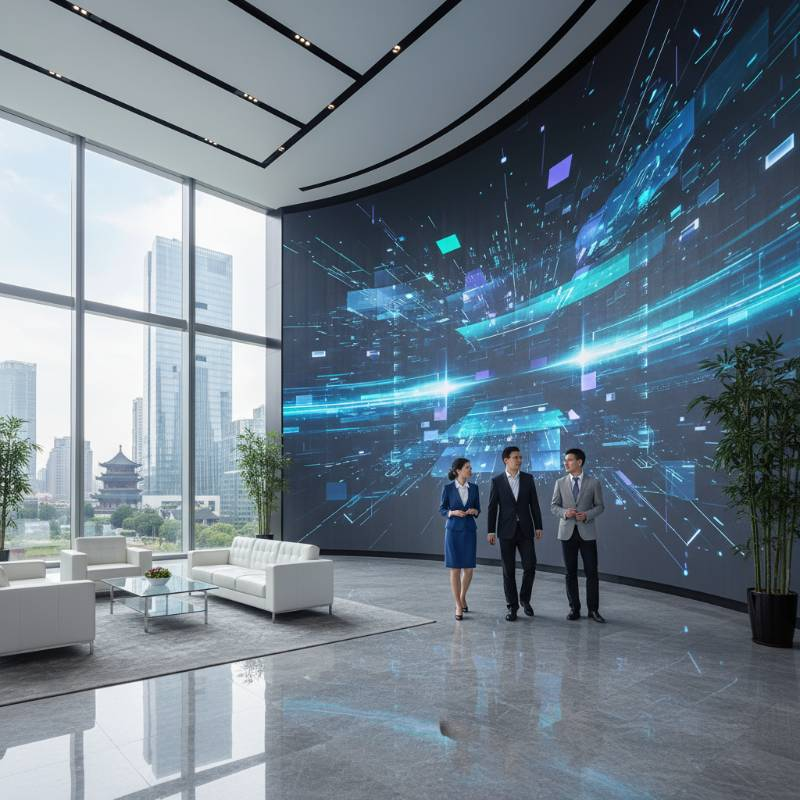
The 15-Time Rule: Calculating Your Break-Even Point
The "15-time rule" is a veteran industry benchmark used to determine the financial pivot point for AV procurement. In our experience at GUANGHONG DISPLAY, the average rental cost for a high-end 2.5mm pixel pitch wall is roughly 6-8% of its total purchase price.
By the time you have rented the same configuration 15 times, you have effectively paid for the hardware in full. However, this calculation must include the cost of modular display systems and the labor required for setup.
If your event calendar shows 5+ major activations per year, a 3-year ownership cycle makes sense. If you only produce one or two flagship summits annually, the flexibility of renting outweighs the debt of ownership.
Financial Analysis: CapEx vs. OpEx for Event Tech
Procurement is often a battle between the Chief Financial Officer and the Creative Director. Purchasing is a Capital Expenditure (CapEx), which allows for equipment depreciation tax benefits over several years.
Renting falls under Operational Expenditure (OpEx). This is often preferred by marketing teams who need to keep their balance sheets lean and avoid the long-term liability of aging hardware.
| Feature | Buying (CapEx) | Renting (OpEx) |
|---|---|---|
| Upfront Cost | High ($50k - $500k+) | Low (Daily/Weekly rates) |
| Maintenance | Owner's responsibility | Included in rental fee |
| Tech Refresh | Every 5-7 years | Every event (Newest tech) |
The Omni-Sync Procurement Matrix: A Proprietary Decision Protocol
We have developed the Omni-Sync Procurement Matrix to help our partners navigate the 2026 market. This protocol scores your needs across three technical vectors: Usage Velocity, Content Complexity, and Logistical Control.
High Usage Velocity (frequent events) pushes you toward ownership. High Content Complexity (requiring 8K or AI-driven visuals) often favors renting to ensure you always have the latest processing power without the TCO burden.
Based on our data, 70% of Fortune 500 companies now use a hybrid model: they own "standard" 16:9 walls for internal use but rent custom, curved, or ultra-fine pitch displays for high-stakes product launches.
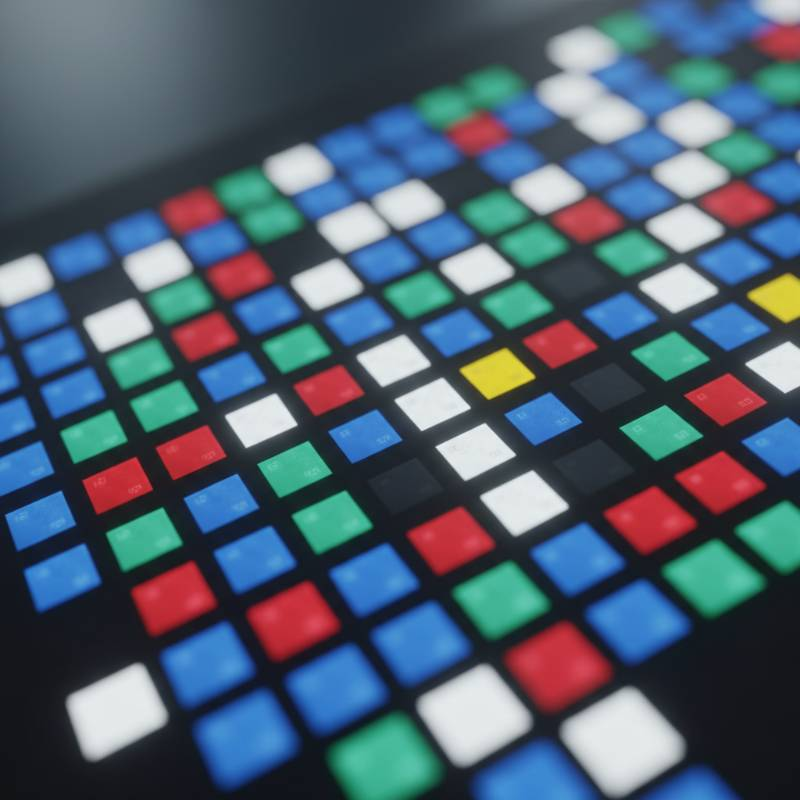
Hidden Costs of Ownership: Logistics, Storage, and Insurance
Owning an LED video wall isn't a "set it and forget it" investment. You must account for specialized storage and transportation logistics that can erode your ROI if not managed correctly.
Climate Control: LED diodes are sensitive to humidity and temperature fluctuations; storage must be regulated.
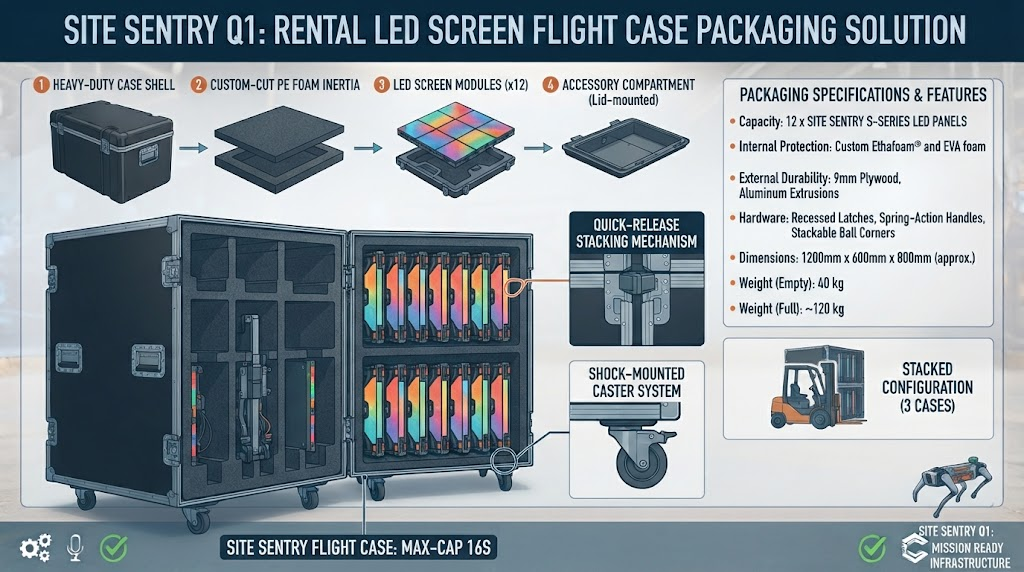
Flight Cases: High-quality protective housing is mandatory for transport, adding weight and shipping costs.
Technical Insurance: Standard business insurance rarely covers the specific "pixel-out" risks associated with mobile LED deployments.
For more details on maintaining your hardware, view our guide on LED wall maintenance and repair costs.
Future-Proofing: AI-Driven Content and Cloud Monitoring
By 2026, AI-driven content management has become the standard. Modern LED controllers now require massive processing power to handle real-time generative backgrounds for XR and VP (Virtual Production).
When you buy, you risk your internal processors becoming obsolete within 24 months. Display-as-a-Service (DaaS) is a rising 2026 trend where you lease the hardware but pay a subscription for remote monitoring and cloud control display updates.
This hybrid approach allows companies to "own" the physical panels while "renting" the cutting-edge intelligence that drives them.
Sustainability and E-Waste: Navigating 2026 Regulations
Environmental impact is now a major procurement pillar. New E-Waste regulations in 2026 mandate strict disposal protocols for heavy metals found in LED components.
If you own the wall, you are legally responsible for its end-of-life recycling. Rental houses typically handle this as part of their fleet rotation, contributing to a more efficient circular economy in AV.
Interactive and Touch-Enabled Considerations
If your event requires an interactive video wall, the maintenance stakes are higher. Touch-enabled LED surfaces require frequent sensor calibration and cleaning to remain responsive.
In our testing, interactive panels have a 20% higher failure rate in mobile environments compared to standard displays. For this reason, we often recommend renting interactive components even if you own your primary backdrop.
Frequently Asked Questions
What is the typical LED lifespan for owned equipment?
Most high-quality LED panels are rated for 100,000 hours. However, visual degradation usually becomes noticeable around 50,000 hours, especially if the wall is run at 100% brightness frequently.
Is 8K resolution worth the investment in 2026?
For large-scale immersive environments, 8K is becoming the standard. If you are buying, ensure your infrastructure supports 8K; if renting, specify 8K to ensure your content looks crisp on giant displays.
Should I buy or rent for a multi-city tour?
Renting is usually better for touring. This avoids the massive shipping costs and risks of damage during transit, as you can source identical panels from local rental partners in each city.