
Professional AV integrators face a recurring nightmare: the "black pixel" syndrome. In high-traffic environments or complex architectural installs, a single accidental bump can sideline a million-dollar display. While Surface Mounted Device (SMD) technology has dominated the market for a decade, its physical fragility is its Achilles' heel. Enter Glue on Board (GOB) technology—the structural evolution required for the next generation of visual experiences.
Technical Foundations: The Evolution from SMD to GOB
To understand the shift, we must first define the core mechanics. SMD technology involves soldering individual LED lamps onto a PCB. It is efficient, cost-effective, and offers excellent color reproduction. However, the lamps remain "naked" to the world.
Definition: Glue on Board (GOB) is a manufacturing process where the entire surface of an SMD LED module is encapsulated with a transparent, high-strength epoxy resin. This creates a physical barrier against water, dust, and mechanical impact.
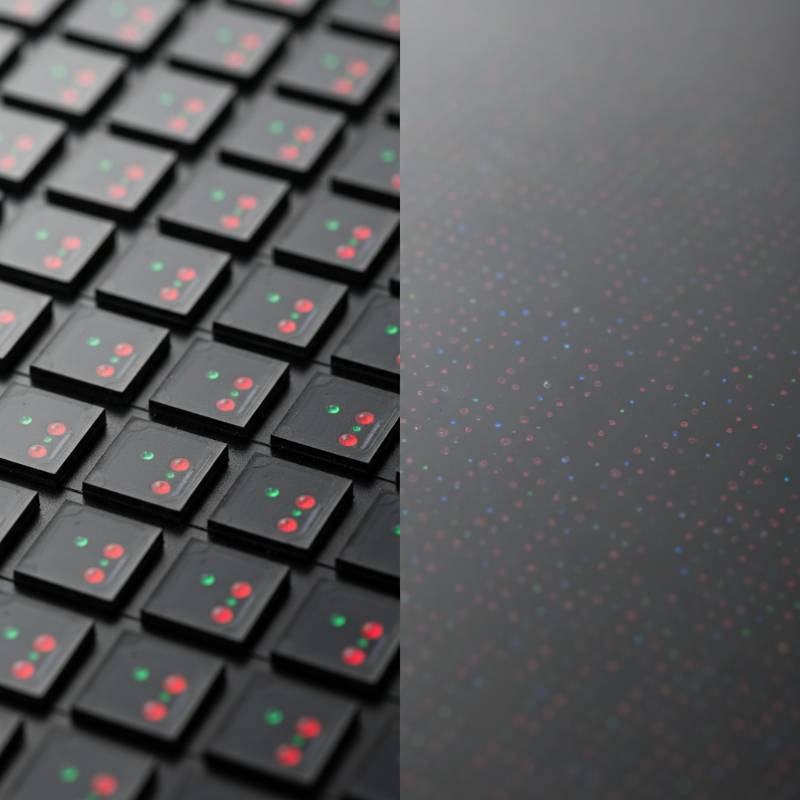
At GUANGHONG DISPLAY we categorize GOB not as a replacement for SMD, but as a critical reinforcement. While standard SMD is ideal for controlled environments like indoor LED screen setups with no public access, GOB is the prerequisite for any deployment where "touch" is a factor.
The Pixel-Shield Integrity Protocol (PSIP): A Proprietary Framework
We have codified our quality standards into The Pixel-Shield Integrity Protocol (PSIP). This framework moves beyond simple spec sheets to measure how a display survives "The Real World."
PSIP focuses on three critical vectors:
Impact Attenuation: Measuring the joules of force a pixel can withstand before solder failure.
Surface Uniformity: Ensuring the epoxy layer maintains a <0.01mm variance across the LED video wall surface.
Thermal Dissipation Efficiency: Calculating the heat transfer through the resin to prevent diode degradation.
According to our analysis, GOB modules following the PSIP standards show a 95% reduction in "on-site repair" calls during the first 24 months of operation compared to standard SMD modules in high-traffic retail zones.
Engineering for Curves: Structural Integrity in Flexible LED Walls
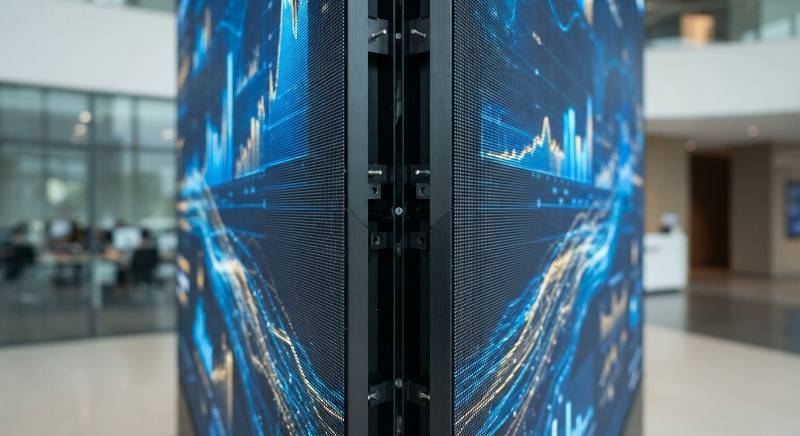
The "safety umbrella" analogy is most relevant when discussing a flexible LED screen. When you bend a standard SMD module to create a curve, you introduce mechanical stress. The PCB flexes, but the rigid solder joints do not. This often leads to "pixel popping," where the edge pixels literally snap off the board.
GOB technology solves this by acting as a structural adhesive. The epoxy resin bonds the LED lamps to the PCB more securely than solder alone. In a concave or convex configuration, the glue layer absorbs the tension, distributing the load across the entire module rather than concentrating it on individual pins. This is the Golden Rule of Curvature: Structural resilience is the prerequisite for visual excellence.
2026 Innovation: AI-Driven Calibration and Protective Layers
As we move through 2026, the primary challenge of GOB—refractive index shifts—has been neutralized. Historically, the glue layer could cause slight color shifts or "ghosting" when viewed from extreme angles. Modern AI-driven calibration software now maps the specific optical properties of the epoxy layer during the factory burn-in process.
These algorithms adjust the output of each sub-pixel to compensate for the light's path through the protective medium. The result is a display that is as vibrant as a high-end outdoor LED wall but with the polished, matte, or gloss finish required for luxury indoor aesthetics. Research from AVIXA suggests that 2026 will see a 40% uptick in GOB adoption for corporate lobbies specifically due to these calibration breakthroughs.
Sustainability and Environmental Protection Metrics
Durability is the ultimate form of sustainability. A display that lasts 100,000 hours without needing component replacements has a significantly lower carbon footprint than one requiring frequent module swaps. GOB technology enhances the IP (Ingress Protection) rating of indoor displays, often reaching IP65 on the front face.
| Feature | Standard SMD | GOB Technology |
|---|---|---|
| Impact Resistance | Low (Exposed lamps) | High (Anti-collision layer) |
| Moisture Protection | Minimal (Vulnerable to humidity) | IP65 Front-side rated |
| Repair Complexity | High (Solder rework) | Moderate (Requires specialized tools) |
| Curved Performance | Prone to pixel failure | Optimal structural bond |
Total Cost of Ownership (TCO) and ROI Analysis
The initial LED display cost for GOB is typically 15% to 25% higher than standard SMD. However, looking at the TCO over a 5-year period tells a different story. In a public transit hub or a busy flagship store, the cost of "Dead Pixel" maintenance—including labor, lift rentals, and replacement modules—can exceed the original purchase price within three years.
By investing in GOB, you are essentially purchasing an insurance policy for your pixels. At GUANGHONG DISPLAY, we recommend GOB for any project where the screen is within 8 feet of the general public. The "safety umbrella" doesn't just protect the LEDs; it protects your brand's image from the visual decay of broken pixels.Frequently Asked Questions
Can GOB LED modules be repaired?
Yes, though the process differs from SMD. While standard SMD requires desoldering a lamp, GOB requires removing a small section of the resin, replacing the diode, and "patching" the glue. It is more time-consuming but happens far less frequently due to the enhanced protection.
Does the glue layer cause the screen to overheat?
Modern GOB resins are engineered with high thermal conductivity. While they do trap some heat, the large surface area of the resin actually helps dissipate heat away from the PCB more evenly than air-gapped SMD modules, provided the ventilation system is properly engineered.
Is there a visible difference in clarity?
To the untrained eye, no. In 2026, the transparency levels of high-grade GOB resins exceed 99%. In fact, GOB can often improve contrast ratios by reducing internal light reflections between the LEDs.