
What is a P6 Outdoor LED Display Screen?
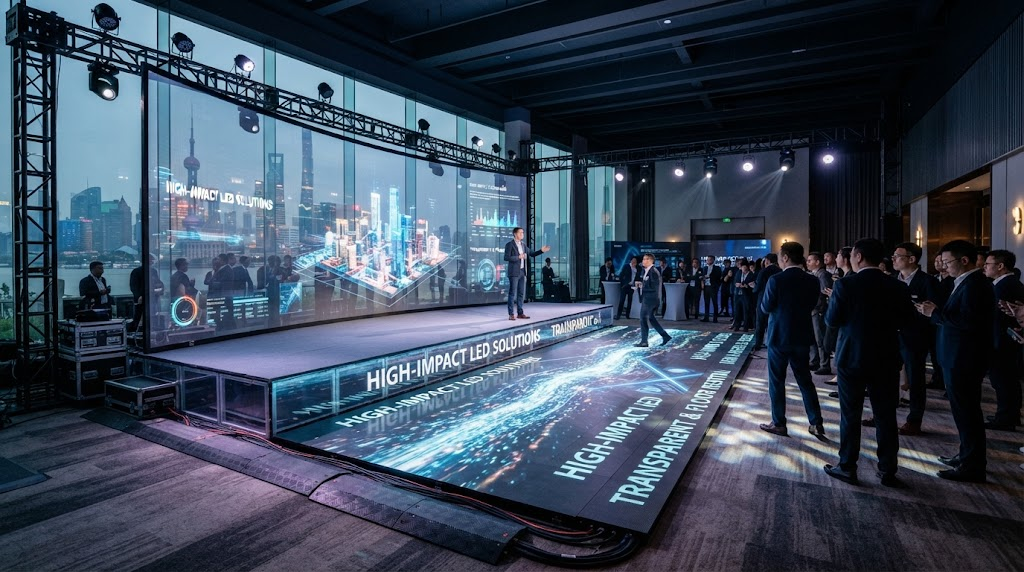
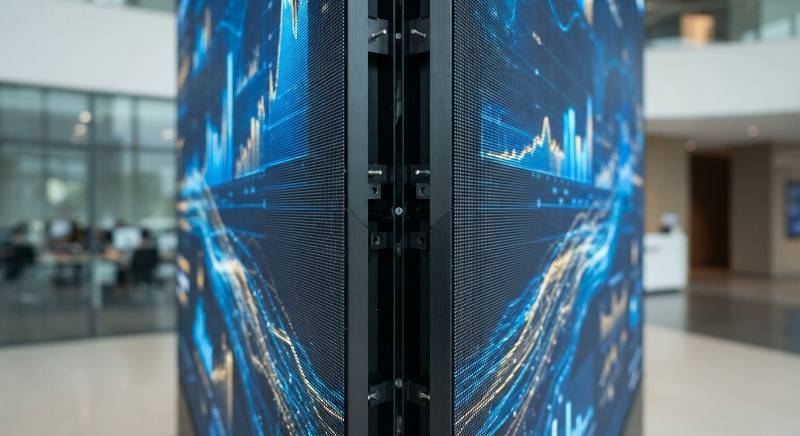
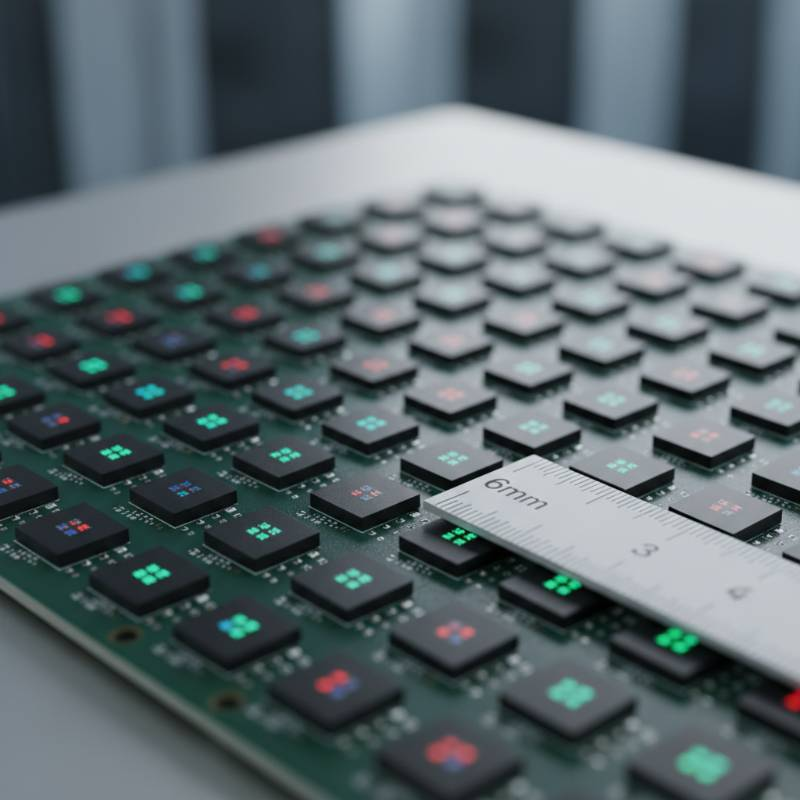
A P6 outdoor LED display screen is the workhorse of the modern digital advertising world. The "P6" designation refers to a 6mm pixel pitch—the distance from the center of one pixel to the center of the next. This specific spacing determines how "sharp" your content looks to the passing crowd.
Pixel Pitch Definition: The distance (in millimeters) between the centers of two adjacent pixels. In LED wall technology, a smaller pitch generally allows for higher resolution and closer viewing distances.
Why does a P6 screen "look different" than its predecessors? It hits the sweet spot. It provides enough detail for complex graphics while maintaining the ruggedness required for 24/7 sun exposure. At GUANHONG, we've observed that P6 has become the go-to choice for shopping malls, sports perimeter boards, and transit hubs where viewers are 20 to 100 feet away.
Technical Specifications: Performance Beyond the Surface
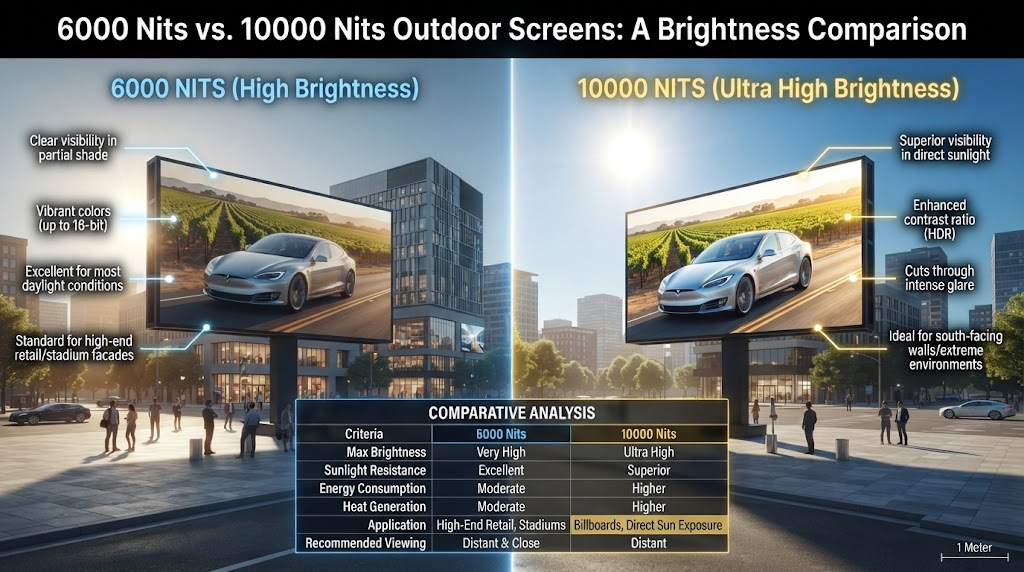
Specs aren't just numbers; they are the survival kit for your hardware. A high-quality P6 outdoor LED display screen must fight against direct sunlight and torrential rain. If the brightness is too low, your investment disappears at noon. If the refresh rate lags, your video looks like a 1990s webcam.
| Feature | Requirement |
|---|---|
| Brightness | ≥ 6500 nits |
| Refresh Rate | 3840Hz (High Refresh) |
| Protection Level | IP65 Front / IP54 Rear |
| Cabinet Material | Die-cast aluminum or iron |
According to the International Electrotechnical Commission (IEC) standards, an IP65 rating ensures your screen is dust-tight and protected against water jets. This is the bare minimum for any serious outdoor digital signage project.
The Opti-View Distance Calculator for P6 Screens
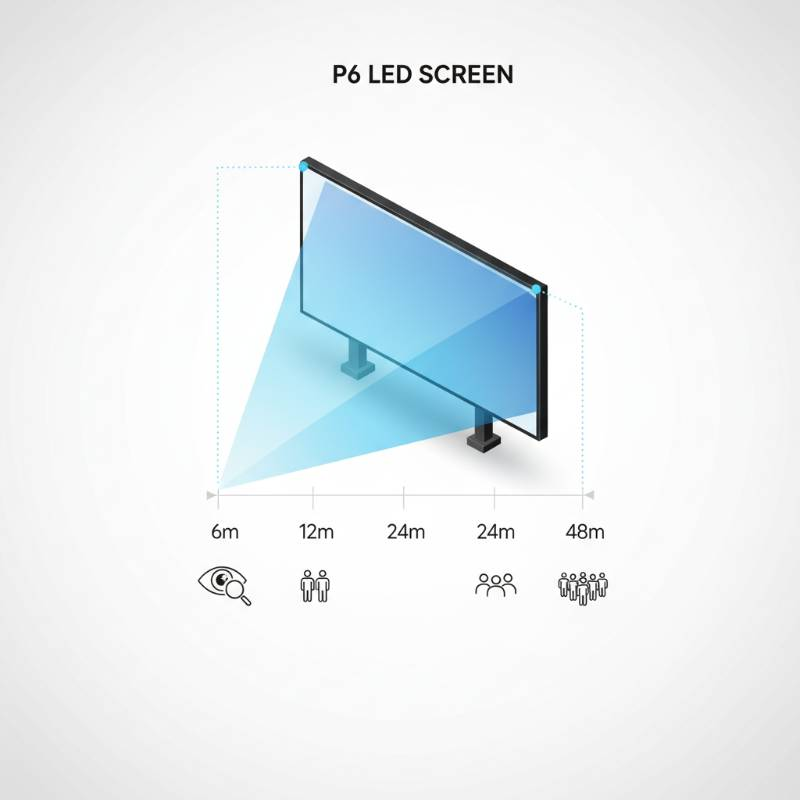
We define the "Opti-View Distance" as the point where the human eye no longer perceives individual pixels, but a seamless image. This isn't guesswork; it's physics. For a P6 screen, the math is straightforward but vital for ROI.
The 1-Meter Rule
A Golden Rule in the industry is that the minimum viewing distance (in meters) is roughly equal to the pixel pitch (in millimeters). Therefore, a P6 screen begins to look crisp at 6 meters (approx. 20 feet). If your audience is closer than that, you might need a P4 or P3. If they are across a highway, P6 is perfect.
The 'Eco-Sync' Proprietary Energy Management Protocol
At LEDWall Screen, we developed the Eco-Sync Protocol. This isn't a single feature; it's a methodology that synchronizes hardware power delivery with content brightness in real-time. Most screens burn power at a flat rate. Eco-Sync analyzes the "white space" in your video and drops voltage instantly to the modules that don't need it.
This approach addresses the two biggest killers of LED longevity: heat and power surges. By managing the thermal load dynamically, we extend the lifespan of the SMD (Surface Mounted Device) LEDs by up to 15,000 hours compared to standard configurations.
Sustainability and Common Cathode Technology
Traditional screens use "Common Anode" design, which wastes energy as heat. Common Cathode LED technology is the future of sustainable signage. It separates the power supply for Red, Green, and Blue chips. Since Red LEDs require less voltage, we don't force-feed them the same power as Blue and Green. This precision reduces heat dissipation significantly.
Less heat means you don't need noisy, power-hungry external cooling fans. It makes the screen thinner, lighter, and much cheaper to run over a five-year lifecycle. When people ask why our P6 outdoor LED display screen looks different—crisper and cooler—this is the hidden reason.
P6 vs. P8 and GOB Technology: Making the Right Choice
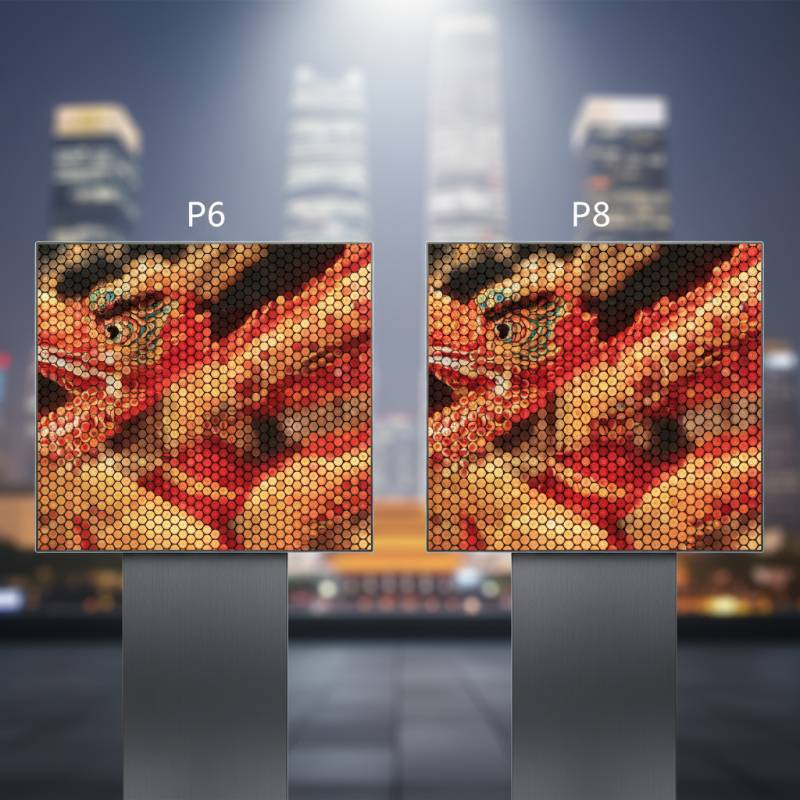
Choosing between P6 and P8 depends on your budget and your "canvas" size. A P8 screen is cheaper but requires more distance to look "smooth." If you are building a massive stadium screen, P8 is fine. For a storefront or a medium-sized billboard, P6 wins every time.
The GOB Advantage
GOB (Glue on Board) technology is an optional upgrade for P6 screens. It involves coating the entire module surface with a transparent epoxy. This provides an extra layer of protection against impact, moisture, and dust. If your screen is at ground level where people might touch it (or throw things at it), GOB is a necessity.
Installation and Maintenance: Front vs. Rear Service
Don't buy a screen without an installation plan. If you are mounting your front service LED display directly against a wall, you cannot use rear maintenance. You need modules that pop out from the front using a vacuum tool or a specialized wrench.
Rear maintenance is typically used for standalone billboards where there is a walkway behind the screen. It's often slightly cheaper, but the labor costs of building a maintenance platform can quickly eat those savings. Choose wisely during the design phase.
Global Case Studies: Performance in Diverse Climates
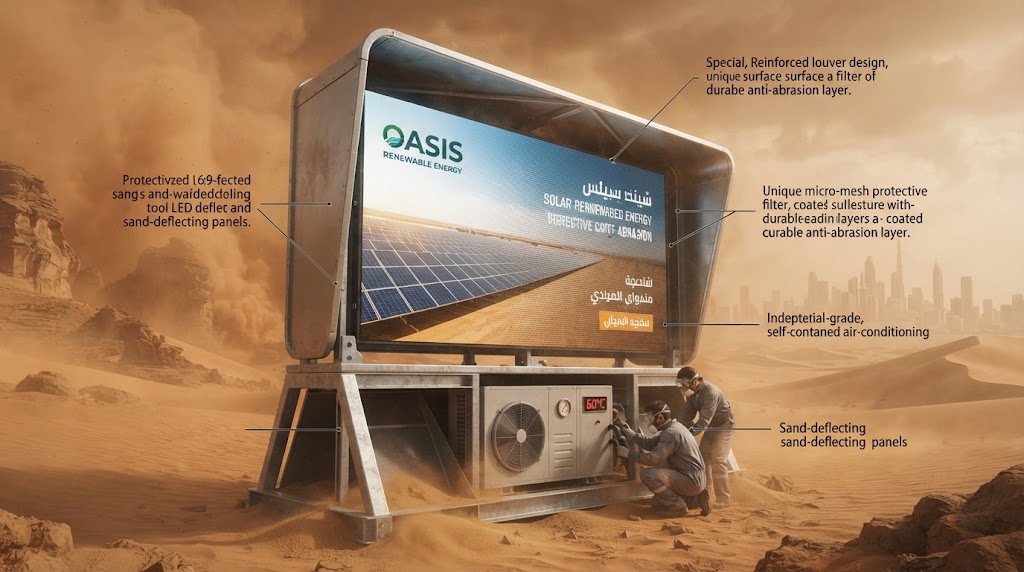
Our analysis of P6 deployments shows that coastal regions are the hardest on electronics. Salt air corrodes standard iron cabinets in months. For these environments, we mandate die-cast aluminum cabinets with anti-corrosive coatings. In high-heat desert areas, the focus shifts to the thermal management of the power supply units (PSUs).
Data from engineering research on LED degradation suggests that for every 10°C increase in operating temperature, the lifespan of an LED can be halved. This highlights why our Eco-Sync and Common Cathode approaches aren't just "nice to have"—they are insurance for your capital expenditure.
Frequently Asked Questions About P6 Outdoor LED Screens
What is the typical lifespan of a P6 outdoor LED display?
Most high-quality P6 screens are rated for 100,000 hours of use. In real-world terms, that is about 10-11 years of 24/7 operation, though brightness usually dims slightly after the first 50,000 hours.
Can P6 screens be seen in direct sunlight?
Yes. As long as the screen has a brightness rating of at least 5500-6500 nits, it will remain vivid even in the harsh midday sun. Anything lower will look washed out.
Is P6 better than P10 for outdoor use?
P6 offers much higher resolution than P10. While P10 is cheaper, the image looks "blocky" unless the viewer is very far away. P6 is the modern standard for quality advertising.
Ready to Transform Your Space?
Stop guessing specs and start seeing results. Get a custom quote for a high-performance P6 outdoor LED display screen tailored to your climate and audience.
Consult an Expert Now